
U.S. Border Agents Deny Canadian Entry: „You Are Now Marked”
Why a New Passport May Not Erase a Prior U. S. Refusal
Canadian citizens are generally exempt from visa requirements for short U. S. stays. However, U. S. authorities can revoke this exemption if they uncover problematic immigration history under an old passport. This case shows a new passport does not erase CBP records.
Latest news
 American Airlines turns 100 years of flight memories into 200,000-mile jackets
 Expedia Group Acquires Kiwi.com to Expand European Flight Sales
 Atlas Ocean Voyages Lets Guests Choose Hull Color for New Sailing Yacht
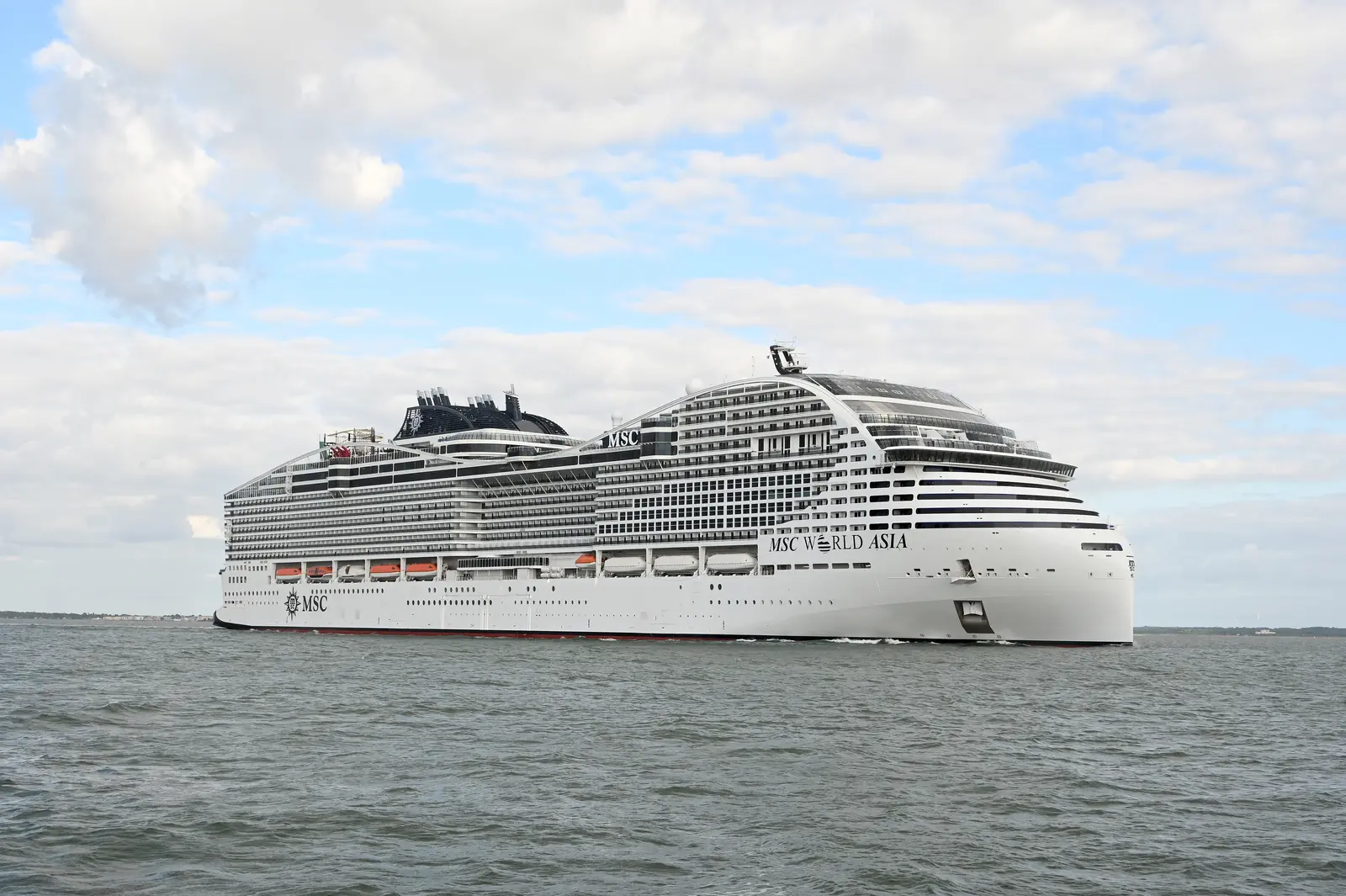 MSC World Asia Sets Sail as One of the World's Largest Cruise Ships
The traveler, of Iranian origin, explained on Reddit that he applied for a U. S. visa in 2024 using his Iranian passport. The application was denied in 2026 under Section 212(f) of the Immigration and Nationality Act. This provision allows the President to suspend entry for certain foreign nationals. After gaining Canadian citizenship, he tried to enter by land. CBP stopped him at the border and demanded a B1/B2 visa.
I became a Canadian citizen and tried to enter the U. S. by land with my Canadian passport. CBP refused entry and specifically told me I must apply for a B1/B2 visa, even though Canadians don't need one, and I [never] served in the [Iranian] army,he wrote.
The Canadian government advises that Canadians can typically stay in the U. S. for six months without a visa, with exceptions. If a visa is required, U. S. authorities can periodically review previously issued visas. These can be revoked for various reasons.
The initial refusal was issued under 212(f) because Iran is among the countries covered by President Donald Trump's travel ban proclamation. Although the June 2025 proclamation exempted dual citizens traveling with passports from unlisted countries, CBP did not explain the refusal with the Canadian passport. The traveler filed his visa application at the U. S. Consulate General in Vancouver, British Columbia. He noted the interview was very detailedand he was placed in administrative processing 221(g),implying internal security and history checks.
Although willing to renounce his Iranian citizenship if possible, this option is rare in practice. It's not that easy. You're marked now, and you have to figure it out or accept you won't go to the U. S.,another user wrote in the Reddit thread. The traveler was also asked to submit Form DS-5535. This case-specific document is requested when applicants have travel history in high-risk regions. Dual citizenship is also a primary reason for this form.
What a CBP Entry Refusal Means for Travelers
The Iranian-Canadian dual citizen's case was described by a participant as an example of passport washing. They argued that changing passports does not reset the traveler's file at CBPand that consulting a U. S. lawyer specializing in 212(f) cases may be needed. It's not a mistake, it's the system working as designed. Like it or not. Simple: you were refused with the Iranian passport under 212(f), then you got citizenship and showed up at a land border with the Canadian one. CBP has a name for that: passport washing,another user wrote. They continued explaining that Canadian passports only offer a visa waiver, not a right of entry. Being sent to the consulate is CBP routing you through the verification channel, and 221(g) plus DS-5535 is that verification. And guess what? It's slow on purpose,they explained.
Similar situations have recently hit Iranian-Canadian visitors with valid passports, who were refused by CBP and told to apply for a visa to visit the U. S. The U. S. and Canada share databases, and those with criminal records, in particular, face CBP refusals even if they occurred decades ago. The same incident repeats for dual citizens entering the U. S. despite holding valid Canadian passports.
In July, an Iranian-Canadian traveler was blocked by CBP due to alleged military service in Iran, which he denied, stating he left Iran at age 14 and does not hold an Iranian passport. Another dual citizen was fingerprinted at the border and refused entry due to ties to Iran, despite having visited the U. S. multiple times previously with the Canadian document without issues.
There have been multiple Reddit reports of Canadian travelers refused by CBP due to dual citizenship. As in the recent case of the Iranian-Canadian citizen who was told to apply for a B1/B2 visa first, this means a 212(f) entry refusal remains a strict rule non-U. S. citizens should consider.
A CBP entry refusal under Section 212(f) of the U. S. Immigration and Nationality Act (INA) of 1952, codified at 8 U. S. C. § 1182(f), is a suspension of entry or imposition of restrictions by the President. The code stipulates: When the President finds that the entry of any alien or a class of aliens would be detrimental to the interests of the United States...