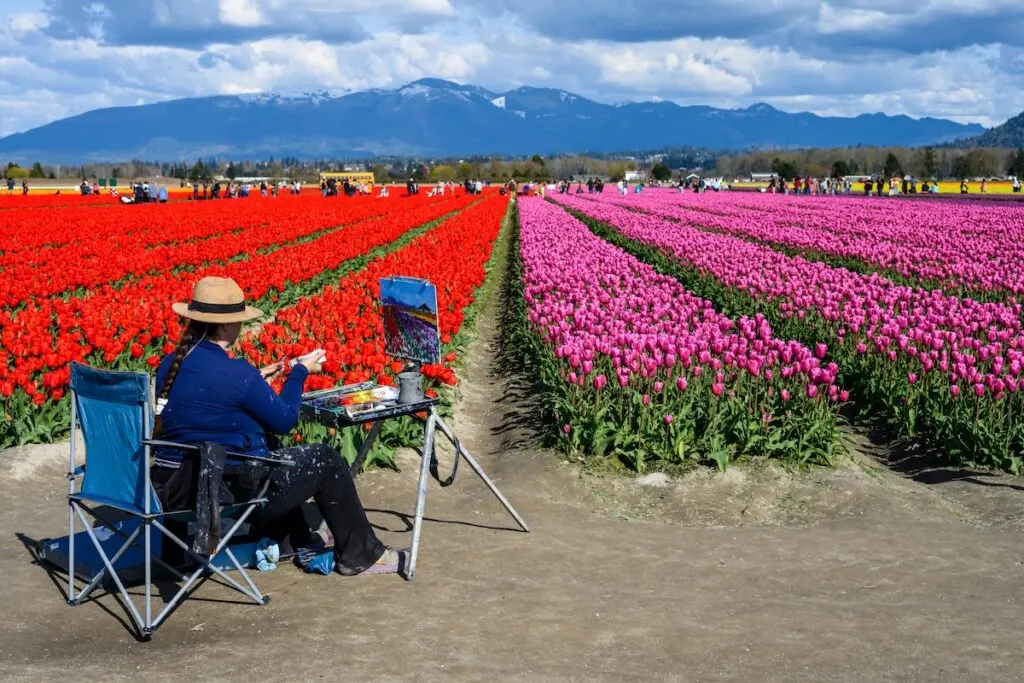
20 Places in America Everyone Seems to Visit at the Wrong Time of Year
Why Summer Crowds Hurt the Experience
Travelers often flock to popular U. S. destinations during peak seasons without considering the downsides of timing. Crowds swell at national parks, historic sites, and scenic overlooks when school breaks and summer holidays align, leading to long lines, overheated attractions, and diminished experiences. These patterns repeat year after year, driven by habit rather than research, leaving both visitors and locations strained by the influx.
Latest news
 Santa Ana Travel Guide: 10 Best Things to Do & 4-Day Itinerary
 Glorious American Getaways That Seem Like Far‑Off Lands
 Best Credit Cards for Rental Car Elite Status
 Where to Eat, Stay, and Play in Medellín, Colombia's Eternally Cool City
Many visitors choose July and August for trips to places like the Grand Canyon or Yellowstone, unaware that extreme heat and packed trails reduce enjoyment. Park rangers report increased heat-related illnesses during these months, while shuttle buses run at full capacity and parking lots fill by early morning. Lodging prices spike, and restaurant waits grow longer, turning what should be a relaxing getaway into a stressful ordeal. Locals often avoid these sites entirely during peak season, knowing the trade-offs aren’t worth it.
When Should You Actually Go?
Shifting travel to shoulder seasons—late spring or early fall—can mean milder weather, fewer people, and better access to popular spots. In Yosemite, for example, September offers clear skies and open trails without the summer congestion. Similarly, visiting Washington D. C. in April or October avoids the sweltering heat and tourist surges of July. Travel experts note that off-peak timing not only improves personal comfort but also helps distribute economic benefits more evenly across the year for gateway communities.
What are the downsides of visiting national parks in summer? Summer visits often mean extreme heat, crowded trails, limited parking, and higher costs for accommodations and services, which can detract from the overall experience.
Frequently Asked Questions
How does timing affect local communities near tourist spots? Peak season brings short-term revenue but can strain infrastructure, increase environmental wear, and reduce quality of life for residents due to congestion and noise.
Is fall a better time to visit historic landmarks in the East Coast? Yes, fall typically offers cooler temperatures, smaller crowds, and vibrant scenery, making it ideal for exploring sites like Boston’s Freedom Trail or Philadelphia’s Independence Hall.
Content written by Mike Kaplan for travel-good.com editorial team, AI-assisted.