5 Safe Spanish Cities to Visit Now with 14th-Century Centers, Zero Crowds, and $4 Tapas
Salamanca
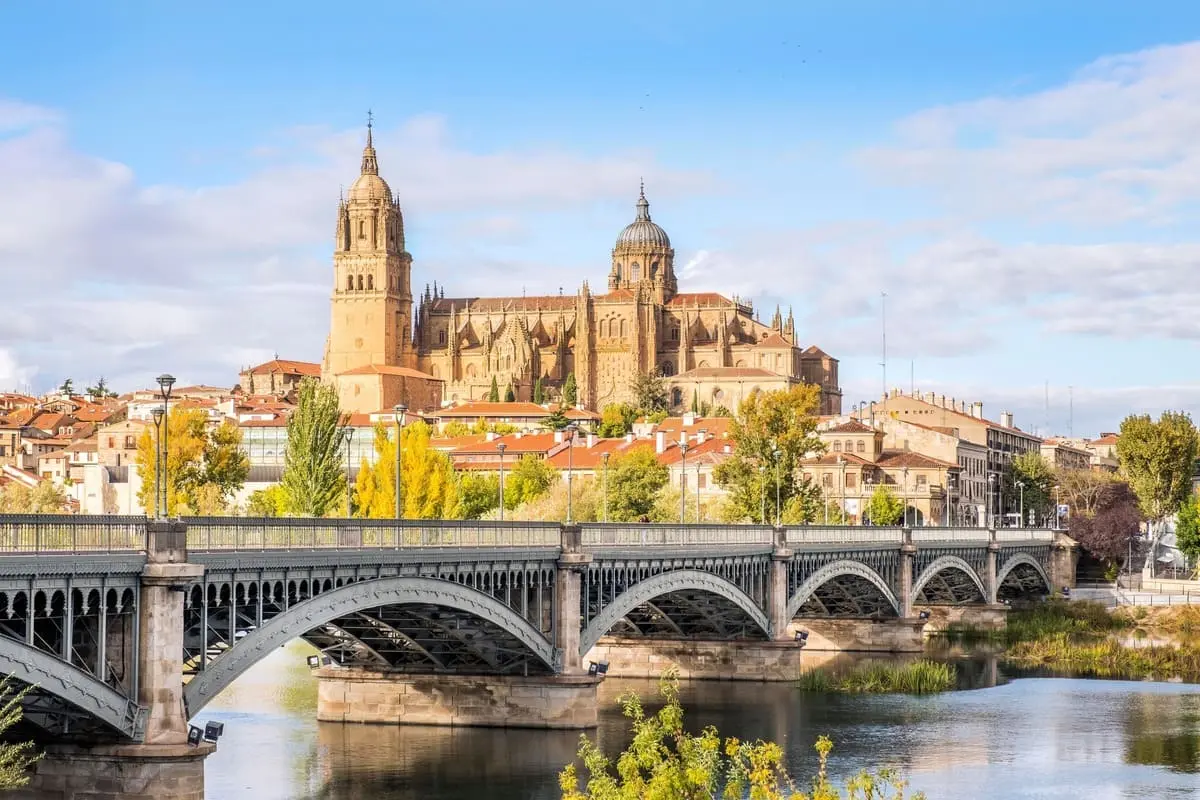
This is a true hidden gem. Most travelers overlook it unless driving from Porto or somewhere in northern Portugal. Salamanca, located in Spain's northwest, is one of Europe's most ornate cities. Almost every building in its historic center, a UNESCO site, appears crafted from the same ochre-colored material. Its abundance of tourist attractions will overwhelm you culturally. Start at Plaza Mayor, a magnificent baroque square surrounded by arcades and cafes. Visit its two interconnected cathedrals: one Romanesque-Gothic, the other largely Gothic with baroque touches. The local university, founded in 1218, is Spain's oldest still operating. Though we're not privileged enough to wander its halls like students, you can still admire its richly carved facade resembling a palace and stroll through its atmospheric nearby gardens. Want something truly unique?
Latest news
 Italy’s Tourism Agency Partners With Private Sector to Expand Global Reach
 American Airlines turns 100 years of flight memories into 200,000-mile jackets
 Expedia Group Acquires Kiwi.com to Expand European Flight Sales
 Atlas Ocean Voyages Lets Guests Choose Hull Color for New Sailing Yacht
Las Conchas is a 15th-century palace adorned with hundreds of sculpted scallop shells, and its double-gallery courtyard is straight out of a fairy tale. Top 5 tourist attractions - Plaza Mayor: an 18th-century baroque square with elegant arcades, traditional cafes, and sandstone buildings. - Cathedrals of Salamanca: two medieval cathedrals showcasing centuries of Romanesque, Gothic, and baroque architecture. - University of Salamanca: Spain's oldest university, known for its intricately carved plateresque facade. - Casa de las Conchas: an impressive Gothic palace decorated with hundreds of stone scallop shells and a stunning double-gallery courtyard. - Convent of San Esteban: a magnificent Dominican convent with a delicate Renaissance carved facade and refectory. Is Salamanca safe now? Generally, Salamanca is a safe city to visit, especially compared to larger Spanish metropolitan areas. Its compact, pedestrian-friendly old town is easy to explore.
Violent crime against tourists is rare, though watch out for pickpockets in
Violent crime against tourists is rare, though watch out for pickpockets in crowded markets and popular attractions. Spain as a whole remains at a Level 2 travel advisory from the US due to terrorism and unrest, but this doesn't mean visitors should expect problems at every street corner. Just exercise normal caution, avoid protests, and stay updated on local news.
Average prices In Salamanca, Spain - Snack at a bar, such as napolitana chocolate: $2.50 - Serving of hornazo, a traditional meat-filled pastry, at a tapas bar: $4.00 - Main dish at a local cheap restaurant: $15.00 - Three-course meal at a mid-range restaurant: $28.00 per person - Cappuccino: $2.35 - Half liter of beer: $3.10 - Public transport: $1.35 per bus - Taxi: approximately $7.00 for a short local ride - Guesthouse or simple private room: $55.00 per night - 4-star hotel: $120 per night Cuenca Head southeast into Spain's heartland to find an timeless city perched above jagged medieval cliffs, with wind chimes that seem to echo the names of its colonial founders: Welcome to the fitting heartland, not the equator: Cuenca, which is equally impressive.
Its main attraction here are the Casas Colgadas, UNESCO-listed, those iconic hanging houses that will make your acrophobia tremble when you gaze at their wooden balconies overlooking the surrounding cordoned area. Huécar Gorge, a vertigo-inducing distance below. Yet this is not the only wonder of the old world in the city: The Cathedral of Santa María y San Julián, built in the 12th century, is one of Spain's most important.