Accor’s Gulf Hotel Recovery Shows Split Between Leisure and Business Travel
Why Are Resorts Outperforming City Hotels in the Gulf?
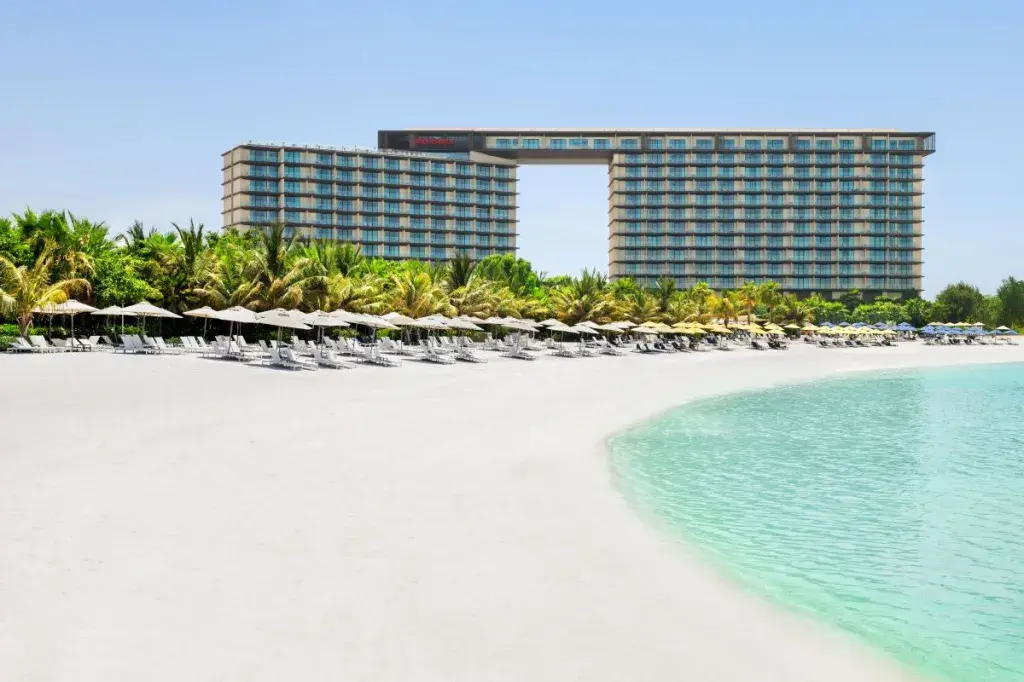
In October 2026, Accor reported a divergent recovery across its Gulf hotel portfolio, with leisure-focused resorts experiencing strong demand while city hotels in business districts lag behind due to slow corporate travel rebound. The trend is most evident in Ras Al Khaimah and other emirate destinations where vacation bookings have surged, contrasting with weaker occupancy in urban centers like Dubai and Abu Dhabi that rely heavily on meetings, conferences, and executive stays.
Latest news
 Phu Quoc: Vietnam’s Premier Tropical Island Escape
 Finding the Best Neighborhoods to Stay in Peru’s Coastal Capital
 Bomb Threat Diverts Tel Aviv Flight to Sofia
 Tracing Ancient Footsteps Through the Yucatán Wilderness
Leisure demand is being driven by regional tourists and international visitors seeking sun, beach, and wellness experiences, particularly at properties such as Mövenpick Resort Al Marjan Island. These resorts have benefited from pent-up travel desire and improved air connectivity, allowing Accor to capitalize on holidaymakers willing to spend on extended stays. In contrast, city hotels continue to face headwinds as multinational firms delay a full return to in-person work and limit non-essential travel, keeping business-related bookings below pre-pandemic levels despite some improvement in domestic corporate activity.
What Factors Could Accelerate Urban Hotel Recovery?
The performance gap stems from differing travel motivations and booking patterns across Accor’s two main hotel categories in the region. Leisure travelers are more flexible with timing, often booking last-minute or extending weekends, and are less sensitive to corporate budget cycles. Meanwhile, business travel recovery remains tied to global economic confidence and company policies, many of which still favor hybrid or virtual meetings. Accor executives note that while group bookings for conferences are slowly returning, they remain inconsistent and heavily dependent on sector-specific events such as energy summits or tech expos.
A sustained pick-up in business travel would require clearer signals from multinational corporations about long-term travel budgets and event planning. Industry analysts suggest that the return of major international exhibitions—such as Gulfood or Arab Health—to full scale could act as a catalyst. Additionally, government incentives aimed at boosting business tourism, including streamlined visa processes and reduced venue costs, may help close the gap. Until then, Accor is adjusting its strategy by promoting city hotels for bleisure stays and targeting regional corporate clients with tailored packages.
Are Accor’s Gulf resorts seeing higher rates than before the pandemic? Yes, many leisure properties are achieving average daily rates above 2019 levels due to strong demand and limited new supply in premium beachfront locations.
Frequently Asked Questions
Is corporate travel expected to return to 2019 levels in the Gulf by 2027? Industry forecasts suggest a gradual return, with business travel likely reaching 85–90% of pre-pandemic volumes by late 2027, assuming no major economic disruptions.
Can city hotels compensate with domestic or regional leisure guests? Some urban hotels are attracting more regional leisure travelers, particularly from neighboring Gulf countries, but this segment alone cannot fully replace the volume and yield of traditional business travel.
Content written by Deepthi Nair for travel-good.com editorial team, AI-assisted.