
AI, data, and human connection shape the traveler experience in 2027
Human connection becomes the primary competitive advantage
The convergence of artificial intelligence, high-quality data, and human connection will define the traveler experience by 2027. This central conclusion emerged from „Destination 2026.”The gathering brought together leaders from travel, mobility, and technology sectors. Organized by Mozio, a global tech platform specializing in ground transport services, the event highlighted that simply adopting new tools is not enough. Companies must use them to deliver safer, more reliable, and efficient experiences. Experts noted that the future of travel depends on combining information, innovation, and human expertise at every stage.
Latest news
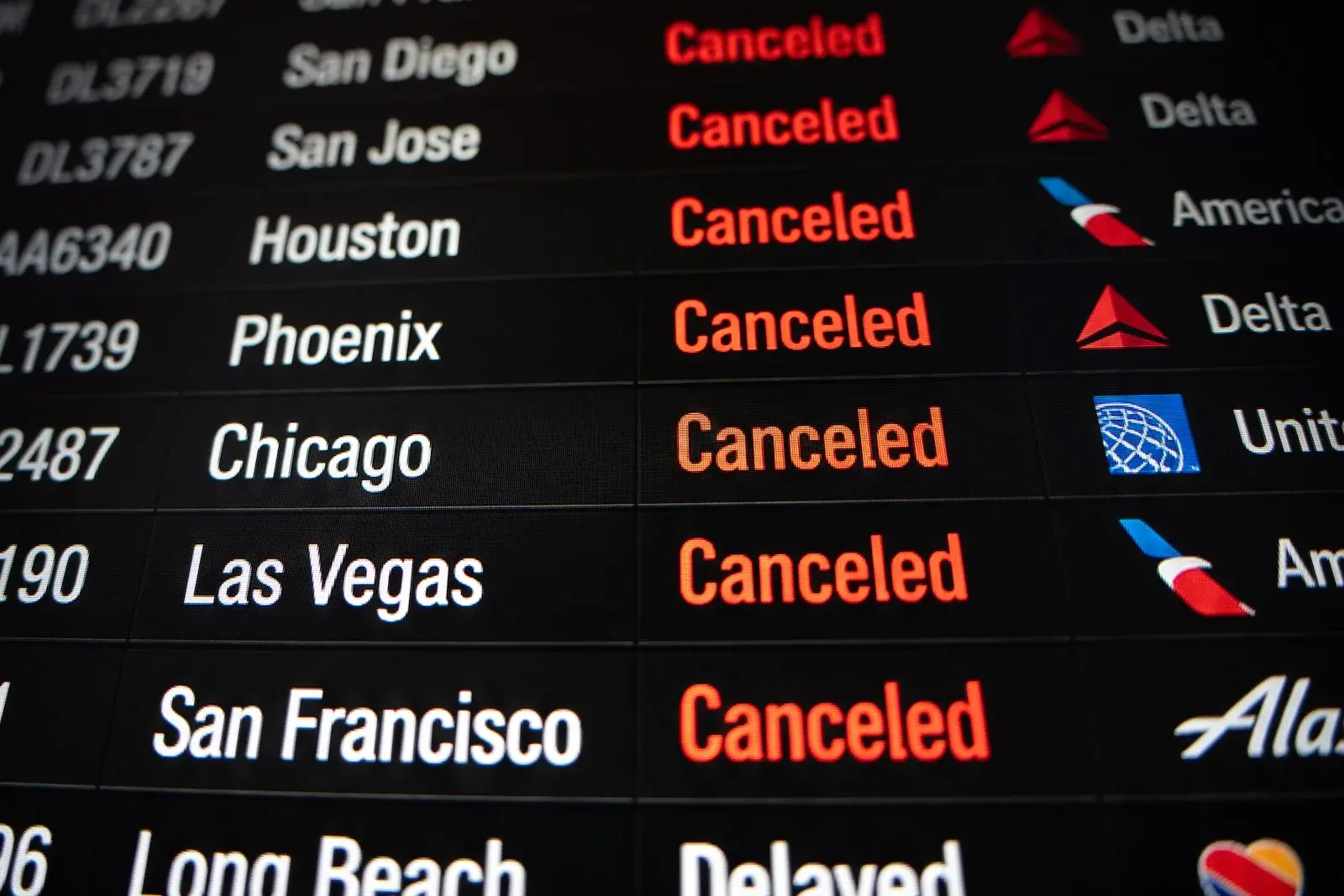 Air Travel Chaos: How TPG’s Experts Steer Travelers Through Flight Disruptions
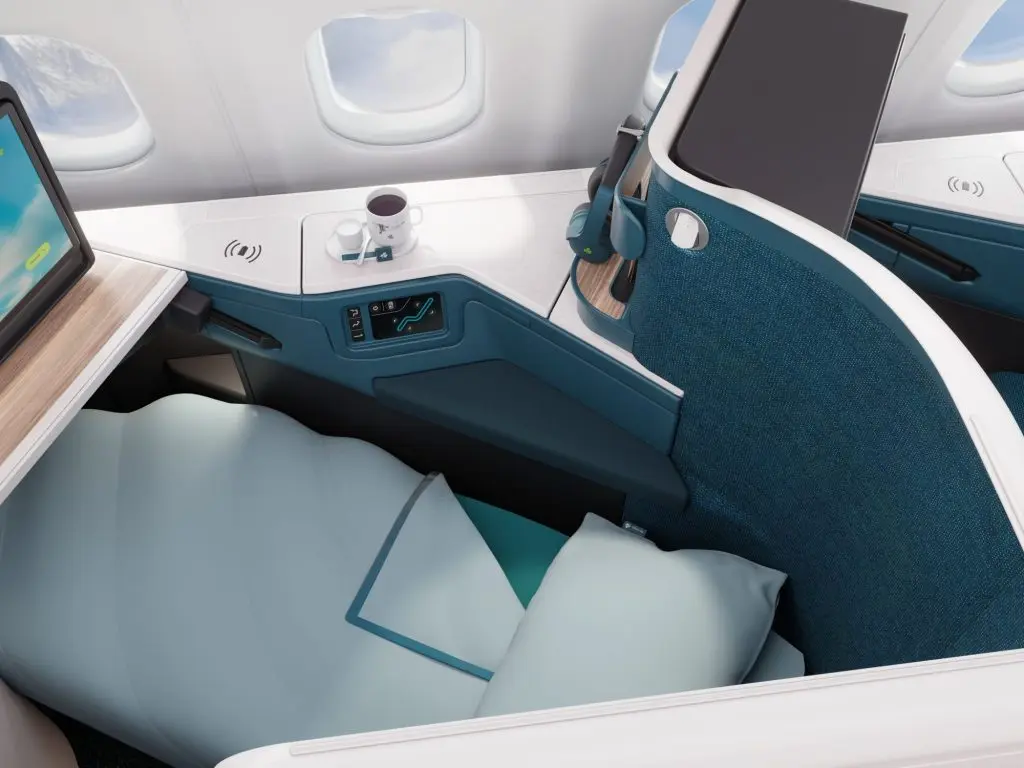 Aer Lingus Upgrades Long-Haul Fleet with Luxury Cabins
 Frequent Flyer Programs Face Turbulence Over Tax Disputes
 Abu Dhabi Maintains High Formula 1 Hotel Pricing Amid Regional Shifts
„Bringing together tourism leaders, mobility experts, and technology specialists allowed us to have a valuable conversation about the real impact of artificial intelligence on the future of travel,”explains Nicole Kerr, CEO of Mozio. „We focused on how AI can improve the traveler experience by making the industry more connected, efficient, and customer-centric. These discussions are essential for sharing best practices and understanding ongoing challenges.”Experts identified five key trends demonstrating how this powerful combination will shape future expectations.
Data quality will determine the value of artificial intelligence
In the era of artificial intelligence, human interaction represents the ultimate competitive edge. Although everyone has access to similar AI tools, the relationships built between people and companies are difficult to replicate. Organizations that combine digital platforms with user-centric experiences will easily differentiate themselves from competitors. Empathy, personalized responses, and mutual trust will remain irreplaceable qualities.
Future travelers will seek relevance, not more choices
Connected systems and reliable data are vital industry advantages. Having updated, structured, and connected data remains a major challenge due to the vast variety of suppliers and mobility options. Integrating diverse sources into a unified inventory improves information availability. This is Mozio’s core business model. The platform gathers thousands of ground transport providers in one place, allowing users to search services, customize itineraries, and make informed choices.
Having endless options does not guarantee a better experience. Travelers want relevant alternatives, simple processes, transparent pricing, and trustworthy providers. Experts recommend acting quickly while maintaining a strategic approach that allows testing and adaptation. AI helps companies understand consumers better, identify priorities, and simplify every stage of the journey from initial search to final destination transport.
Travelers are open to AI agents, but trust remains essential
Using artificial intelligence does not automatically mean trusting it with critical decisions. While AI agents can compare options and simplify booking processes, travelers are not yet ready to hand over final choices completely. Trust is especially crucial for leisure travelers who base decisions on expectations, budgets, and desired experiences. Business travel follows strict corporate policies, yet reliability remains a decisive factor when choosing platforms.
AI must deliver added value and measurable business results
Beyond acting as a simple tool, AI must be implemented to generate real business value and better outcomes. Key indicators include operational efficiency, process optimization, and customer satisfaction. Tourism companies must identify where artificial intelligence simplifies processes and solves problems throughout the customer journey. Innovation must align with clear business objectives to benefit both organizations and their clients.
„The future of the tourism industry will depend on the ability of companies to gather reliable data, technology, and human connection,”concludes Kerr. „While artificial intelligence helps companies make informed decisions, it relies on precise data to build trust and empathy. The real differentiator will not be the volume of automated services, but how these tools deliver relevant solutions without losing sight of the people behind every journey.”An AI-powered industry that keeps travelers at the center. The trends identified at „Destination 2026”indicate a profound shift in how innovation shapes tourism, creating new opportunities while prioritizing human needs.