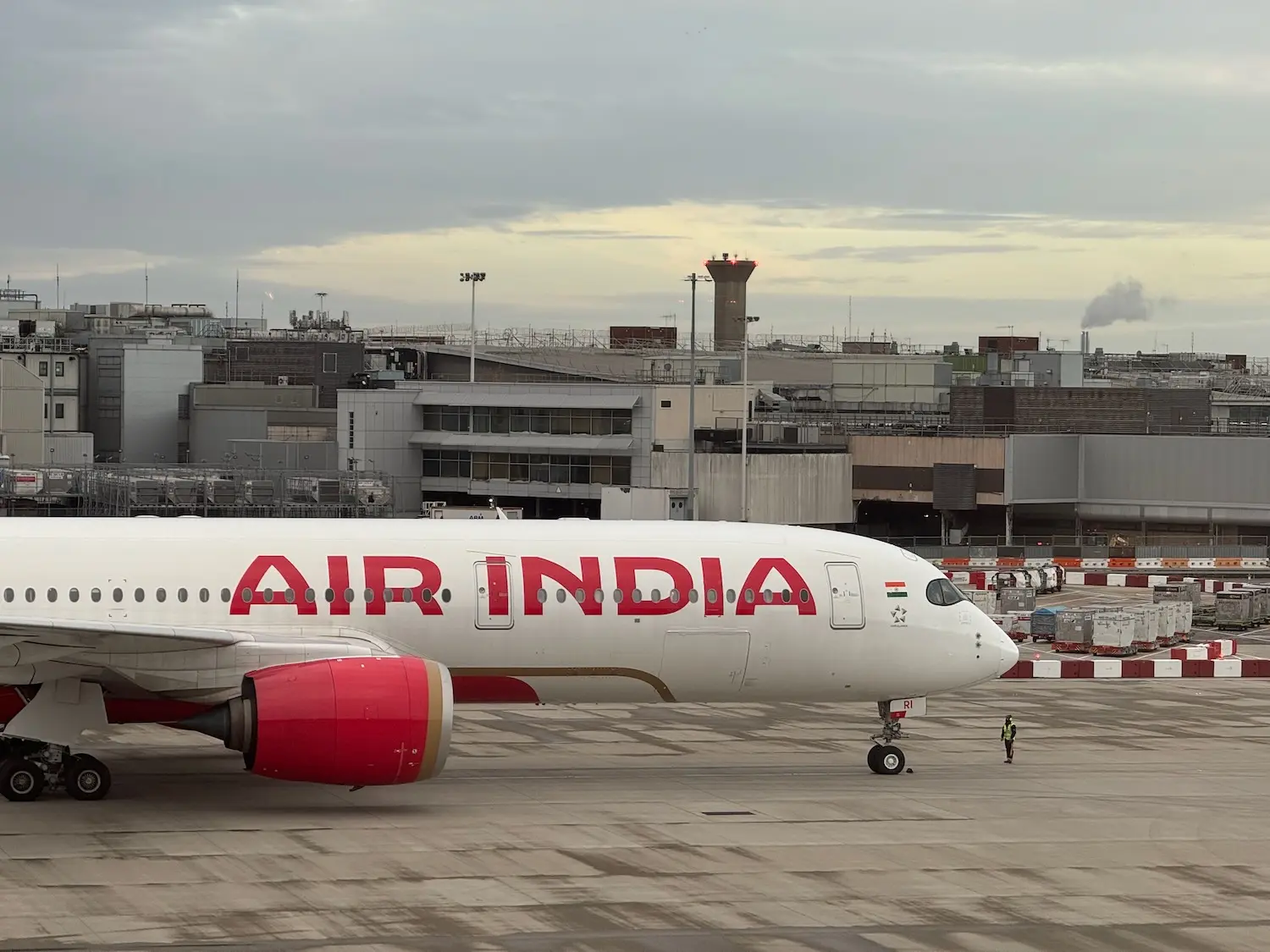
Air India resumes nonstop flights between India and New York
Strategic Shift Toward Middle Eastern Corridors
Air India has reinstated direct flights from Delhi and Mumbai to New York. The carrier removed intermediate fuel stops in Rome. This change reduces total travel time by up to five hours. The route restoration marks a significant shift in transatlantic operations for the airline. Passengers can now travel directly between major Indian cities and the US East Coast without interruption.
Latest news
 Aranui’s New Ship Arrives in the South Pacific
 Tunisia Prepares for Rare Solar Eclipse and Cultural Highlights
 Guam Visitors Bureau relaunches Håfa Adai Pledge with Ken Micronesia
 Air Travel Chaos: How TPG’s Experts Steer Travelers Through Flight Disruptions
The decision to bypass Rome relied on a specific geopolitical development. Instead of using Russian airspace, which remained largely closed to commercial traffic, the airline utilized a shorter corridor over Iraq. This alternative path allowed for a more efficient trajectory. The closure of Iraqi airspace during the conflict had previously forced airlines to take longer detours. The recent reopening of this corridor provided the necessary space for nonstop operations. Fuel efficiency improved significantly with this new routing.
The move highlights a broader trend among global carriers. Many airlines are reevaluating their flight paths around the Middle East. The reopening of Iraqi airspace offers a viable option for long-haul routes. This development reduces fuel consumption and lowers operational costs. It also minimizes flight duration for passengers. The airline’s strategy focuses on maximizing efficiency while maintaining safety standards. The new route aligns with growing demand for direct connections between South Asia and North America.
How Does This Affect Travelers?
Previously, the need to stop in Rome was driven by fuel limitations. Long distances required mid-flight refueling to ensure safe landings. By adopting the Iraqi route, Air India eliminates this logistical hurdle. The shorter distance means less fuel is burned per mile. This efficiency allows the aircraft to carry more payload or reduce ticket prices. The change benefits both the airline’s bottom line and customer satisfaction.
For frequent flyers, the reduction in travel time is substantial. A five-hour saving transforms the travel experience. Layovers in European hubs often caused delays and missed connections. Direct flights offer greater reliability and convenience. Passengers arriving in New York can now do so earlier in the day. This flexibility is particularly valuable for business travelers. Leisure tourists also benefit from less jet lag and fatigue. The streamlined journey makes cross-continent travel more appealing.
The airline expects increased bookings on these routes. Shorter flight times make the destination more attractive to a wider audience. Competition with other carriers offering similar services will intensify. Air India aims to capture market share through superior convenience. The success of this strategy depends on stable airspace conditions. Any future disruptions could force a return to longer detours. However, the current stability provides a window for growth.
Frequently Asked Questions
Does the new route use Russian airspace? No, the flights avoid Russian airspace entirely. They utilize a reopened corridor over Iraq instead. This path is shorter and more fuel-efficient than previous detours.
How much time is saved on these flights? Travelers save up to five hours compared to the previous itinerary. The removal of the Rome stopover is the primary factor. This makes the journey significantly faster.
Are there new restrictions on this route? The route relies on the continued availability of Iraqi airspace. Operational stability is key to maintaining nonstop service. Airlines monitor airspace conditions closely before each departure.