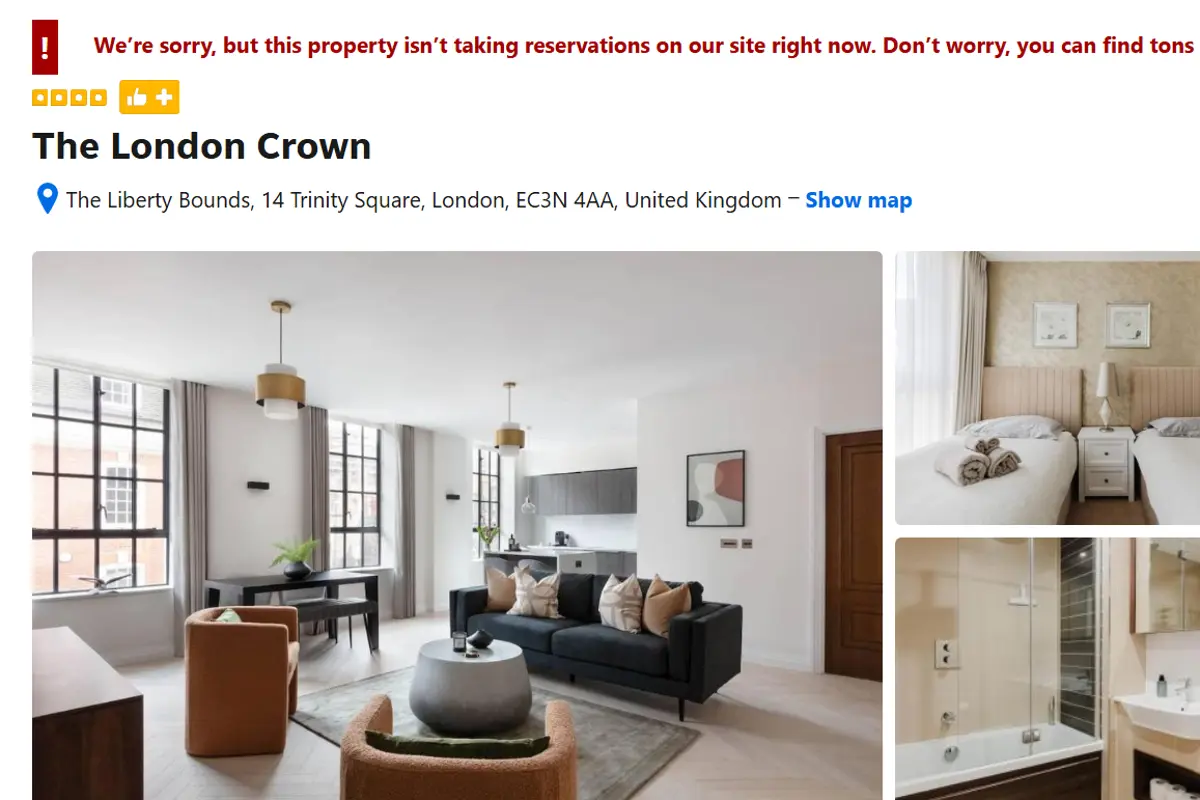
Booking.com lists fake apartment inside UK Parliament for eighty pounds a night
Parliamentary offices sold as holiday rentals
A recent investigation by consumer group Which? revealed that Booking.com hosted multiple fraudulent listings, including a sham apartment located inside the House of Commons. One deceptive advert offered Apartments near Big Benfor just £81 per night. The listing used the official address of Portcullis House, a high-security government building.
Latest news
 Gumbo reveals Louisiana's cultural fusion through its layered ingredients and cooking process
 The World's Top 'Cities to Watch' in 2026
 Newcastle NSW Offers Hidden Gems Beyond the Usual Tourist Spots
 What Timeshare Can Teach Hospitality About Experience-Led Loyalty
The investigation highlights significant security and verification gaps on the popular travel platform. Scammers managed to bypass safety protocols to list non-existent properties in famous landmarks. Travelers who booked these locations risked losing their money and being left stranded without accommodation upon arrival in London.
The fake listing for Portcullis House is particularly bold because the building serves as offices for Members of Parliament. It is a heavily guarded site that does not offer public lodging. Despite the impossibility of the location, the listing remained active and available for booking at a suspiciously low price.
How do scammers bypass travel site security?
The fraudulent activity often relies on the platform's automated systems, which may not cross-reference addresses against government databases. Scammers exploit the high demand for London rentals by offering prices that seem like a bargain. Once a booking is confirmed, the fraudsters often attempt to move the conversation off-site to secure direct payments.
Booking.com has faced increasing pressure to improve its verification methods following these revelations. While the company typically removes reported listings, critics argue that more proactive measures are needed to stop scams before they go live. The incident has sparked a wider debate about the responsibility of digital marketplaces to protect consumers from financial loss.
Frequently Asked Questions
What happened to the fake House of Commons listing? The listing was removed after the investigation exposed it as a fraud. It had used the address of a secure government building where no private apartments exist.
How can travelers avoid booking a fake apartment? Travelers should research the address on independent maps and be wary of prices that are significantly lower than the local average. Always keep communications and payments within the official platform to ensure consumer protection.
What is Booking.com doing to stop these scams? The company states it is constantly improving its detection technology to block suspicious accounts. They advise customers to report any listing that appears fraudulent or asks for payment outside of their secure system.
Content written by Josie Clarke for travel-good.com editorial team, AI-assisted.