
Cendant’s Brief Life Shaped the Asset‑Light Model That Dominates Travel Today
How Cendant Engineered the Asset‑Light Blueprint
Cendant Corporation was founded in December 1997 and dismantled by mid‑2006. In less than nine years it created a financial framework that now underpins most major travel companies. Its rise and fall reshaped how airlines, hotels and online agencies manage assets and capital.
Latest news
 Delta Flight 2531 Forced to Declare Emergency After Passenger Disturbance
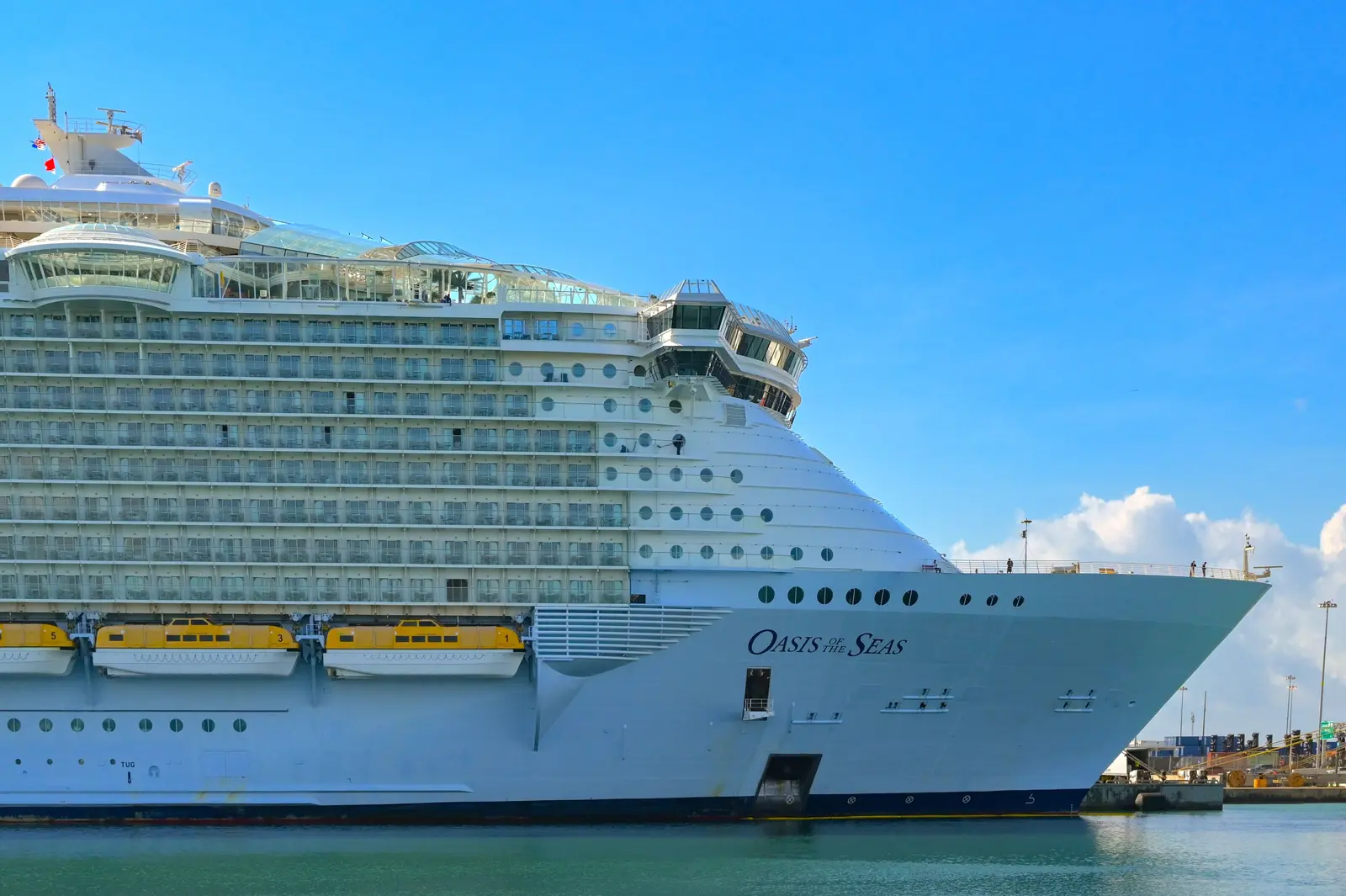 Royal Caribbean Cruise Diverts From Bahamas To Canada Amid Weather Concerns
 Chapel of Expiation: A Silent Witness to France’s Revolution
 Lufthansa to Launch Columbus‑Frankfurt Direct Flights in 2027
The conglomerate assembled a portfolio of travel brands, from rental‑car firms to hotel chains, and financed them through a complex web of debt, equity and asset‑backed securities. By leveraging the cash flow of these businesses, Cendant could expand rapidly without owning the underlying properties. This „asset‑light” approach lowered capital requirements and attracted investors seeking high returns. When the company collapsed under a debt burden in 2006, the model survived, adopted by rivals and startups alike.
Cendant’s strategy hinged on separating operating assets from financing structures. It sold owned hotels to investors, then managed them under management contracts, earning fees while avoiding property risk. In the car‑rental segment, it used lease‑back arrangements, keeping fleets off its balance sheet. This allowed the firm to report strong earnings despite modest cash reserves. Analysts at the time praised the model for its scalability, noting that revenue grew at an average of 12 % annually. The company’s success inspired other travel firms to mimic its financing tactics, embedding the asset‑light philosophy across the industry.
Did Cendant’s Collapse Teach the Industry About Risk?
When Cendant filed for bankruptcy, its debt load—over $30 billion—proved unsustainable. Creditors seized assets, and the conglomerate was broken into separate entities, each returning to more traditional ownership structures. The failure highlighted the danger of over‑leveraging growth, prompting travel executives to reassess balance‑sheet exposure. Yet, the core idea of using external capital to fund operations persisted. Today, airlines lease aircraft, hotels operate under franchise agreements, and online travel agencies rely on third‑party inventory, all echoing Cendant’s original playbook. The lesson was clear: leverage can fuel expansion, but must be balanced with liquidity safeguards.
Cendant’s legacy lives on in the way modern travel firms structure deals and raise funds. While the corporation itself vanished, its asset‑light template continues to drive efficiency and investor appeal across the sector. As the industry confronts new challenges—such as sustainability mandates and digital disruption—companies will likely revisit Cendant’s balance of risk and reward, adapting the model to contemporary priorities.
Frequently Asked Questions
What was the primary financial innovation Cendant introduced? Cendant pioneered the separation of operating assets from financing, using lease‑backs, management contracts and asset‑backed securities to keep capital costs low.
Why did Cendant’s debt become unmanageable? Rapid expansion, aggressive acquisitions, and reliance on short‑term financing created a debt pile exceeding $30 billion, which cash flow could not sustain during market downturns.
Do modern travel companies still use Cendant’s methods? Yes; airlines lease planes, hotel chains favor franchise models, and online travel agencies partner with third‑party providers, all reflecting the asset‑light principles Cendant popularized.
Content written by James Walker for travel-good.com editorial team, AI-assisted.