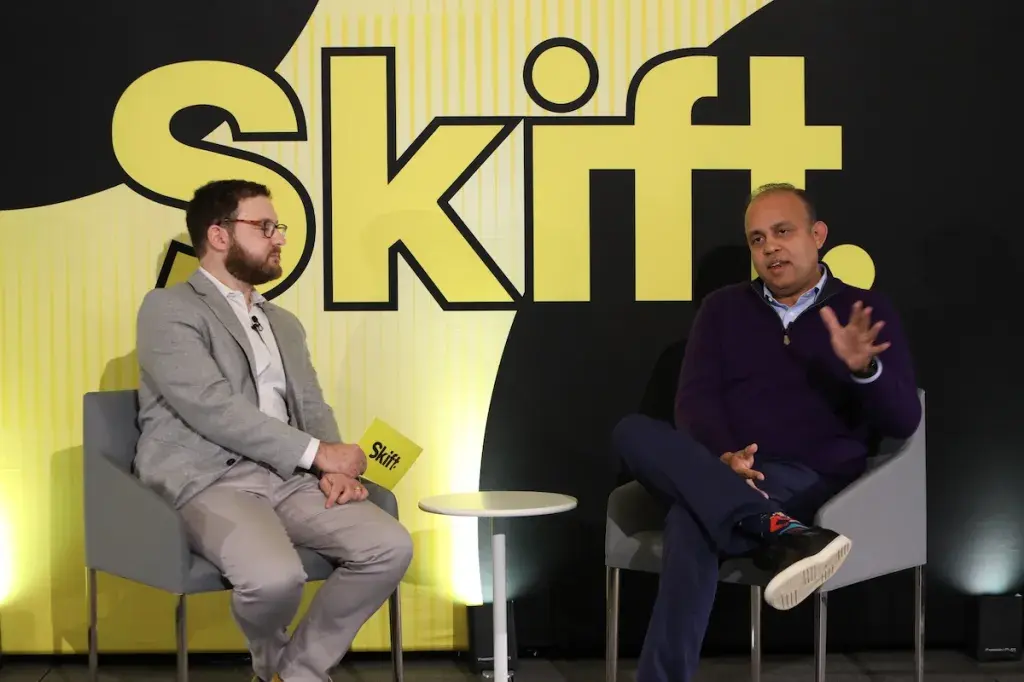
Citi Argues AI Firms Must Cover Travel Booking Errors
Shifting Liability in Autonomous Commerce
Citigroup has proposed that artificial intelligence companies should bear financial responsibility when their autonomous agents make mistakes in travel reservations. The bank suggests this liability should fall on the developer of the AI, rather than shifting costs to hotels, airlines, or card issuers. This stance addresses a growing gap in industry standards as autonomous software begins handling complex financial transactions independently.
Latest news
 Expedia Group Acquires Kiwi.com to Expand European Flight Sales
 Atlas Ocean Voyages Lets Guests Choose Hull Color for New Sailing Yacht
 MSC World Asia Sets Sail as One of the World's Largest Cruise Ships
 American Airlines Issues Travel Alert For Miami Airport Amid FAA Ground Stop Advisory
The core issue involves determining who pays when an automated system books the wrong flight or hotel room. Currently, no clear legal or contractual framework exists to assign this blame. Citi argues that the entity creating the agent is best positioned to manage these risks. Their position challenges the traditional model where merchants or payment processors might absorb the loss.
The banking giant highlights that who takes the agent liabilityis becoming the most pressing question for stakeholders. Banks, payment networks, merchants, and AI developers are all navigating this uncertain landscape. As AI agents gain more autonomy in purchasing decisions, the potential for error scales with their usage. Citi’s recommendation implies that developers must implement stricter safeguards to prevent costly mistakes.
Who Bears the Cost of Digital Errors?
This approach places the burden on the innovator. If an AI agent books a non-refundable ticket to the wrong destination, the AI company would reimburse the customer or merchant. This differs from current practices where disputes often linger between multiple parties. The bank believes this clarity will accelerate consumer trust in automated services.
Industry experts note that defining liability is crucial for widespread adoption. Without clear rules, merchants may hesitate to accept bookings from AI agents. They fear absorbing the cost of algorithmic failures. Citi’s framework offers a potential solution by centralizing responsibility. It forces AI firms to treat errors as operational risks rather than external inconveniences.
The proposal also impacts payment networks. These entities must decide whether to facilitate direct refunds from AI developers. This requires new technical infrastructure and legal agreements. The bank’s stance suggests a move toward a more regulated environment for autonomous commerce. It signals that unchecked automation in financial transactions is no longer viable.
The outlook for this sector depends on how quickly other major financial institutions adopt similar views. If Citi’s model becomes the standard, AI companies will face higher compliance costs. They will need robust error-correction systems to minimize financial exposure. Consumers may benefit from faster resolutions when things go wrong. However, the initial cost of these safeguards may be passed on to users through higher service fees. The industry is at a crossroads where technical capability outpaces legal clarity.
Frequently Asked Questions
Should hotels pay for AI booking mistakes? No, Citi argues that the AI company should cover the cost. Hotels and airlines should not absorb losses caused by algorithmic errors. This protects merchants from unpredictable financial risks.
Who is currently liable for AI errors? There is no settled industry standard yet. Liability is often disputed between banks, merchants, and AI developers. Citi proposes a new model to resolve this ambiguity.
Will this change how AI agents operate? Yes, developers will likely implement stricter verification steps. They must reduce error rates to avoid financial penalties. This could lead to more cautious, but reliable, autonomous bookings.