
What AI Travel Booking Means for Your 2027 Commerce Budget
As one travel technology consultant put it
The rise of AI-powered travel agents is beginning to reshape how businesses plan their travel spending, though adoption remains limited as of 2024. Industry analysts note that while these tools currently handle only a small fraction of bookings, their underlying commercial frameworks are being negotiated and finalized this year. Companies that delay integrating AI booking systems risk having their travel costs dictated by competitors’ technological choices rather than their own budget strategies. AI agents operate under evolving commercial terms that sellers are actively shaping in 2024, creating a pivotal moment for travel procurement teams. Early adopters stand to gain pricing advantages through optimized routing and dynamic fare tracking, while those who wait may find themselves subject to algorithms designed by others. The shift isn’t just about convenience—it’s about who controls the levers of cost in an increasingly automated marketplace.
Latest news
 Delta Flight 2531 Forced to Declare Emergency After Passenger Disturbance
 Royal Caribbean Cruise Diverts From Bahamas To Canada Amid Weather Concerns
 Chapel of Expiation: A Silent Witness to France’s Revolution
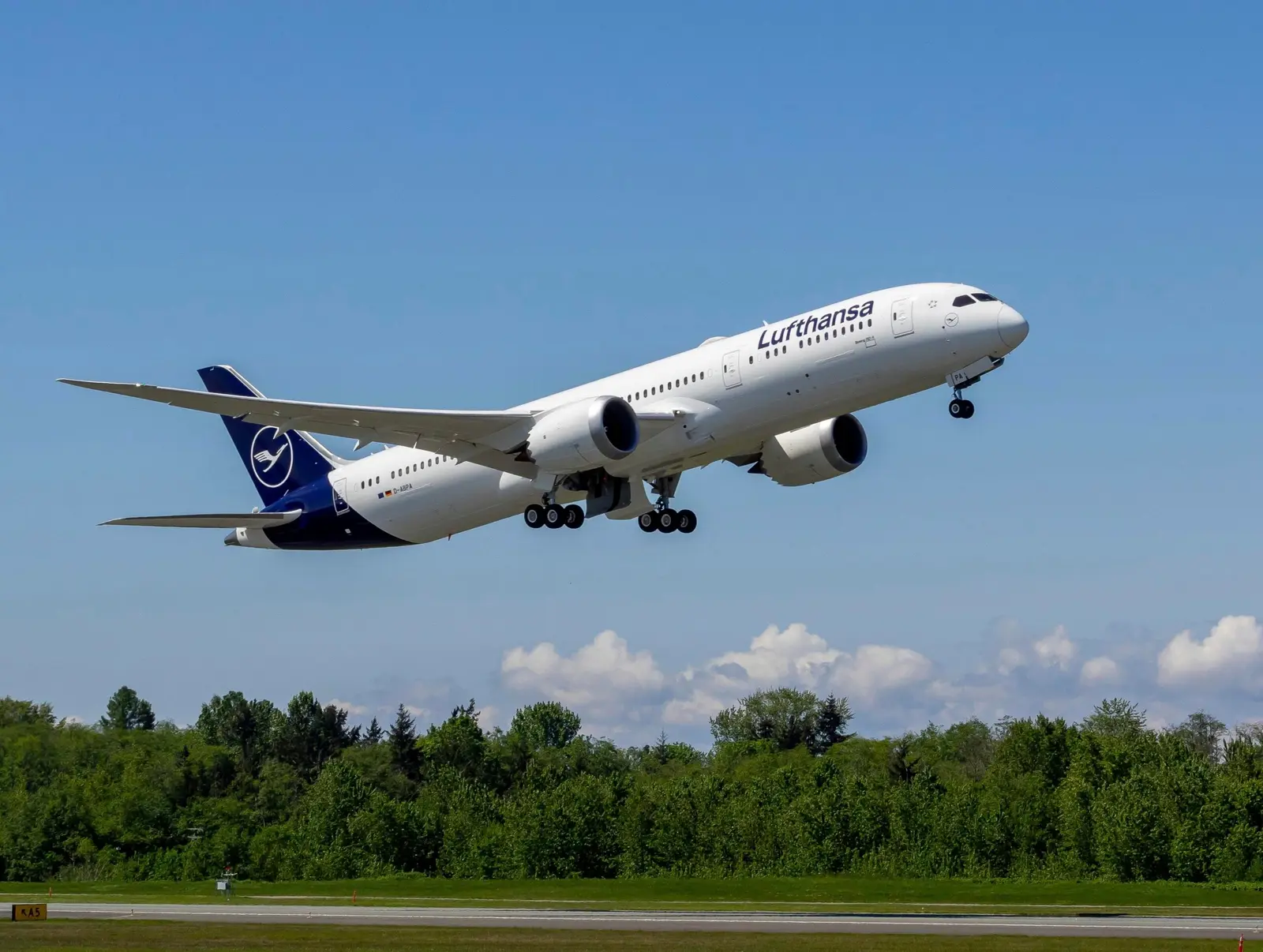 Lufthansa to Launch Columbus‑Frankfurt Direct Flights in 2027
As one travel technology consultant put it, „The sellers who sit out this year will be priced by someone else’s integration.” How AI Booking Terms Are Being Set This Year The commercial agreements governing AI travel agents—such as fee structures, data access rights, and liability clauses—are currently under discussion between suppliers, platforms, and corporate buyers. These terms will determine how much companies pay per booking, what alternatives are shown to travelers, and how quickly refunds or changes are processed. Unlike traditional GDS systems, AI agents can prioritize options based on real-time corporate policies, potentially reducing out-of-policy spend. However, the lack of standardization means early decisions could lock in unfavorable terms for latecomers. What Happens If Companies Delay AI Integration? Organizations that postpone adopting AI-driven booking tools may face higher long-term costs as market leaders secure preferential rates through volume-based algorithms.
Since AI systems learn from aggregate booking patterns
Since AI systems learn from aggregate booking patterns, early participants help shape the very pricing models that others will later encounter. This creates a first-mover advantage where initial adoption influences future market dynamics. Conversely, rushing in without clear policy alignment could lead to compliance issues or employee dissatisfaction if the AI overrides preferred travel habits. Frequently Asked Questions How much of travel booking is currently handled by AI agents? AI agents still manage only a small sliver of total travel bookings, though their share is growing steadily as technology improves and corporate trust increases. Will AI booking replace human travel managers? Not entirely—AI is expected to handle routine bookings and policy enforcement, while human managers focus on complex itineraries, duty of care, and strategic vendor relationships. Can companies customize AI booking rules to match their travel policies?
Yes, most AI booking platforms allow businesses to input specific rules around preferred vendors, class of service, and booking windows, ensuring alignment with internal guidelines.
Content written by Kanchi Jain for travel-good.com editorial team, AI-assisted.