Devon Tourism Faces Major Risk From Data Center Plan
Energy Demands Clash With Conservation Goals
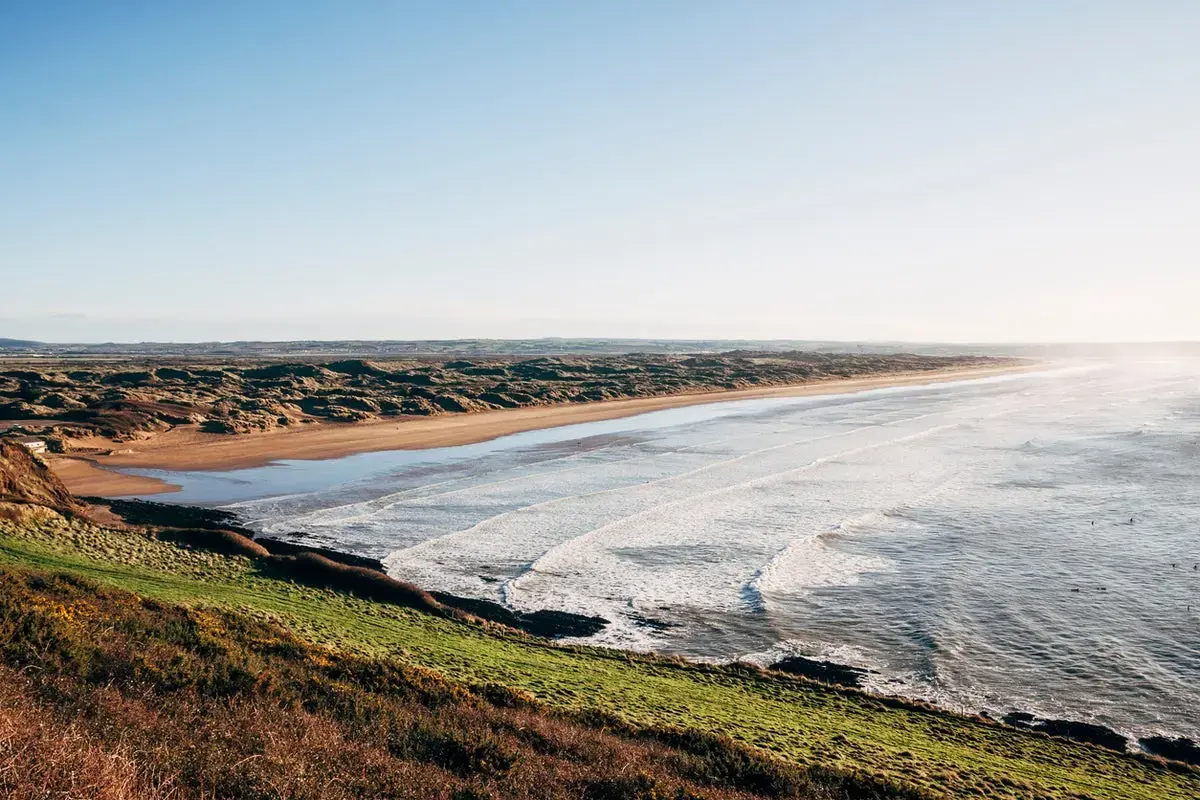
A leading charity warns that the North Devon Biosphere’s UNESCO status could be jeopardized by a proposed data center. This threat poses a significant risk to local tourism and the region’s environmental reputation. The concern stems from plans to build a large-scale facility within the designated reserve area. Critics argue this development conflicts with the core principles of sustainable land use. The charity believes losing this international designation would deal a severe blow to the local economy.
Latest news
 Delta Flight 2531 Forced to Declare Emergency After Passenger Disturbance
 Royal Caribbean Cruise Diverts From Bahamas To Canada Amid Weather Concerns
 Chapel of Expiation: A Silent Witness to France’s Revolution
 Lufthansa to Launch Columbus‑Frankfurt Direct Flights in 2027
The North Devon Biosphere is one of only seven UNESCO Biosphere Reserves in the United Kingdom. These designations are awarded for their commitment to balancing conservation and sustainable development. A data center consumes vast amounts of energy and water, raising questions about its fit within such a sensitive zone. The charity highlights that the reserve’s unique status attracts visitors and supports local businesses. If the UNESCO label is removed or threatened, the appeal of the area may diminish significantly.
The proposed data center requires substantial infrastructure to support its operations. This includes cooling systems and high-capacity power connections. Local environmental groups argue that these needs strain the natural resources of the biosphere. They point out that the reserve is meant to protect biodiversity and promote low-impact living. Building a high-energy facility contradicts this mission. The charity emphasizes that the decision sets a precedent for future developments in similar zones. If approved, it could encourage other heavy industries to seek locations in protected areas. This shift might alter the landscape and reduce the ecological value of the region.
Will The Reserve Lose Its Global Standing?
Supporters of the project claim it will bring jobs and modernize the local digital infrastructure. However, opponents counter that the long-term environmental costs outweigh the short-term economic gains. The debate centers on whether economic growth should take priority over global conservation standards. The charity notes that many tourists choose North Devon specifically for its pristine natural environment. A large industrial complex could change the visual and acoustic character of the coastline. This alteration might deter the very visitors who sustain the local hospitality sector.
The outcome of this dispute will determine the future identity of North Devon. If the data center proceeds, the UNESCO committee may review the reserve’s compliance. Failure to meet specific criteria could lead to the removal of the designation. Losing this status would mean the region loses a key marketing tool. It would also signal a retreat from international environmental commitments. The charity urges local authorities to conduct a thorough impact assessment before finalizing plans. They call for public consultation to ensure all voices are heard. The goal is to find a balance that protects both the environment and the community.
Frequently Asked Questions
The stakes are high for the entire Devon tourism industry. A successful defense of the UNESCO status could strengthen the region’s brand. Conversely, a loss could trigger a decline in visitor numbers and investment. The coming months will be critical as stakeholders negotiate the best path forward. The decision will serve as a test case for how other biospheres handle modern technological demands.
How many UNESCO Biosphere Reserves exist in the UK? There are currently seven designated reserves in the country. North Devon is one of these protected areas. Each site focuses on sustainable development and conservation.
Why does a data center threaten the reserve’s status? Data centers require high energy and water usage. This consumption can conflict with the low-impact goals of a biosphere reserve. It may also alter the local landscape and ecology.
Content written by Natalie Wilson for travel-good.com editorial team, AI-assisted.