
Gulf tourism sector faces ripple effects from Houthi attacks on Saudi Arabia
Regional Anxiety Drives Booking Cautions
Rising tensions in the Red Sea are altering travel patterns across the Persian Gulf. Houthi missile and drone strikes targeting Saudi Arabia have created a palpable sense of caution among international visitors. Hotel chains and tour operators in the United Arab Emirates and Oman report a noticeable shift in client behavior. While Saudi Arabia bears the brunt of the disruption, neighboring emirates are experiencing early signs of hesitation. This regional spillover effect is prompting businesses to monitor booking trends closely. The situation remains fluid, with safety concerns driving decision-making for inbound tourists.
Latest news
 Expedia Group Acquires Kiwi.com to Expand European Flight Sales
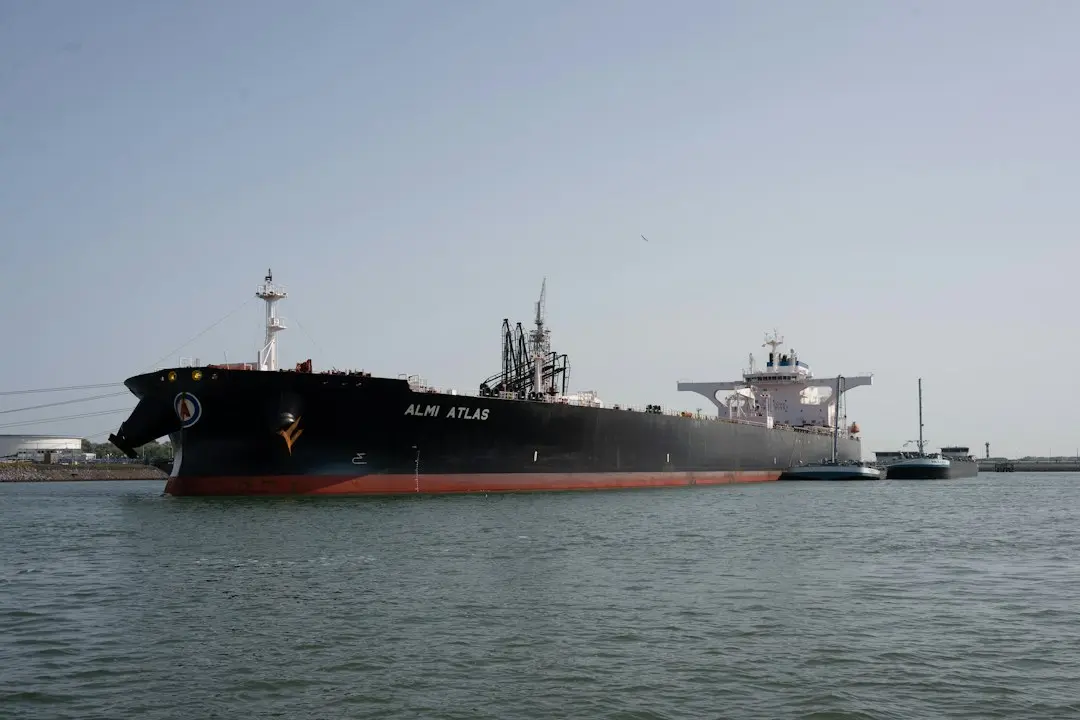 Atlas Ocean Voyages Lets Guests Choose Hull Color for New Sailing Yacht
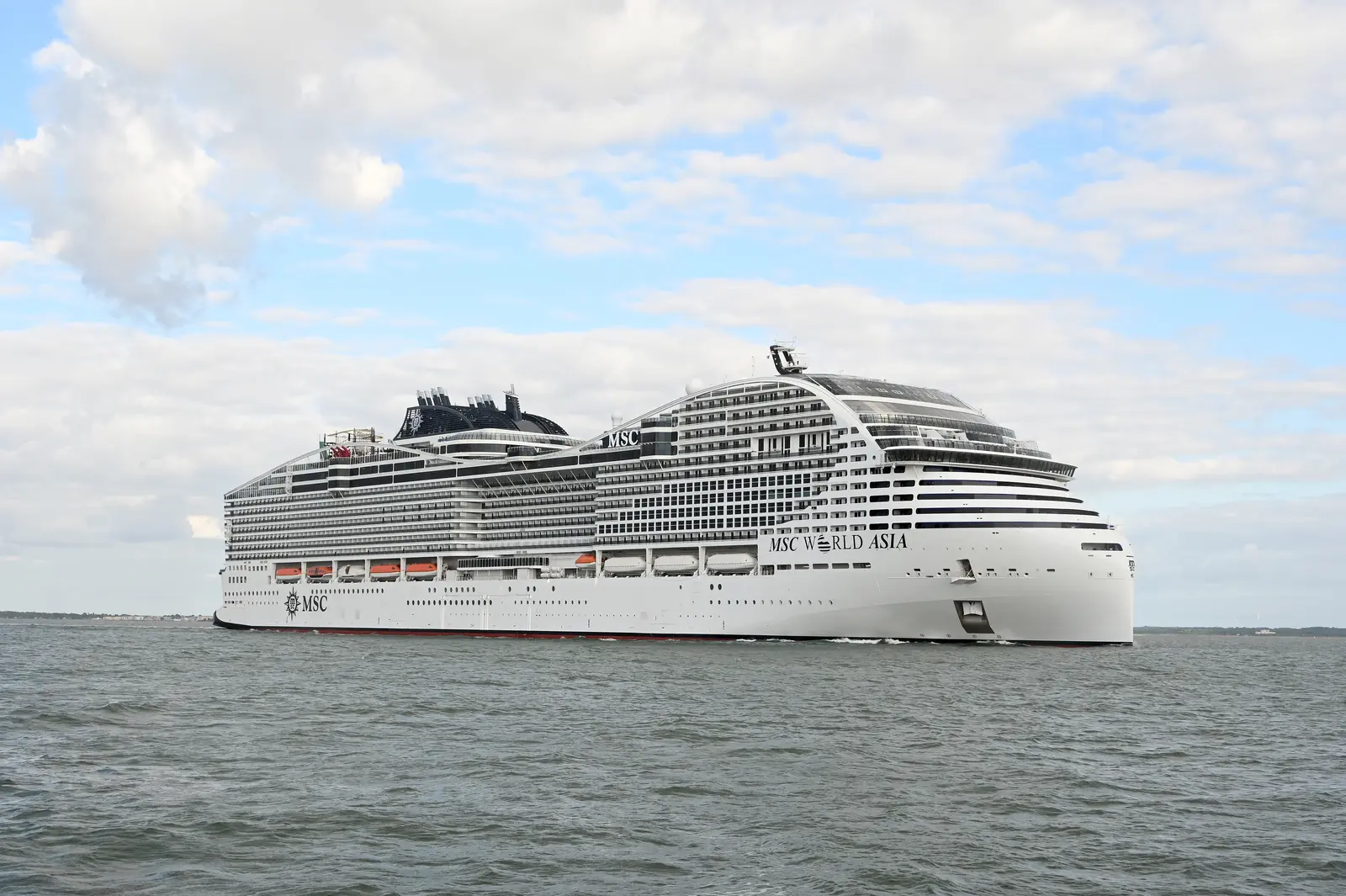 MSC World Asia Sets Sail as One of the World's Largest Cruise Ships
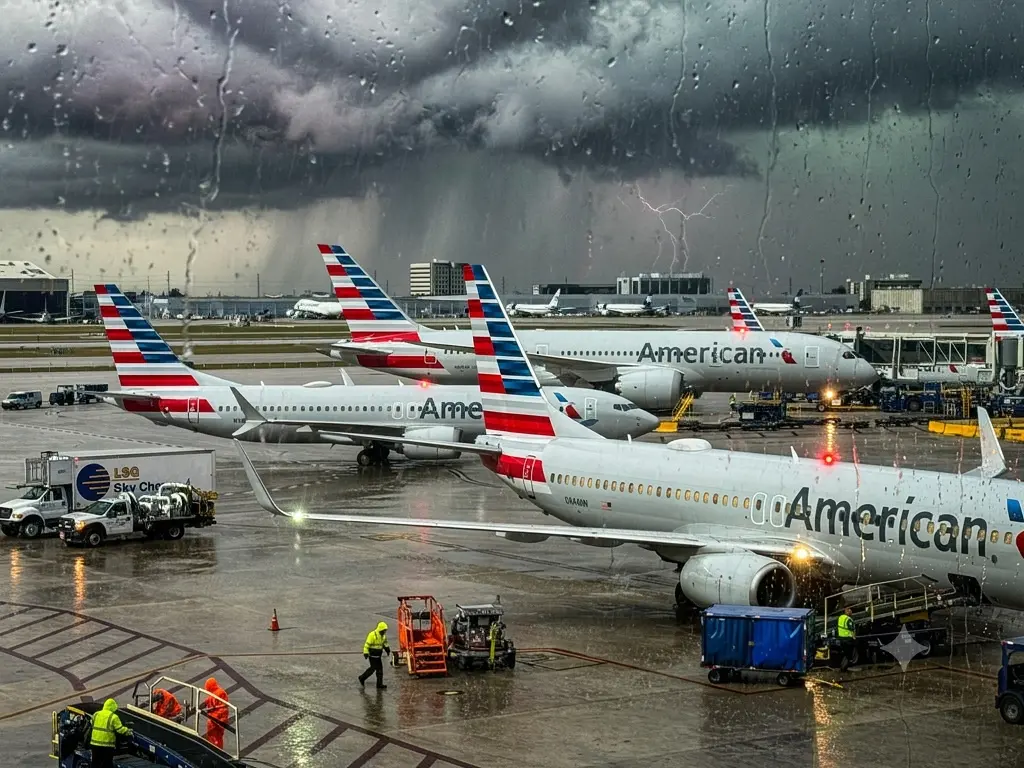 American Airlines Issues Travel Alert For Miami Airport Amid FAA Ground Stop Advisory
The primary concern stems from the proximity of conflict zones to popular leisure destinations. Travelers perceive the entire Gulf region as interconnected, leading to broader risk assessments. Operators note that while current cancellations are manageable, the psychological impact on future planning is significant. Safety inquiries have increased in volume, requiring staff to provide detailed reassurances regarding local security protocols. The distinction between direct hits and regional anxiety is crucial for understanding market dynamics.
Industry leaders describe a measurable drop in confidence rather than an immediate collapse in numbers. The United Arab Emirates has not suffered the same level of direct physical damage as Saudi Arabia. However, the perception of risk extends beyond borders, affecting consumer sentiment. Tour operators indicate that clients are delaying final decisions until the geopolitical landscape stabilizes. This delay creates uncertainty for revenue forecasting in the coming months. The softening demand is most visible in high-value packages that require long-term commitment.
Will the Slowdown Persist Beyond Initial Fears?
Data suggests the economic shock is concentrated within Saudi Arabia itself. Neighboring countries maintain stronger baseline numbers, though growth rates may slow. The disparity highlights how quickly sentiment can cross national lines in a tightly integrated travel market. Operators are adapting marketing strategies to emphasize local stability and diverse attractions. They aim to differentiate their offerings from the broader regional narrative of conflict. This approach seeks to reassure visitors that daily life and tourist infrastructure remain robust.
The duration of this slowdown depends heavily on the frequency of Houthi activities. If strikes become sporadic, the market may recover quickly due to strong brand loyalty. Conversely, sustained aggression could lead to longer-term adjustments in travel habits. Analysts suggest that business travel will be more resilient than leisure tourism. Corporate travelers often have less flexibility to change routes or destinations. Leisure tourists, however, prioritize perceived safety above all other factors. The industry expects a gradual normalization once a clearer pattern of conflict emerges.
The consequences extend to pricing strategies and inventory management across the Gulf. Hotels may adjust rates to stimulate demand during uncertain periods. Airlines could introduce new schedules to capture cautious travelers seeking alternative hubs. The outlook remains cautiously optimistic, provided no major escalation occurs. The resilience of the UAE and Omani markets serves as a buffer for the wider regional economy. Future performance will hinge on the balance between geopolitical developments and consumer confidence.
Frequently Asked Questions
Are flights to the UAE being cancelled? No, major airlines continue operating normal schedules to Dubai and Abu Dhabi. Most disruptions are limited to specific routes near the Red Sea conflict zone. Operational changes are minimal compared to previous regional crises.
How much has demand dropped in Oman? Operators report a modest decline in forward bookings, significantly lower than Saudi figures. The exact percentage varies by hotel category and season. Overall, the impact remains manageable for most stakeholders.
Is it safe to visit the Gulf now? Security experts generally consider the UAE and Oman stable for visitors. Local authorities have increased visibility without disrupting routine activities. Travelers should still monitor news for any sudden developments.