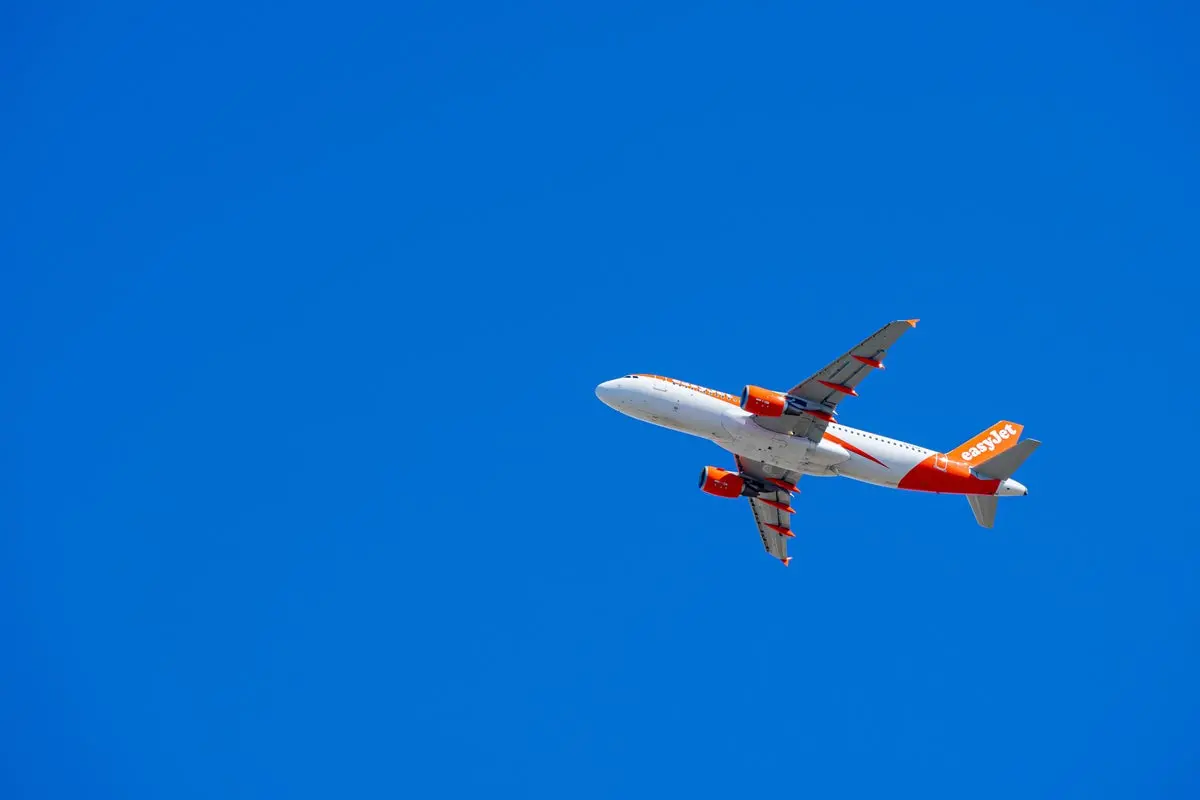
EasyJet Slashes 700,000 Winter Seats to Cut Fuel Costs
How the Seat Reduction Affects Passengers
EasyJet has announced a major cut to its winter flight schedule, removing 700,000 seats from its timetable. The decision, made in late September, comes as fuel prices climb and the airline seeks to keep fares competitive. The cuts will affect routes across Europe, with the biggest reductions on long‑haul flights to destinations such as the United Kingdom, Germany, and the Mediterranean.
Latest news
 Avalon: The Greek Isles of Southern California Offer Mediterranean Charm Without the Flight
 Winter Direct Flights: US Airlines Open New Routes to Canada
 High Shoals Falls: A Hidden Gem in the North Georgia Mountains
 Delta CEO says customers will keep buying tickets even with 20% price hikes
The airline said the move is part of a broader cost‑saving strategy. Fuel now accounts for a larger share of operating expenses, and EasyJet’s management believes trimming seat capacity will help maintain profitability while still offering affordable travel options. The company also highlighted that the reduction will free up resources for fleet maintenance and potential future expansion once fuel prices stabilize.
Will the Cuts Reverse When Fuel Prices Drop?
Passengers on routes that lose seats may find fewer options for booking, especially during peak travel periods. EasyJet has stated that it will re‑allocate some of the removed capacity to high‑demand routes, potentially increasing frequencies on popular destinations. Customers are advised to book early to secure seats, as the new timetable may lead to higher seat prices on remaining flights.
The airline has also promised to keep its customer service channels open and to provide real‑time updates on flight changes. While some travelers may experience inconvenience, EasyJet argues that the cuts are necessary to avoid fare hikes that could deter budget‑conscious passengers.
Frequently Asked Questions
EasyJet’s CEO has hinted that the seat reductions could be temporary. „We are monitoring market conditions closely,” he said. „If fuel costs come down, we will reassess our capacity and may reinstate seats on affected routes.” The company’s financial reports show a modest decline in revenue this quarter, but the CEO emphasized that the cost‑cutting measures are expected to improve margins over the next twelve months.
The airline’s decision comes amid a broader industry trend, with several low‑cost carriers adjusting schedules in response to volatile fuel markets. Analysts predict that if fuel prices remain high, more airlines may follow EasyJet’s lead, potentially reshaping the European low‑cost travel landscape.
Content written by Natalie Wilson for travel-good.com editorial team, AI-assisted.