EU Border System Raises Tourism Concerns
Potential for Travel Disruption
The World Travel & Tourism Council (WTTC) warns a new European Union border system could discourage travelers. The system, designed to track visitors, faces potential issues. This could impact tourism across Europe, starting with its full implementation. The WTTC issued its concerns this week.
Latest news
 Delta Flight 2531 Forced to Declare Emergency After Passenger Disturbance
 Royal Caribbean Cruise Diverts From Bahamas To Canada Amid Weather Concerns
 Chapel of Expiation: A Silent Witness to France’s Revolution
 Lufthansa to Launch Columbus‑Frankfurt Direct Flights in 2027
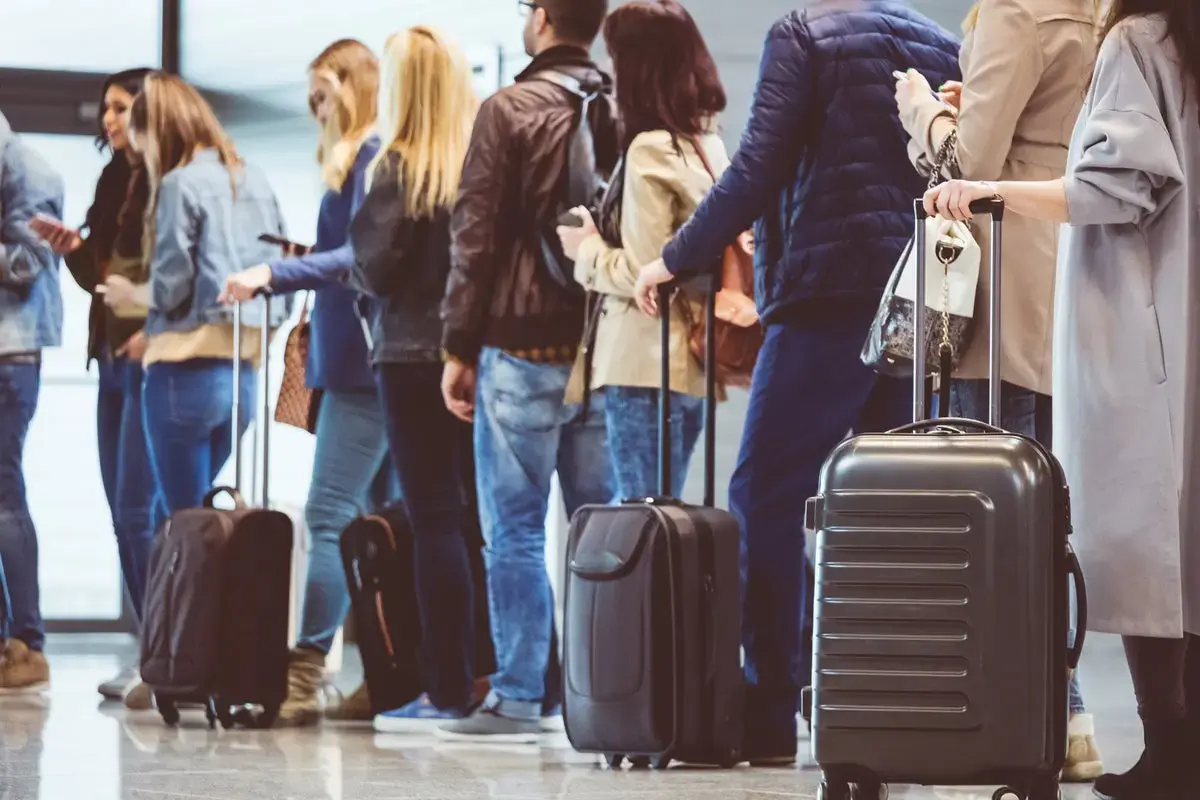
The EU’s Entry/Exit System (EES) aims to enhance security by registering travelers from non-EU countries. It requires biometric data collection – fingerprints and facial scans. This data will be used to track entries and exits. The WTTC believes the system’s rollout is problematic. They fear long queues and technical difficulties at borders.
The WTTC emphasizes the system’s potential to negatively affect the visitor experience. They predict significant delays, particularly during peak travel seasons. This could deter potential tourists from choosing European destinations. The organization suggests the current infrastructure isn’t prepared for the increased processing demands. It could lead to frustration and a decline in travel demand.
Will Travelers Be Put Off?
The council isn’t against enhanced security measures. Instead, they advocate for a smoother, more efficient implementation. They urge the EU to address the logistical challenges before the system fully takes effect. A flawed rollout could damage Europe’s reputation as a welcoming tourist destination. The WTTC believes a positive travel experience is crucial for the industry’s recovery and future growth.
The core issue revolves around the potential for lengthy border checks. Currently, many non-EU travelers enjoy relatively quick passage through immigration. The EES will require more time for biometric data collection and verification. This could add significant delays, especially at busy airports and land borders. The WTTC believes these delays could be a major deterrent for leisure travelers.
The organization also highlights the lack of public awareness about the new system. Many travelers are unaware of the requirements and the changes to the border crossing process. This lack of information could exacerbate the problems during the initial implementation phase. Clear communication and traveler education are essential to mitigate potential disruptions.
The consequences of a poorly implemented EES could be substantial. A decline in tourism would impact economies across Europe. The travel and tourism sector contributes significantly to GDP and employment. Reduced visitor numbers would lead to job losses and economic hardship. The WTTC hopes the EU will take its concerns seriously and work towards a solution that balances security with a positive travel experience.
Frequently Asked Questions
What is the EU Entry/Exit System? The EES is a new system that registers travelers entering and exiting the EU. It collects biometric data like fingerprints and facial scans to improve security and border management. It applies to citizens of countries outside the EU.
How will this affect travel to Europe? Travelers will face longer border checks due to the biometric data collection process. The WTTC warns of potential delays, especially during peak seasons. Travelers should be prepared for increased processing times at entry and exit points.
What is the WTTC asking the EU to do? The WTTC urges the EU to address logistical challenges and improve infrastructure. They also emphasize the need for clear communication to travelers about the new system. They want a smooth implementation that doesn’t deter tourism.
Content written by Sophie Chen for travel-good.com editorial team, AI-assisted.