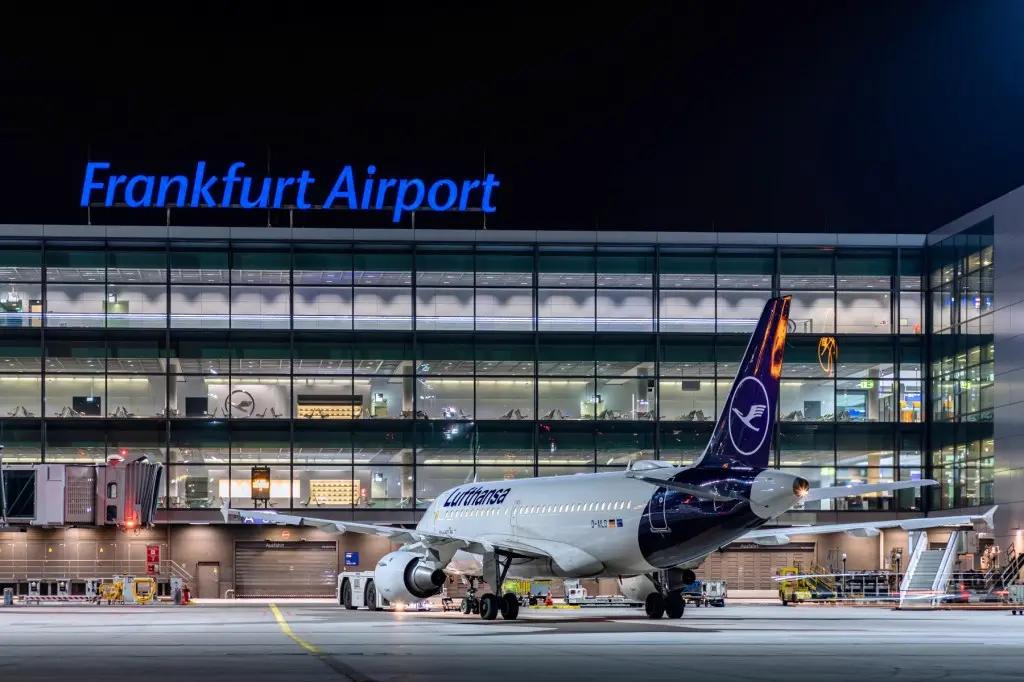
European Airlines Face Rising Financial Pressure as Carbon Credits Fade
The End of Regulatory Subsidies
European airlines are bracing for a significant financial shift as free carbon emissions permits are phased out across the continent. This policy change, mandated by the European Union, forces carriers to pay for their environmental impact. Airlines must now manage these rising regulatory costs alongside existing volatility in global fuel prices.
Latest news
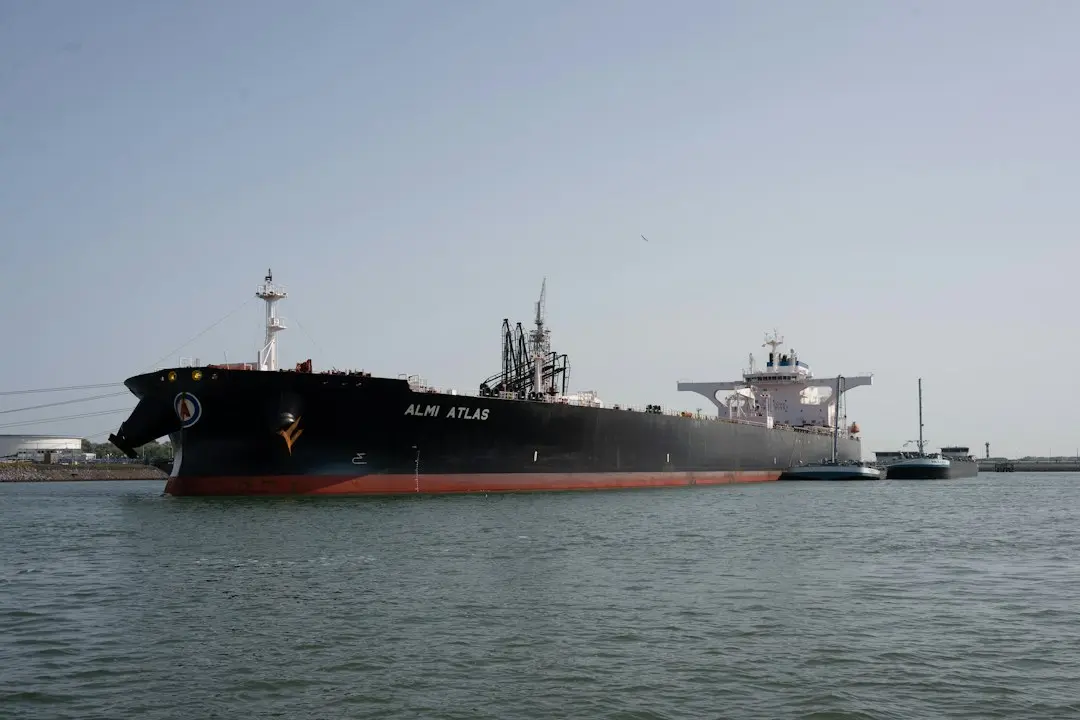 Atlas Ocean Voyages Lets Guests Choose Hull Color for New Sailing Yacht
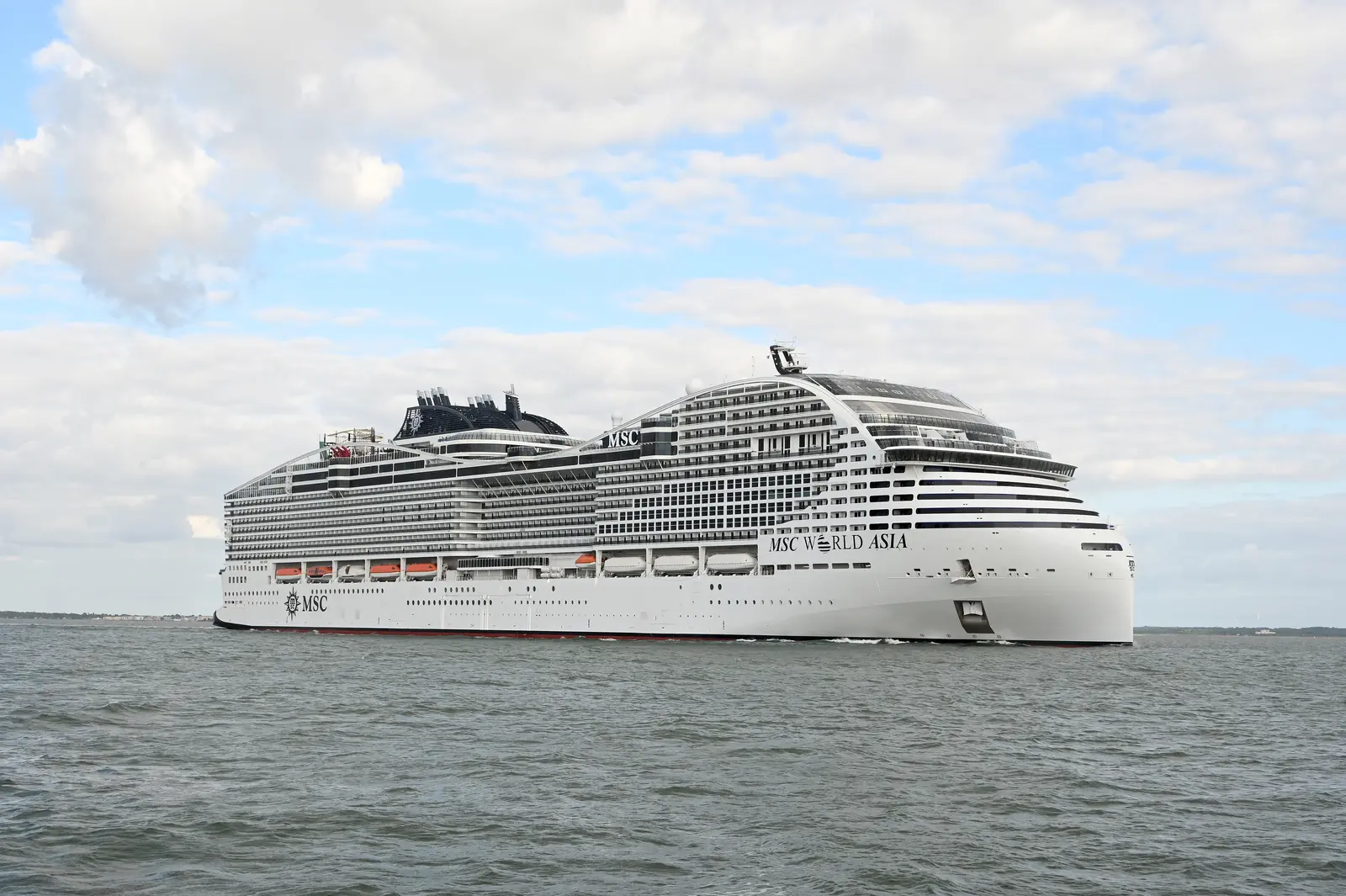 MSC World Asia Sets Sail as One of the World's Largest Cruise Ships
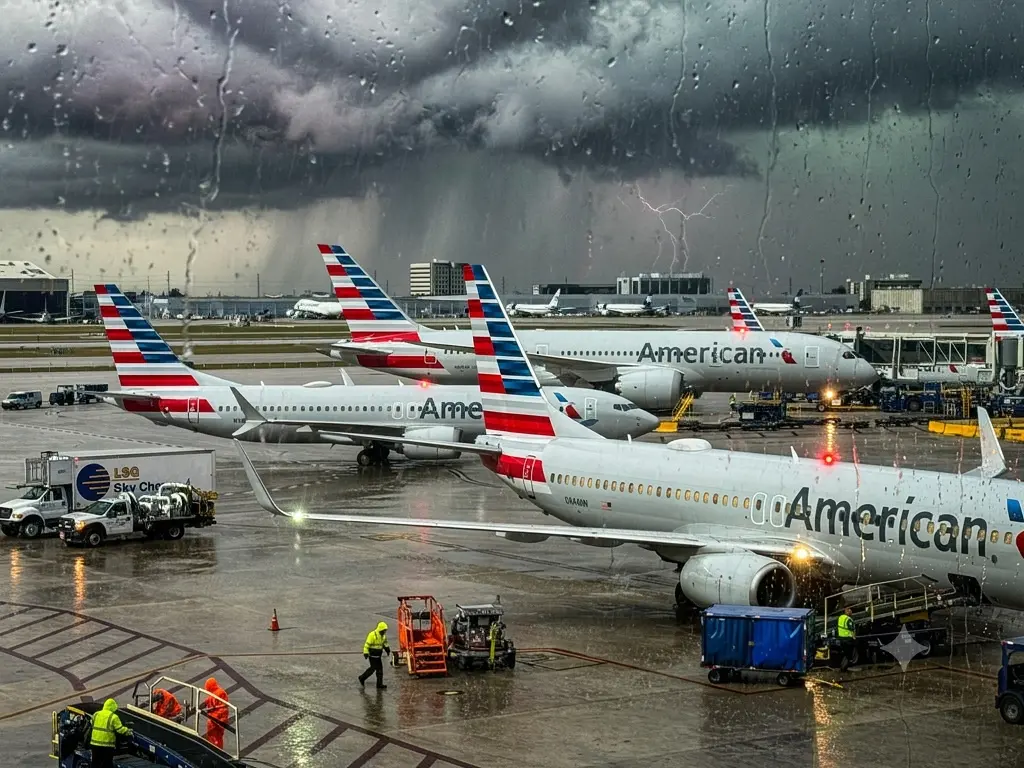 American Airlines Issues Travel Alert For Miami Airport Amid FAA Ground Stop Advisory
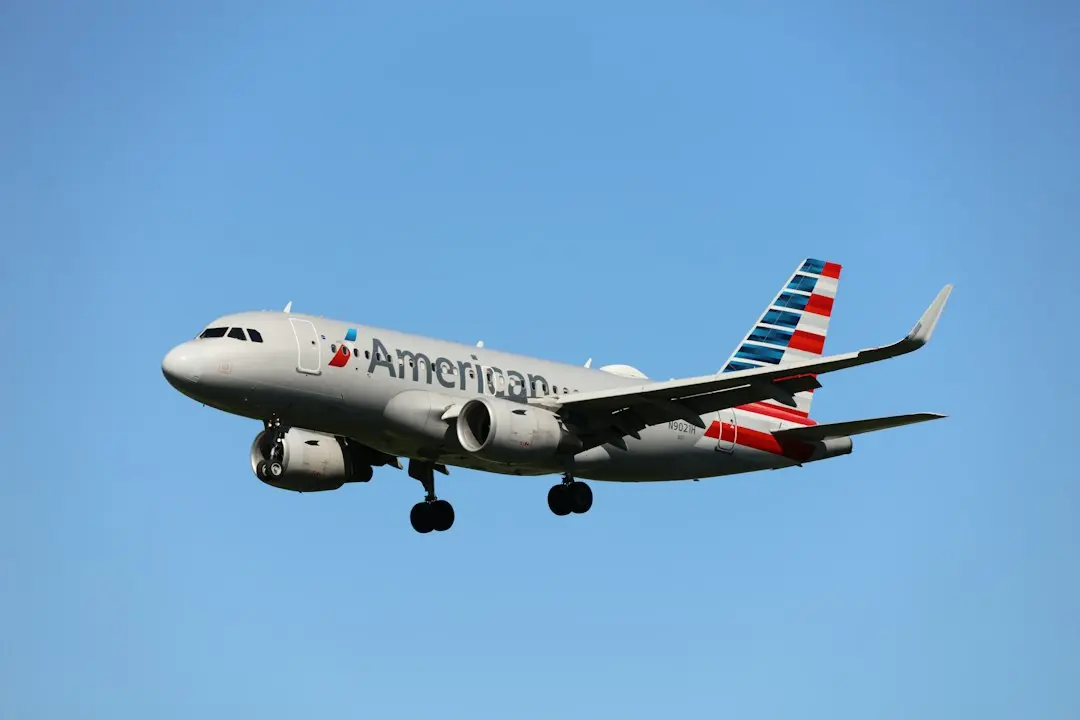 American Airlines Extends Rebooking Options Amid Thanksgiving Storms
The transition marks a permanent change in how airlines report their quarterly earnings. Previously, many carriers relied on free allowances to offset the cost of their carbon output. Now, these expenses have become a standard line item on balance sheets, directly impacting profitability and operational budgets for major aviation groups.
For years, the aviation sector benefited from a generous allocation of free carbon credits. These permits were designed to help the industry transition toward greener operations without causing immediate financial distress. As these allowances vanish, airlines must purchase credits through the EU Emissions Trading System to cover their flight paths.
Can Passengers Absorb the Added Costs?
This shift coincides with a period of sustained high fuel costs, creating a double burden for airline executives. Companies are struggling to balance their sustainability goals with the need to remain profitable. The added expense of Sustainable Aviation Fuel (SAF) further complicates the financial outlook for carriers operating within Europe.
The industry is now facing a critical question regarding future pricing strategies. Executives must decide how much of these environmental expenses can be passed on to travelers through ticket surcharges. If airlines raise fares significantly, they risk cooling consumer demand during a period of economic uncertainty.
Frequently Asked Questions
Analysts suggest that 2027 will be a pivotal year for the sector. By then, the full weight of the new carbon policy will be felt across all European flight operations. Carriers that fail to optimize their fuel efficiency or secure cheaper renewable energy sources may find themselves at a severe competitive disadvantage.
Why are airline costs increasing? Airlines are losing their free carbon permits, forcing them to pay for every ton of emissions they produce. This regulatory change adds a new, permanent expense to their operational budgets.
How will this affect ticket prices? Airlines will likely attempt to pass these higher costs to passengers through increased fares. The final price depends on how much demand remains steady despite the higher costs.