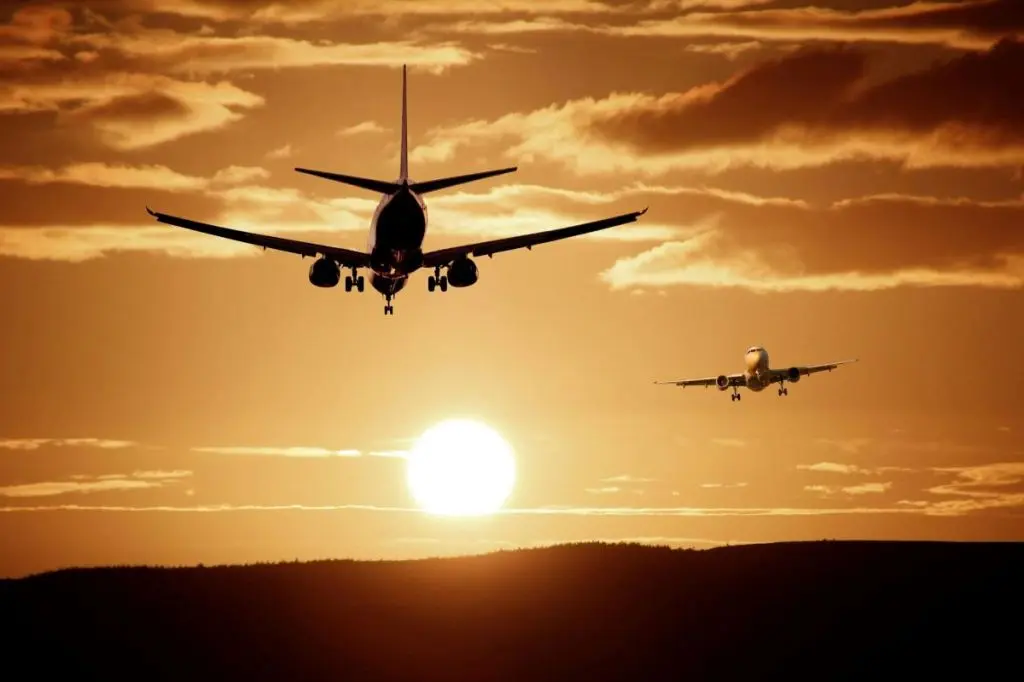
European Airlines Burn More Fuel Following Russian Airspace Restrictions
Detours Drive Up Fuel Burn
Finnair flights connecting Europe to Northeast Asia now require roughly one-third more time in the sky compared to pre-2022 schedules. This detour stems from the closure of Russian airspace, which was enacted in retaliation against European Union and United Kingdom sanctions following the invasion of Ukraine.
Latest news
 Atlas Ocean Voyages Lets Guests Choose Hull Color for New Sailing Yacht
 MSC World Asia Sets Sail as One of the World's Largest Cruise Ships
 American Airlines Issues Travel Alert For Miami Airport Amid FAA Ground Stop Advisory
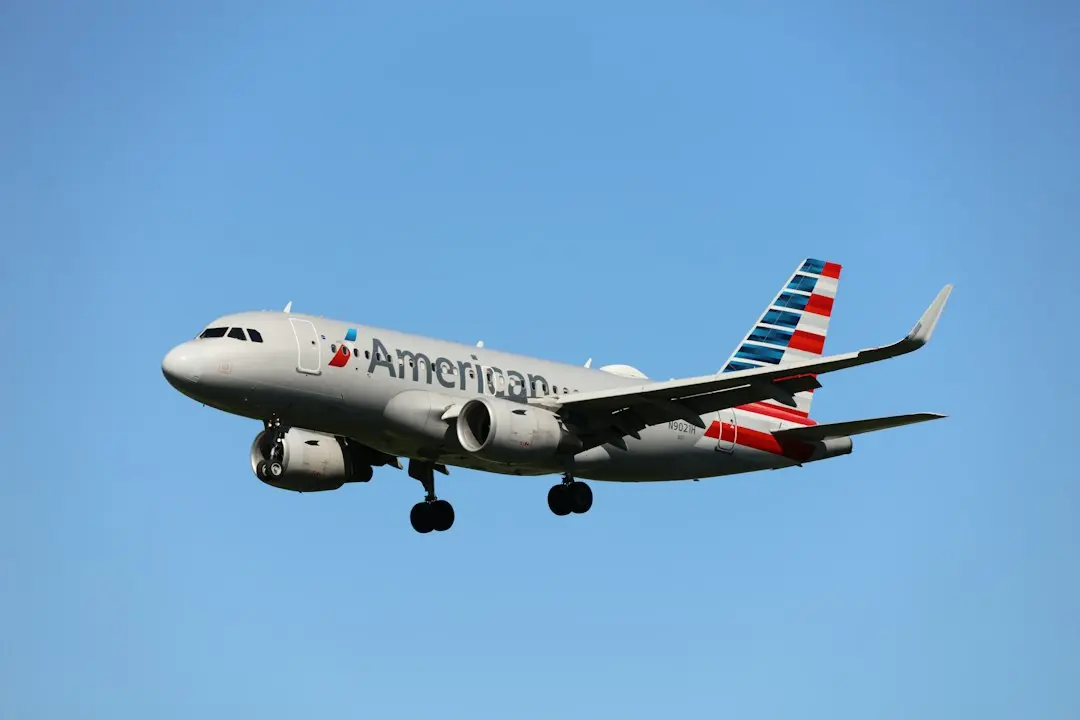 American Airlines Extends Rebooking Options Amid Thanksgiving Storms
The mandatory avoidance of Russian territory forces carriers to chart southern or northern workarounds that significantly lengthen great-circle distances. For Finnish flag carriers, this operational reality translated directly into a ten percent surge in total carbon emissions over the affected routes.
The geographic advantage that northern European hubs traditionally held for Asian connections has essentially evaporated overnight. Because aircraft must fly vastly longer routes to bypass the restricted sovereign zone, they consume substantially higher volumes of jet fuel per journey.
Can the Industry Overcome This Environmental Hurdle?
This mechanical necessity undermines years of corporate sustainability pledges aimed at reducing aviation's global climate footprint. While airlines continue investing in modern, fuel-efficient fleets, the physical geometry of these extended paths completely negates incremental technological gains.
Environmental advocates argue that mounting emissions from detoured flights highlight a major blind spot in international climate accountability frameworks. Airlines caught in the geopolitical crossfire find themselves penalized environmentally simply for maintaining vital connectivity between Western markets and Asian economic powerhouses.
Frequently Asked Questions
As long as the airspace restrictions remain in place, carriers will continue burning extra fuel and releasing excess greenhouse gases into the atmosphere. The situation reveals a stark conflict between geopolitical sanctions and global environmental goals, with no simple engineering fix available to shorten the paths.
Why are European flights taking longer to reach Asia? Airlines must bypass Russian airspace due to retaliatory closures enacted in 2022, forcing them to fly much longer alternative routes.
How much have Finnair's emissions increased? The detours forced by the airspace closure have pushed Finnair's overall emissions up by ten percent on these specific routes.