
FAA Ground Stop Paralyzes U.S. Air Travel for Four Hours
Competing Priorities Emerge in Washington
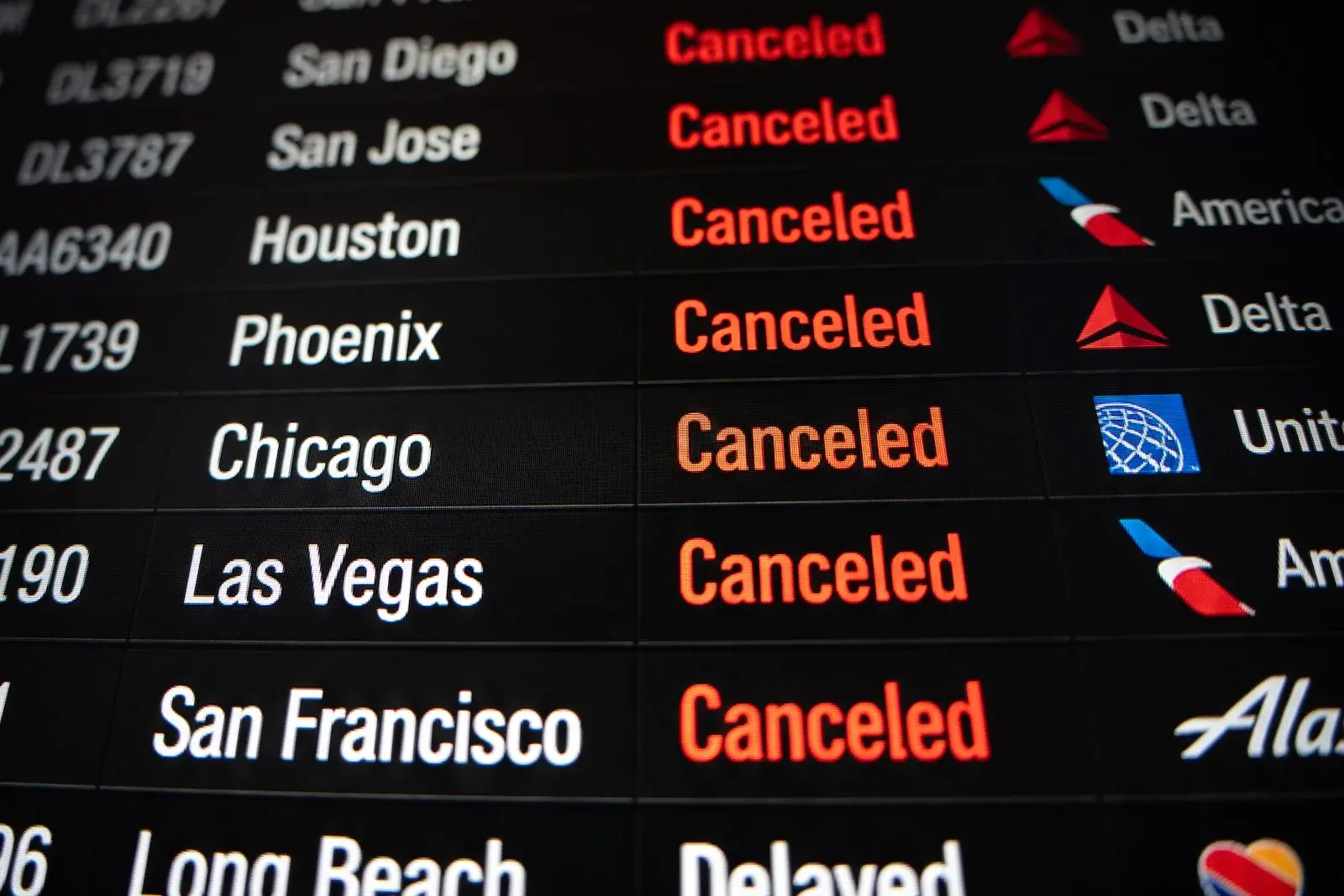
A nationwide Federal Aviation Administration ground stop halted all commercial flights across the United States on November 13, 2026. The suspension lasted over four hours, causing immediate chaos in major airports. Passengers faced severe delays and cancellations. Airport terminals filled with stranded travelers. Confusion spread rapidly among crews and ground staff. The incident marked a rare disruption to domestic aviation operations. Airlines scrambled to manage the sudden halt. Washington officials responded with mixed priorities. The event highlighted vulnerabilities in the nation's air traffic control system.
Latest news
 Aranui’s New Ship Arrives in the South Pacific
 Tunisia Prepares for Rare Solar Eclipse and Cultural Highlights
 Guam Visitors Bureau relaunches Håfa Adai Pledge with Ken Micronesia
 Air Travel Chaos: How TPG’s Experts Steer Travelers Through Flight Disruptions
The ground stop forced airlines to ground all aircraft instantly. This sudden halt disrupted schedules for thousands of flights. Passengers reported long waits and limited information from carriers. Airport authorities struggled to manage the surge of people. The FAA cited safety concerns as the primary reason for the order. No specific incident was publicly detailed in initial reports. Airlines incurred significant financial losses during the suspension. Crew duty times became a critical logistical issue. Many flights were canceled rather than delayed. The situation created a ripple effect across the industry.
Congressional leaders and tourism executives reacted sharply to the disruption. Tourism leaders emphasized the damage to the industry's reputation. They argued that reliability is essential for traveler confidence. Airlines pushed for immediate regulatory clarity. They sought guarantees against future arbitrary suspensions. Congress debated the underlying causes of the stop. Some lawmakers called for an independent investigation. Others focused on budgetary constraints for the FAA. The debate revealed deep divisions over aviation policy. Tourism groups warned of long-term economic impacts. They noted that international travelers might choose other destinations. The industry demanded a unified government response.
How Will This Affect Traveler Confidence?
The incident raised serious questions about system resilience. Travelers expressed frustration over lack of communication. Many social media posts highlighted the panic at airports. Airlines issued refunds for affected passengers. This policy added to their financial burden. The FAA promised a full review of the event. They stated that safety remains their top priority. However, critics argued that transparency was lacking. The four-hour duration seemed excessive to many observers. Experts suggested better contingency planning was needed. The event exposed gaps in crisis management protocols. Airlines are now reviewing their own emergency procedures. They aim to prevent similar future disruptions.
The aftermath of the ground stop continues to unfold. Airlines are working to restore normal operations. Passengers are still dealing with travel changes. The economic toll is being calculated by industry analysts. Congress may hold hearings in the coming weeks. Tourism leaders are monitoring booking trends closely. They fear a drop in domestic travel demand. The FAA faces pressure to explain its actions clearly. Public trust in aviation safety requires careful rebuilding. The industry hopes for a swift resolution. However, the incident has left lasting questions. Future policy decisions will likely be influenced by this event. The aviation sector remains on high alert.
Frequently Asked Questions
How long did the FAA ground stop last? The nationwide suspension of flights lasted for more than four hours. It began on November 13, 2026. All commercial air traffic was halted during this period.
What was the primary reason for the ground stop? The Federal Aviation Administration cited safety concerns as the main cause. Specific details regarding the incident were not immediately released. The agency emphasized that passenger safety is its highest priority.
How did airlines respond to the disruption? Airlines canceled many flights to manage crew limitations. They offered refunds to affected passengers. Carriers also worked to rebook travelers on later departures.