
Gulf Airports: A Battle for Aviation Supremacy
Can Curation Outshine Scale?
The world's busiest airport hubs in the Gulf are vying for dominance, with each converting sovereign wealth into a distinct national strategy. Saudi Arabia, the United Arab Emirates, and Qatar are investing heavily in their respective airports.
Latest news
 Delta Flight 2531 Forced to Declare Emergency After Passenger Disturbance
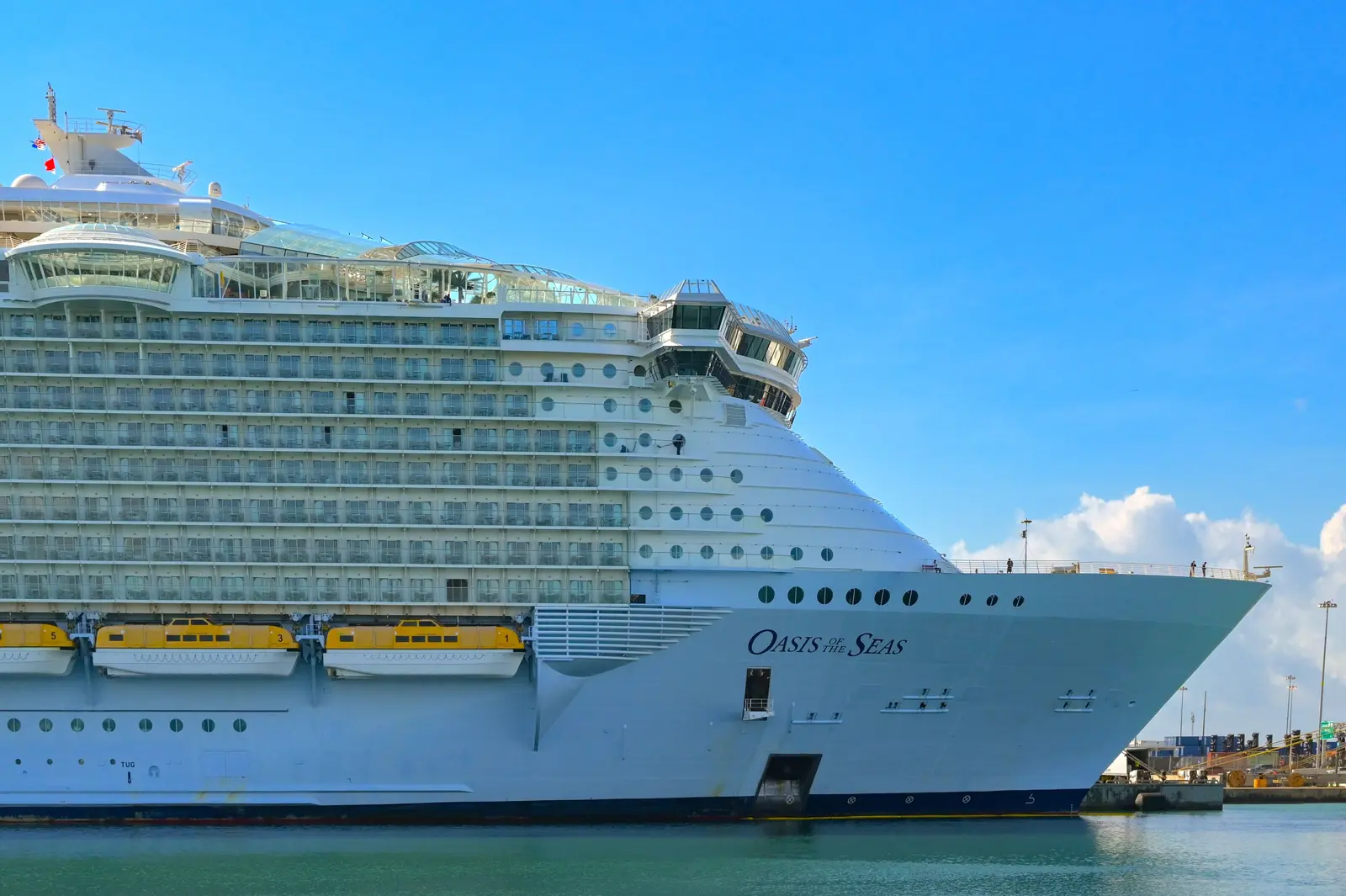 Royal Caribbean Cruise Diverts From Bahamas To Canada Amid Weather Concerns
 Chapel of Expiation: A Silent Witness to France’s Revolution
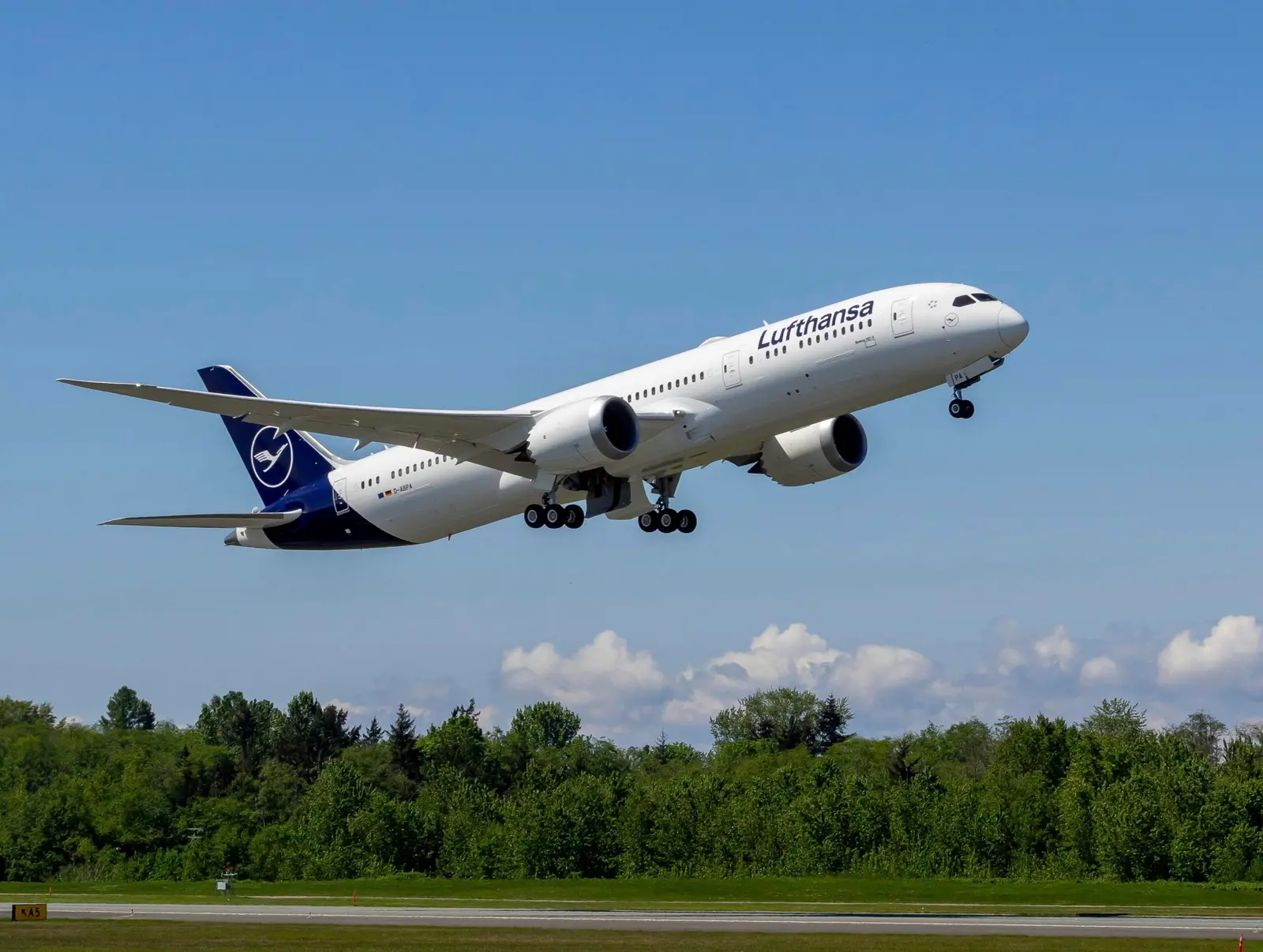 Lufthansa to Launch Columbus‑Frankfurt Direct Flights in 2027
These airports are more than just transportation hubs; they are multi-dimensional foreign policy documents showcasing the ambitions of their respective nations. The competition is driven by a desire to become the premier aviation hub in the region.
Dubai's airport has focused on curation, emphasizing luxury and a seamless travel experience. In contrast, larger airports like those in Saudi Arabia are betting on scale, with massive expansions planned. Qatar's Hamad International Airport has also prioritized a curated experience, investing in state-of-the-art facilities.
Is Bigger Always Better?
While scale can bring economies of scale, curation can provide a unique selling proposition. The success of these strategies will depend on various factors, including the ability to attract airlines and passengers.
The outcome of this battle for dominance will have significant consequences for the region's aviation industry and economy. As the competition intensifies, it remains to be seen which strategy will ultimately prevail.
Frequently Asked Questions
What drives the competition among Gulf airports? The competition is driven by a desire to become the premier aviation hub and showcase national ambitions. The airports are investing heavily in infrastructure and amenities.
How do the airports differ in their approaches? The airports differ in their approaches, with some focusing on scale and others on curation. This reflects the unique national strategies and priorities of their respective countries.
Can smaller airports compete with larger ones? Smaller airports can compete by focusing on niche areas, such as luxury and curated experiences, and differentiating themselves from larger rivals. This approach can attract high-end passengers and airlines.
Content written by Amelia Stone for travel-good.com editorial team, AI-assisted.