Jamaica Pushes Local Food Into Hotel Kitchens
Can Jamaican Cuisine Become a Global Brand?
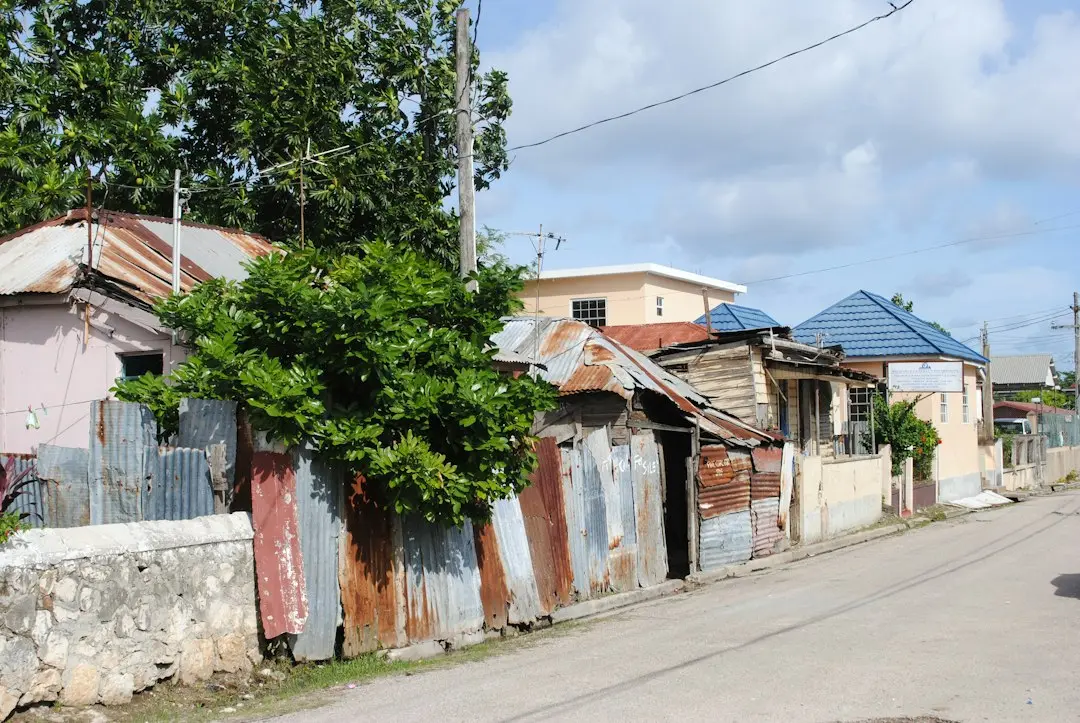
Jamaica's Tourism Minister Edmund Bartlett is urging the island's hospitality sector to source more locally grown produce. The initiative targets hotels and resorts that currently import a significant share of their ingredients. This move aims to boost local farmers while enhancing the authentic dining experience for visitors. The strategy links sustainable tourism with domestic agricultural development.
Latest news
 Cuthbert Ncube, Tourism Visionary, Passes Away; Africa Loses Key Leader
 Hilton Molino Stucky Venice Unveils Newly Re-designed Venetian Ballroom and Conference Centre
 The top things to know about MICHEL REYBIER Hospitality
 France's independent hotels earn the most per room in southern Europe
The push comes as Jamaica seeks to differentiate its tourism product. Many hotels rely on imported goods, which increases costs and carbon footprints. Bartlett's plan encourages procurement from local farms, fisheries, and processors. This creates a direct economic link between tourism revenue and rural livelihoods. It also ensures that the food served reflects genuine island flavors.
While domestic sourcing is the immediate goal, the longer-term vision is broader. Jamaican restaurants abroad serve jerk chicken, patties, and other specialties to international patrons. This global presence offers a platform for culinary diplomacy. The government sees food as a soft power tool. It can attract tourists who seek authentic tastes.
What Does This Mean for Local Farmers?
Jamaican cuisine carries cultural weight. Jerk seasoning, escabeche, and fresh coconut water are recognizable symbols. Promoting these dishes globally builds brand recognition. It positions the island as a destination for food lovers. This approach complements traditional beach and heritage tourism.
The initiative directly benefits small-scale producers. Hotels purchasing local goods provide stable demand. Farmers gain predictable income and market access. This reduces post-harvest losses. It also encourages investment in quality and consistency. The government hopes this will strengthen the agricultural sector.
Tourism and agriculture are now being treated as interconnected industries. The strategy aims to create a virtuous cycle. More tourists mean more demand for local food. More local food means better tourist experiences. This alignment supports sustainable economic growth.
Frequently Asked Questions
Will hotels be required to buy local? The government is encouraging, not mandating, local procurement. Incentives and partnerships are the primary tools. Compliance will likely be voluntary in the initial phase.
How will Jamaican restaurants abroad help tourism? They act as cultural ambassadors. By serving authentic dishes, they generate interest in visiting the island. This creates a pipeline of food-motivated travelers.
When will the local sourcing initiative launch? The program is in its early planning stages. Specific timelines depend on stakeholder agreements. Pilot projects may begin within the next fiscal year.