Japan Travel Safety After Nearby Earthquake: Tsunami Alerts Lowered
How the Downgrade Affects Tourist Plans
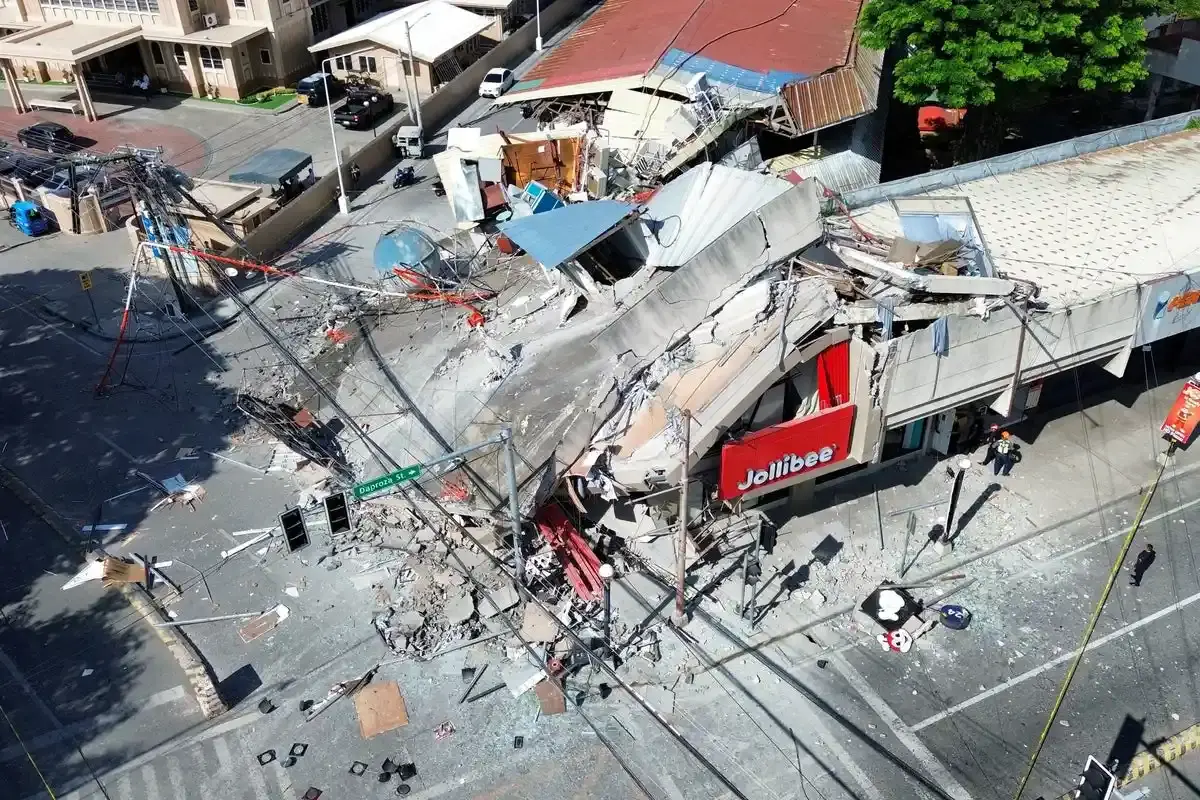
An 6.8‑magnitude quake struck offshore near the Philippines on Monday, prompting initial tsunami alerts for Japan’s western coast. Authorities in Tokyo downgraded the warnings by late afternoon, saying no significant waves were expected. The event raised concerns for tourists planning to visit Japan in the coming weeks.
Latest news
 Delta Flight 2531 Forced to Declare Emergency After Passenger Disturbance
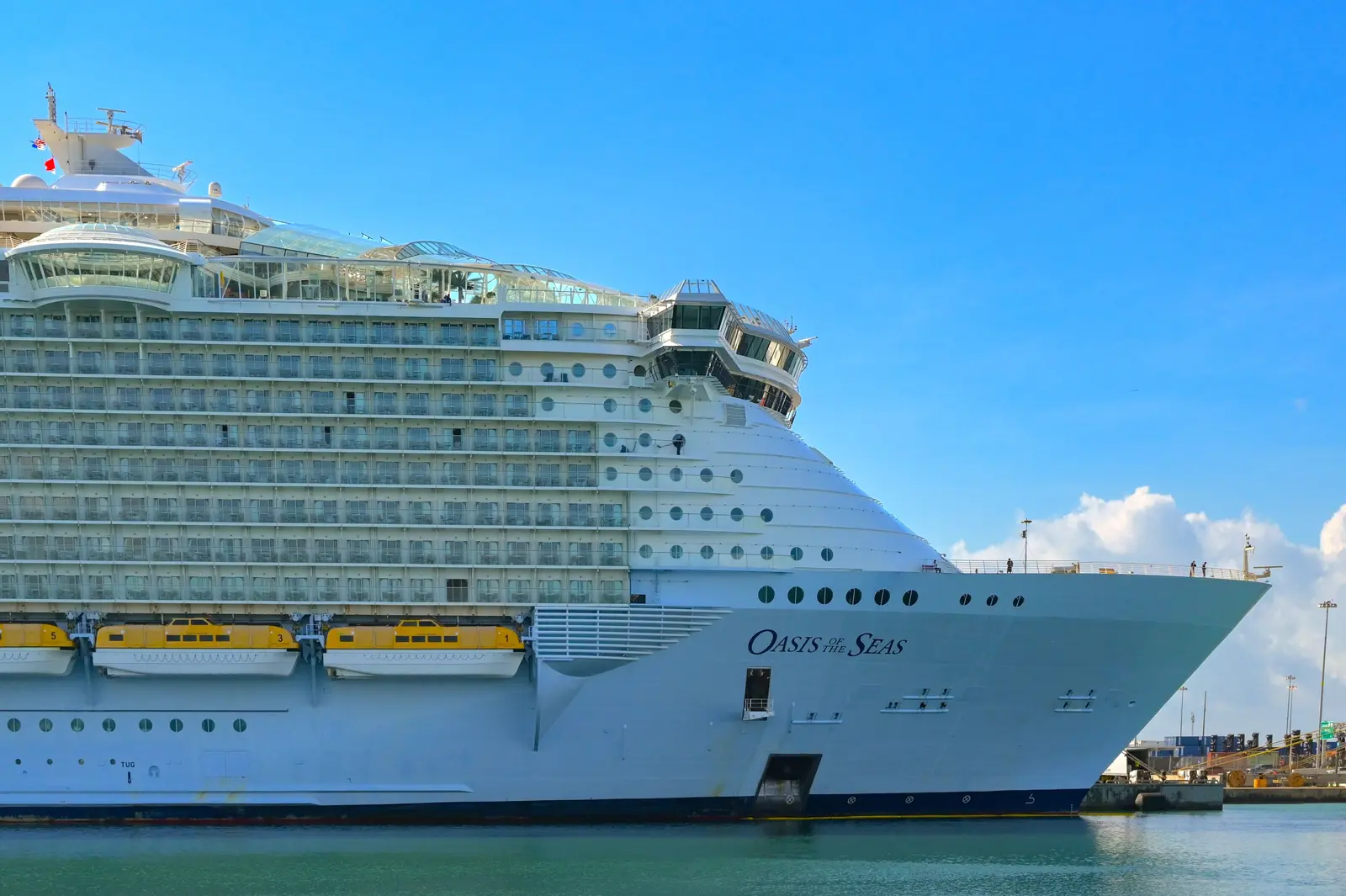 Royal Caribbean Cruise Diverts From Bahamas To Canada Amid Weather Concerns
 Chapel of Expiation: A Silent Witness to France’s Revolution
 Lufthansa to Launch Columbus‑Frankfurt Direct Flights in 2027
The tremor originated about 150 km southwest of Luzon, generating minor sea‑level fluctuations that reached Japan’s Kyushu region. Japanese agencies quickly issued and then rescinded alerts as data showed wave heights stayed below the 0.5‑meter threshold. The rapid response reflects improved regional monitoring and coordination after the 2011 disaster. Travel operators have updated their guidance, urging visitors to stay informed but not to cancel trips solely because of the quake.
Travel firms report that most hotels and attractions remain open, and transport services run on schedule. „We have not seen any disruption to flights or train services,” said a spokesperson for a major airline operating out of Tokyo’s Haneda Airport. Local authorities advise visitors to follow standard safety drills, keep mobile alerts active, and avoid coastal areas during any future advisories. The government also recommends registering travel plans with embassies for added support.
Will Visitors Feel Safer After the Alert Is Lifted?
Many travelers wonder whether the lowered warning restores confidence in Japan’s safety. Experts say the situation is stable, but they caution that seismic activity can recur in the Pacific Ring of Fire. „Japan’s emergency infrastructure is among the world’s most robust,” noted a senior seismologist at the University of Tokyo. He added that tourists should treat the quake as a reminder to stay vigilant, not as a reason to avoid the country entirely. The overall risk remains low for those who respect local guidance.
The downgrade signals that immediate danger has passed, yet the episode underscores the importance of real‑time information for travelers. Japan’s tourism board continues to promote the country’s cultural and natural attractions, emphasizing that safety measures are in place. As the region monitors aftershocks, visitors can expect normal operations to resume, with authorities ready to act if conditions change.
Frequently Asked Questions
Is it still safe to travel to Japan’s coastal areas? Yes, coastal zones are open, but tourists should heed any future alerts and avoid beaches during official warnings.
What should travelers do if a new tsunami warning is issued? Activate local emergency alerts, follow instructions from authorities, and move to higher ground or designated shelters immediately.
How can visitors stay updated on seismic activity? Use official apps from the Japan Meteorological Agency, subscribe to embassy notifications, and monitor reputable news outlets for the latest information.
Content written by Amelia Stone for travel-good.com editorial team, AI-assisted.