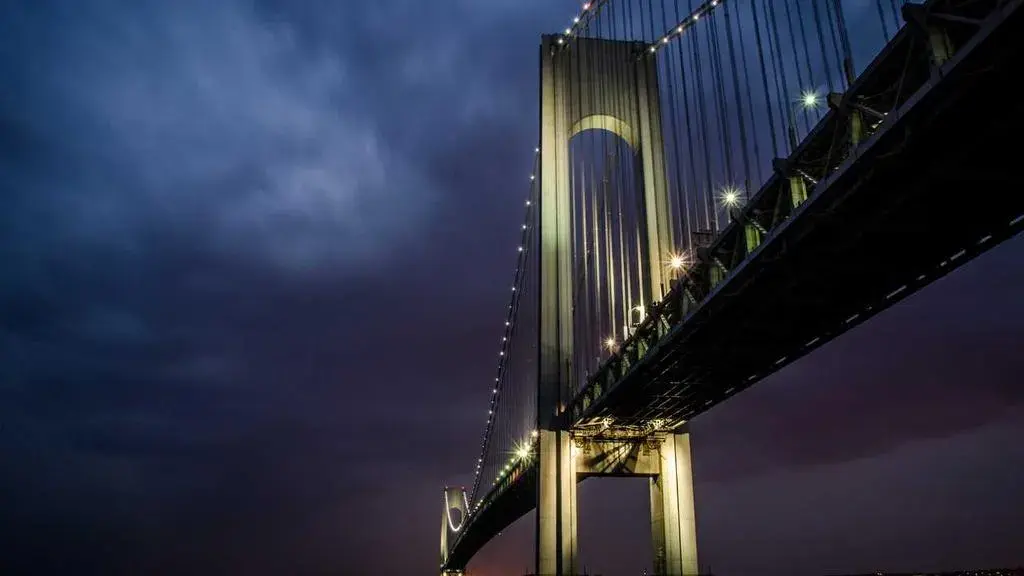
Queen’s Surf Beach: A Safe Haven for Hawaiʻi’s LGBTQ+ Māhū Community in the 1970s
Māhū, a traditional Hawaiian third-gender role, found particular significance
In the 1970s, Queen’s Surf Beach in Waikiki, Honolulu, emerged as a vital gathering place for members of Hawaiʻi’s LGBTQ+ Māhū communities. Located along the iconic Waikiki shoreline, this beach became more than just a spot to swim and sunbathe—it transformed into a sanctuary where individuals could express their identities freely. At a time when open discussions about sexual and gender diversity were rare across much of the United States, this stretch of sand offered a rare space of acceptance and solidarity. The beach stood out from other gay-friendly locations of the era due to its strong sense of community and cultural resonance. Unlike many segregated or hidden gay beaches elsewhere, Queen’s Surf Beach welcomed people openly, blending local Hawaiian values of aloha and inclusivity with the growing visibility of queer identities.
Latest news
 Delta Flight 2531 Forced to Declare Emergency After Passenger Disturbance
 Royal Caribbean Cruise Diverts From Bahamas To Canada Amid Weather Concerns
 Chapel of Expiation: A Silent Witness to France’s Revolution
 Lufthansa to Launch Columbus‑Frankfurt Direct Flights in 2027
Māhū, a traditional Hawaiian third-gender role, found particular significance here, as the beach allowed individuals to honor both their cultural heritage and gender expression without fear of judgment. Activists and organizers also used the space to connect, share resources, and lay groundwork for future advocacy efforts. How Did Queen’s Surf Beach Foster Early LGBTQ+ Organizing in Hawaiʻi? The informal networks formed at Queen’s Surf Beach played a quiet but powerful role in the early LGBTQ+ rights movement in Hawaiʻi. Conversations under the shade of banyan trees or during sunset gatherings often turned into discussions about civil rights, healthcare access, and legal protections. These grassroots connections helped build trust and mutual support long before formal organizations existed.
While no major protests were launched directly from the beach
While no major protests were launched directly from the beach, the relationships nurtured there contributed to a growing sense of collective identity and resilience among queer and Māhū residents. What Made This Beach Different From Other Gay Spaces of the Time? Unlike many gay beaches on the mainland, which were often isolated or policed, Queen’s Surf Beach benefited from its integration into the public Waikiki shoreline. Its visibility did not invite hostility; instead, it reflected a unique local tolerance rooted in Hawaiian concepts of acceptance and ohana (family). Visitors recalled feeling safe to hold hands, wear clothing that matched their gender identity, or simply exist without explanation. This atmosphere of everyday normalcy was revolutionary for the era and stood in contrast to the secrecy required elsewhere. Frequently Asked Questions Was Queen’s Surf Beach officially recognized as an LGBTQ+ space?
No, it was not formally designated but became known through word of mouth as a welcoming place for queer and Māhū individuals. Did the beach host any organized events? There were no large-scale events, but small gatherings and personal connections frequently occurred there. Is Queen’s Surf Beach still significant to the LGBTQ+ community today? While newer spaces have emerged, many elders and activists remember it as an early symbol of queer visibility and safety in Hawaiʻi.
Content written by James Walker for travel-good.com editorial team, AI-assisted.