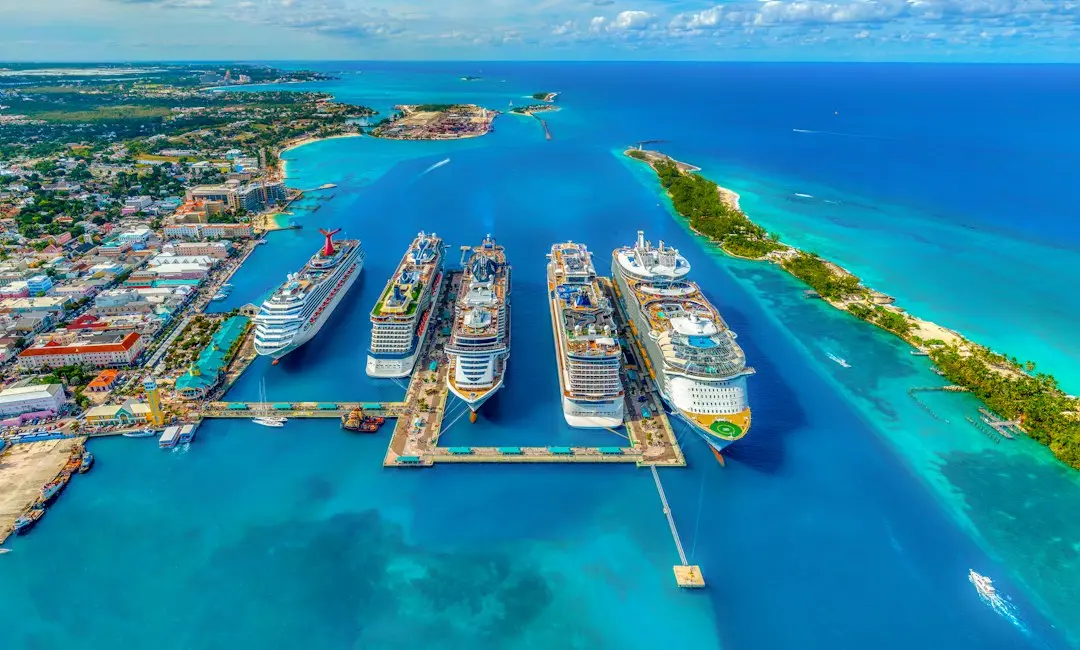
Royal Caribbean Swaps Nassau For Distant Mexican Port
Strategic Detour To Avoid Stormy Waters
Royal Caribbean International diverted the Utopia of the Seas away from the Bahamas. The ship departed on Monday for a scheduled Caribbean cruise. Instead of docking in Nassau, the vessel turned 650 miles in the other direction. Passengers now face a five-hour stop in Mexico. This decision marks a significant shift from recent patterns of cold-weather diversions.
Latest news
 Cuthbert Ncube, Tourism Visionary, Passes Away; Africa Loses Key Leader
 Hilton Molino Stucky Venice Unveils Newly Re-designed Venetian Ballroom and Conference Centre
 The top things to know about MICHEL REYBIER Hospitality
 France's independent hotels earn the most per room in southern Europe
The cruise line has faced criticism for replacing warm island stops with Canadian ports. Many travelers booked these trips expecting tropical weather. Recent itineraries often saw ships heading to Halifax or other northern locations. This move frustrated guests who paid for sun and sea. The Utopia of the Seas crew cited adverse weather conditions in the Bahamas as the primary reason for the change.
The decision to avoid Nassau was driven by safety concerns. Meteorological data indicated poor conditions in the Bahamian waters. Royal Caribbean chose a Mexican port that was 650 miles away from the original destination. This distance required significant fuel and time adjustments. The ship’s new route bypassed the troubled area entirely.
Why This Change Matters For Future Bookings
Passengers were notified of the change prior to the diversion. The company emphasized that passenger safety remains the top priority. The five-hour stop in Mexico offers a brief respite. It allows guests to explore local culture and cuisine. While not a full-day port, it provides a warm alternative to Canadian cold.
This incident highlights the logistical challenges of modern cruising. Weather patterns are becoming increasingly unpredictable. Cruise lines must make split-second decisions to protect their fleets. The Utopia of the Seas is a large vessel with thousands of passengers. Any deviation from the planned itinerary requires careful coordination. The crew worked quickly to adjust the ship’s course.
Travelers are watching closely as the industry adapts to climate shifts. The recent trend of Canadian diversions has eroded trust. Many customers feel misled when warm-weather promises are broken. This latest move to Mexico may help restore some confidence. It shows the company is willing to seek alternatives within the Caribbean basin.
However, the long-term outlook remains uncertain. Climate change is affecting weather patterns globally. Cruise lines are investing in more flexible routing systems. They are also developing better communication strategies for guests. The Utopia of the Seas incident serves as a case study. It demonstrates the balance between safety and customer satisfaction.
Frequently Asked Questions
The industry faces pressure to maintain reliability. Passengers expect consistency in their travel experiences. Weather-related disruptions are becoming more common. Companies must find ways to mitigate these risks. This includes offering credits or alternative activities. The goal is to ensure that unexpected changes do not ruin the vacation.
Why did the Utopia of the Seas avoid Nassau? Bad weather in the Bahamas forced a reroute. The ship moved 650 miles to a safer Mexican port.
How long is the new port stop? The vessel will remain in Mexico for five hours. This is shorter than a typical full-day port call.