
Skyscanner Launches Self‑Transfer Fares, Letting Travelers Mix Airlines Without Losing Loyalty Points
How Self‑Transfer Fares Work
Skyscanner announced a new „self‑transfer” fare option on July 10, 2026, allowing customers to combine flights from separate airlines into a single reservation. The feature targets frequent flyers who want to explore unconventional routing while preserving airline‑earned miles and status. The service rolls out globally through Skyscanner’s web and mobile platforms.
Latest news
 Delta Flight 2531 Forced to Declare Emergency After Passenger Disturbance
 Royal Caribbean Cruise Diverts From Bahamas To Canada Amid Weather Concerns
 Chapel of Expiation: A Silent Witness to France’s Revolution
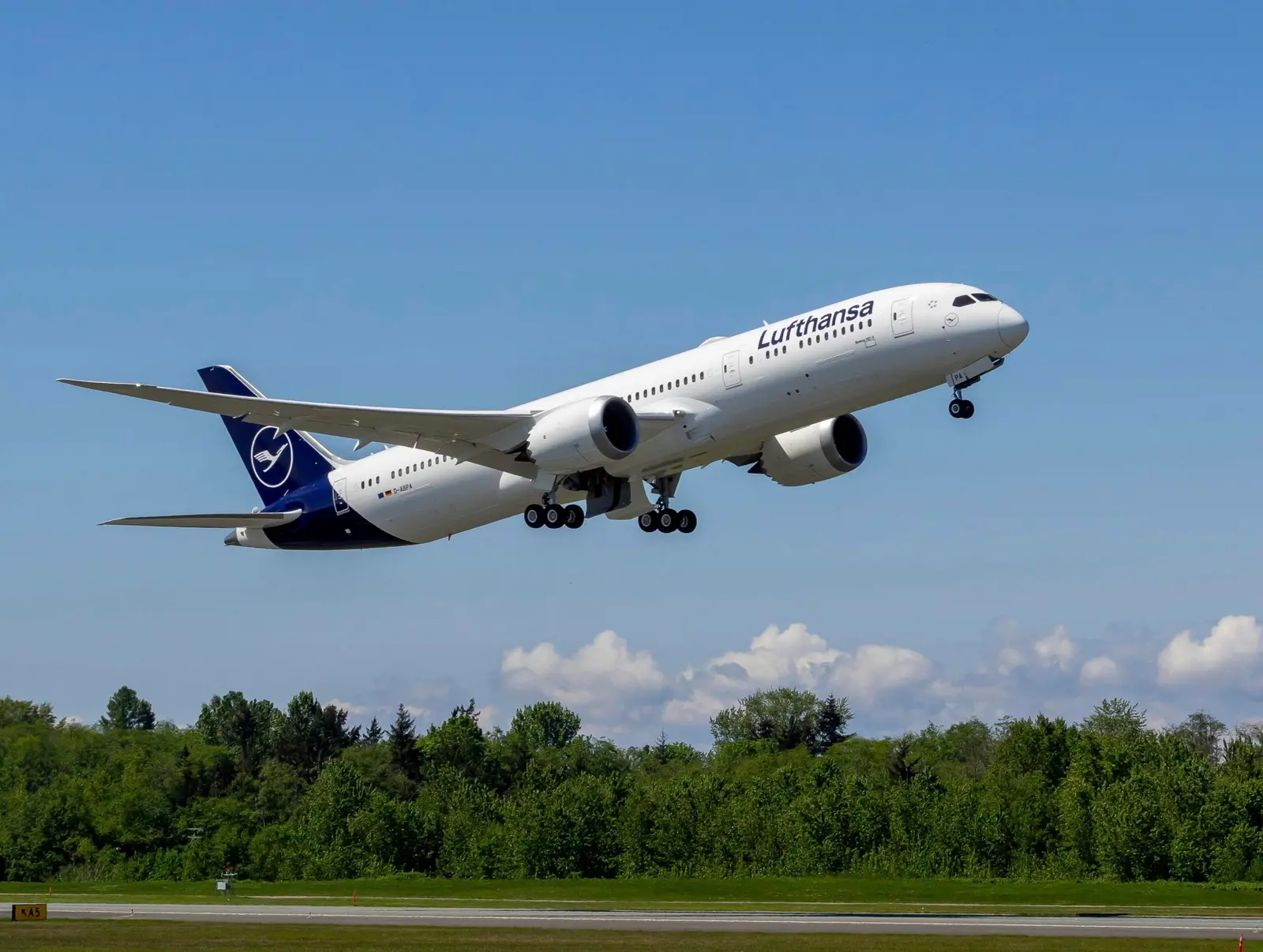 Lufthansa to Launch Columbus‑Frankfurt Direct Flights in 2027
The self‑transfer model stitches together two independent tickets, creating a seamless itinerary that appears as one booking in the user’s account. By handling the connection internally, Skyscanner reduces the risk of missed connections and eliminates the need for travelers to manage multiple reservations manually. The approach also promises to keep loyalty accrual intact, a common pain point when booking mixed‑carrier trips.
When a user selects a self‑transfer option, Skyscanner’s engine searches for compatible flights across different airlines that meet the traveler’s timing and price criteria. Once a pair is identified, the platform issues a single confirmation that includes both legs, even though each leg is operated by a distinct carrier. The system automatically records the flight details with each airline’s loyalty program, ensuring that miles and status credits are awarded as if the journey were booked directly with each carrier. Travelers receive a unified itinerary, boarding passes, and customer support through Skyscanner, simplifying the experience.
Can Travelers Keep Their Loyalty Benefits?
Industry observers note that the biggest hurdle for mixed‑carrier itineraries has been the loss of loyalty points when flights are booked separately. Skyscanner’s self‑transfer fares address this by flagging each segment with the appropriate loyalty identifiers at the moment of purchase. As a result, frequent‑flyer accounts receive the same credit they would from a direct booking, preserving elite status qualifications and redeemable miles. The feature also sidesteps the „no‑show” penalties that can arise when airlines view separate tickets as unrelated. Early user feedback suggests that the ability to protect loyalty earnings is driving adoption among seasoned travelers.
The introduction of self‑transfer fares could reshape how airlines compete for multi‑carrier itineraries, pushing competitors to offer more flexible loyalty integrations. Skyscanner expects the service to attract both price‑sensitive travelers and those who prioritize reward accumulation, potentially expanding the market for complex routing options. As the model gains traction, other booking platforms may develop similar solutions, further blurring the lines between airline silos.
Frequently Asked Questions
What is a self‑transfer fare? It is a Skyscanner‑offered booking that links two independent flights from different airlines into one reservation, while maintaining loyalty program eligibility for each segment.
Do I need to check in twice? Yes, travelers must check in with each airline for their respective legs, but Skyscanner provides a single itinerary and support channel to streamline the process.
Will I still earn miles on both flights? If the airlines support mileage credit for the booked class, Skyscanner records the necessary loyalty identifiers, allowing you to earn miles on each segment as usual.
Content written by Amelia Stone for travel-good.com editorial team, AI-assisted.