Spirit Airlines' LaGuardia Slot Auction Sparks Dispute with Port Authority
Port Authority Challenges Spirit's Right to Sell Slots
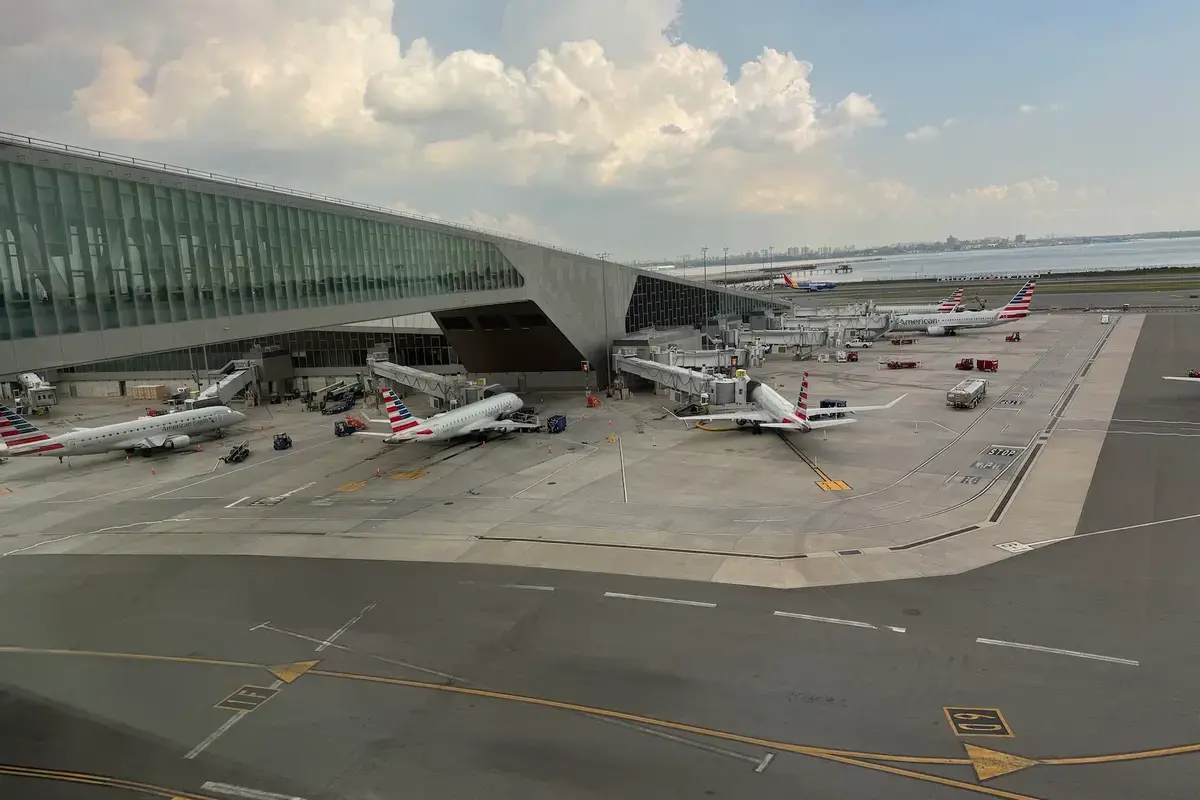
New York’s LaGuardia Airport operator, the Port Authority, says Spirit Airlines cannot sell its landing and take‑off rights. The bankrupt carrier, which halted flights on May 2, plans to auction 22 slots on July 9, hoping to raise at least $87 million.
Latest news
 Phu Quoc: Vietnam’s Premier Tropical Island Escape
 Finding the Best Neighborhoods to Stay in Peru’s Coastal Capital
 Bomb Threat Diverts Tel Aviv Flight to Sofia
 Tracing Ancient Footsteps Through the Yucatán Wilderness
Spirit’s bankruptcy trustees view the slots as valuable assets that could help satisfy creditors. The airline’s plan is to bundle the rights into a single sale, inviting airlines and investors to bid. The Port Authority, however, argues that the slots belong to the airport and cannot be transferred without its approval. The disagreement raises questions about the legality of the upcoming auction and the future of the coveted time slots at a congested hub.
Port Authority officials contend that slot ownership is tied to the airport’s operating certificate, not the airline’s balance sheet. „The authority retains control over all allocation and transfer of slots at LaGuardia,” a spokesperson said. Under federal aviation rules, an airline may only surrender or transfer slots with the airport’s consent. The agency warns that any sale without approval could be voided by the court. Legal experts note that bankruptcy courts often allow asset sales, but they must respect existing regulatory frameworks. The Port Authority has indicated it will seek an injunction if the auction proceeds without its sign‑off.
Will the July 9 Auction Proceed Amid Legal Uncertainty?
The trustees argue that the auction is a legitimate bankruptcy‑court‑approved transaction. They cite precedent where airlines have sold slots to raise cash for creditors. Potential buyers include major carriers looking to expand their presence at LaGuardia, a market known for limited gate space and high demand. If the auction goes ahead, the $87 million price tag could set a benchmark for future slot sales nationwide. Yet the Port Authority’s challenge could delay or cancel the event, forcing the trustees to renegotiate the terms or seek a court ruling before the scheduled date.
The outcome will affect not only Spirit’s bankruptcy estate but also the broader airline industry’s view of slot trading. A successful sale could unlock liquidity for distressed carriers, while a blocked auction might reinforce airport control over slot allocations. Both sides are preparing for a legal showdown that could reshape how valuable airport capacity is bought and sold.
Frequently Asked Questions
What are airport slots? Slots are specific time windows that allow an airline to land or take off at an airport. They are limited at busy hubs like LaGuardia and can be bought, sold, or transferred under regulatory oversight.
Can an airline sell slots without airport approval? Generally, no. Federal rules require airport authorities to approve any transfer of slots. A bankruptcy court may permit a sale, but it must still comply with those regulations.
What could happen if the auction is halted? If the auction is stopped, Spirit’s trustees may need to find alternative ways to liquidate assets, possibly extending the bankruptcy process. The Port Authority would retain full control over the slots, preserving current allocation plans.
Content written by James Walker for travel-good.com editorial team, AI-assisted.