
The Strategic Blueprint Behind the Success of Cancún
Prioritizing Market Demand Over Infrastructure
Fifty years after its inception, the Mexican resort city of Cancún remains a global benchmark for tourism development. Unlike many modern destinations that struggle to attract visitors, Cancún thrived because planners prioritized market research over construction. By identifying traveler demand before laying a single brick, Mexico created a sustainable model for the industry.
Latest news
 Delta Flight 2531 Forced to Declare Emergency After Passenger Disturbance
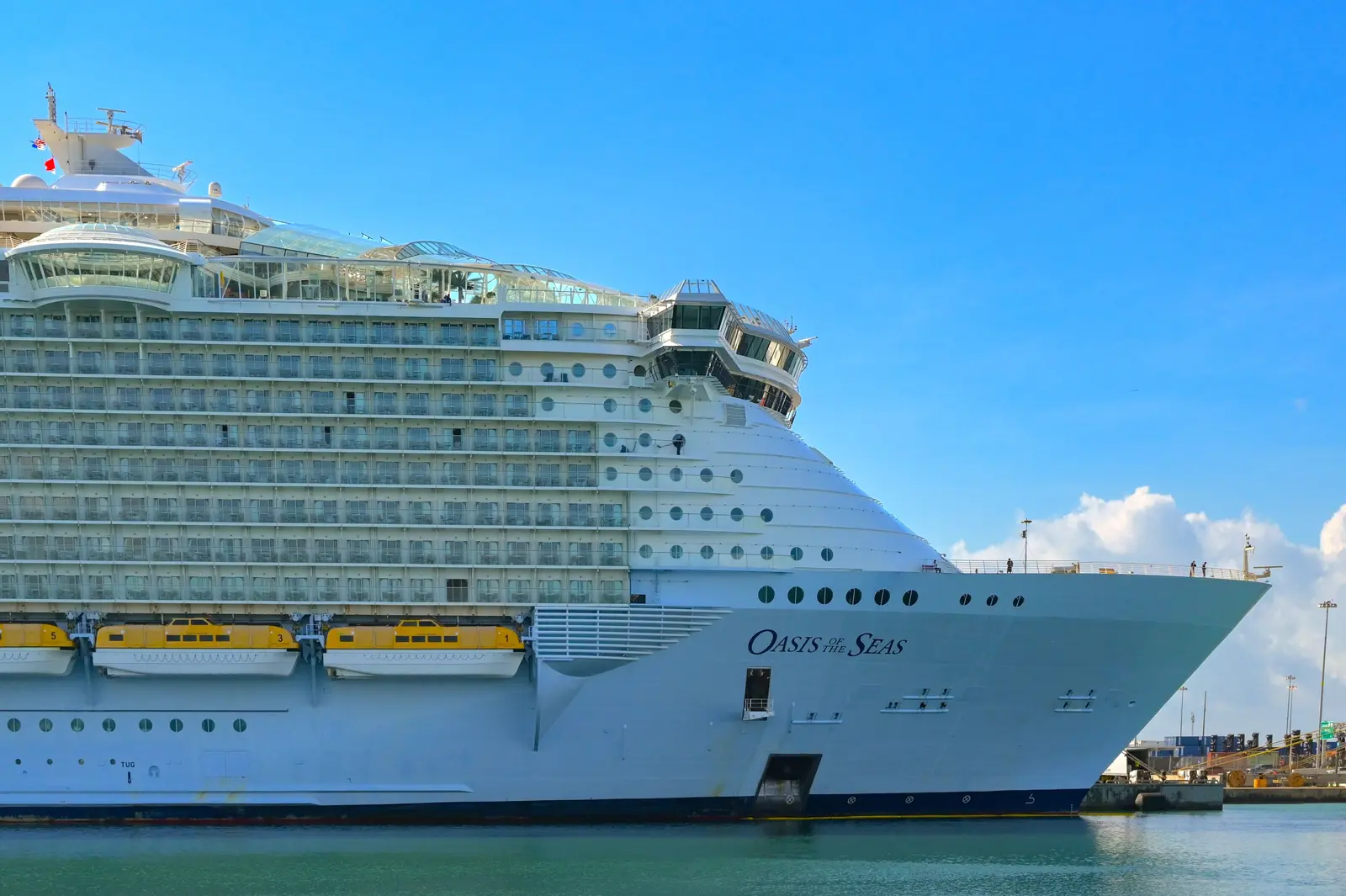 Royal Caribbean Cruise Diverts From Bahamas To Canada Amid Weather Concerns
 Chapel of Expiation: A Silent Witness to France’s Revolution
 Lufthansa to Launch Columbus‑Frankfurt Direct Flights in 2027
Planners began by analyzing global tourism trends to ensure the location would appeal to international travelers. They treated the destination as a product, meticulously designing the infrastructure to meet specific market needs. This reversed the common mistake of building resorts first and hoping tourists would eventually arrive.
The success of the Cancún project relied on a disciplined, phased approach. Developers focused on clear accessibility, modern amenities, and a cohesive vision that integrated natural beauty with commercial viability. This foresight allowed the region to scale effectively as global interest in beach tourism exploded during the late twentieth century.
Can Modern Destinations Replicate the Cancún Model?
Many regions attempting to replicate this model have failed by ignoring the foundational research that defined the Cancún strategy. They often prioritize real estate development without establishing a clear identity or understanding the target demographic. Consequently, these copycat projects frequently suffer from low occupancy rates and poor long-term economic returns.
The primary challenge for new developments is the shift in traveler behavior toward authentic, local experiences. While Cancún succeeded by creating a controlled, high-end environment, today’s tourists often seek spontaneity and cultural immersion. Planners must now balance the need for reliable infrastructure with the growing demand for unique, non-manufactured travel moments.
Frequently Asked Questions
Ultimately, the enduring lesson of Cancún is that tourism success is not accidental. It requires a marriage of rigorous economic planning and an acute understanding of the traveler’s psyche. As the industry evolves, the ability to anticipate market shifts remains the most valuable asset for any destination developer.
Why did Cancún succeed where other resorts failed? Cancún succeeded because planners identified market demand before beginning construction. This ensured that the resort infrastructure was built specifically to serve the needs of incoming travelers.
What is the biggest mistake made by modern resort developers? Many developers build expensive facilities without first establishing a clear market strategy. This often leads to projects that lack a distinct identity and fail to attract a sustainable flow of visitors.
Content written by Sophie Chen for travel-good.com editorial team, AI-assisted.