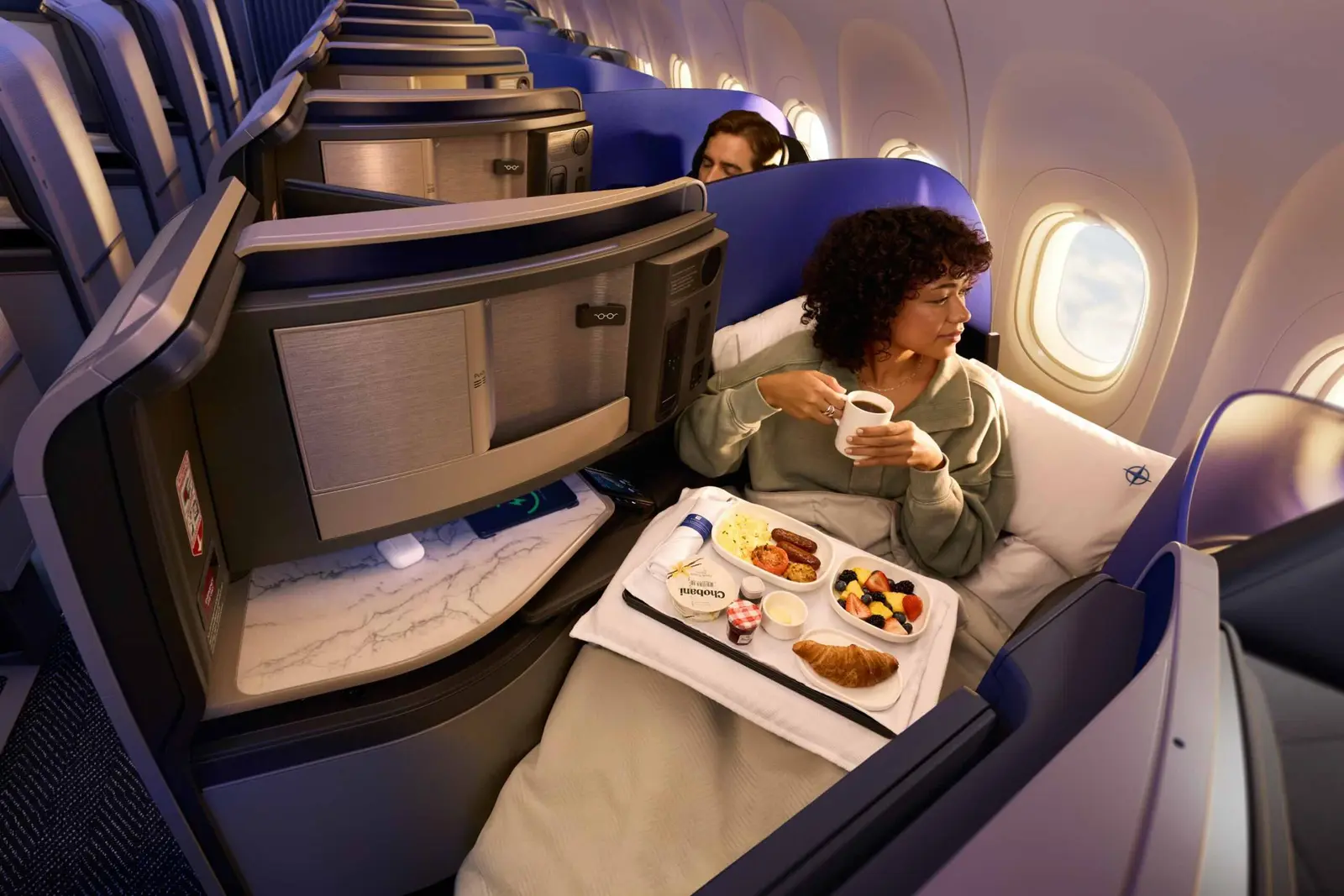
United Airlines Confirms Premium Fare Strategy Is Delivering Results
How Fare Restructuring Drives Revenue Growth
United Airlines has publicly confirmed that its basic business class strategy is working. The carrier reports that passengers are upgrading to higher-priced premium fares at very high rates. This shift validates the airline's decision to strip benefits from its cheapest tickets. The move aims to push travelers toward more expensive options.
Latest news
 France's independent hotels earn the most per room in southern Europe
 Stay22 Marks a Decade with Over $2 Billion in Travel Bookings Powered by Its Platform
 Historic Killarney Hotel Joins Elite Blue Book Collection
 Bahia Principe Prepares December Reopenings
The core of the strategy involves removing perks from the lowest fare tier. By making the basic ticket less attractive, United hopes to nudge customers toward premium classes. The airline states that this approach is successfully increasing revenue per passenger. It also signals that further expansions of this model are planned for the future.
United's method relies on a simple economic principle: scarcity and reduced value at the bottom tier force upgrades. When the cheapest option offers fewer amenities, price-sensitive travelers still buy, but many choose to pay more for comfort. This creates a higher average fare per seat. The airline notes that this tactic is part of a broader industry trend toward tiered pricing.
Will This Model Become the Industry Standard?
The strategy also allows United to manage capacity more effectively. By controlling how many basic seats are sold, the carrier can optimize load factors. This approach has been tested on select routes before being expanded. United emphasizes that passenger acceptance has exceeded internal projections.
Analysts are watching closely to see if other carriers copy the playbook. The success of United's premium fare push could reshape how airlines structure their product offerings. If competitors follow suit, the basic economy segment may shrink significantly. This would leave travelers with fewer low-cost options.
The long-term outlook suggests a permanent shift in air travel pricing. Airlines are moving away from flat pricing toward dynamic, tiered models. United's confirmation that the strategy is working removes doubt about its viability. The carrier plans to keep refining and expanding this approach.
Frequently Asked Questions
Is United removing all basic economy seats? No, the airline is not eliminating the tier entirely. It is reducing the benefits attached to the cheapest fare to make it less appealing. This encourages passengers to pay for premium classes.
How much revenue increase has United seen? United reports that passengers are buying premium fares at very high rates. The exact dollar figure was not disclosed in the initial announcement. The key metric is the high conversion rate to pricier tickets.
Will other airlines adopt this strategy? Industry observers expect competitors to evaluate similar models. United's success provides a proof of concept for tiered pricing. The approach may become a standard practice across major carriers.