
Why More Couples Are Skipping Luxury Vacations For Trips That Actually Bring Them Closer
For some couples, the concept
Redefining Joy: To Authentic Experiences, Not Just the Material Luxury of Couple Travel
Latest news
 The Most Spectacular New Hotels Around the World
 AI, data, and human connection shape the traveler experience in 2027
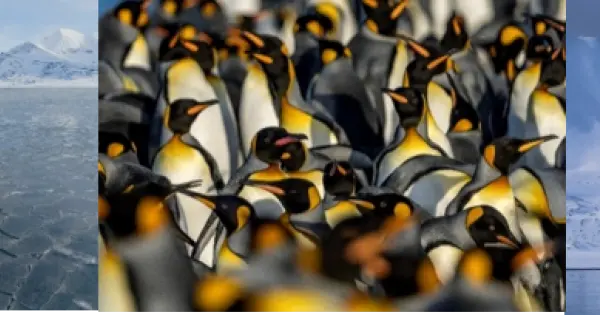 Secret Atlas Reports 32% Rise in Arctic Bookings for 2027
 Black Friday Rush: From Train Platform to Parisian Department Stores in Ten Minutes
A perfect image, one that can be admired beyond repair on social media platforms, often presents an unparalleled holiday scene. The beachfront suites are spectacular, the infinite pools seem to stretch out to infinity, and the tables are served under high-fashioned chandeliers, with costs no one wants to reveal. Everything is impeccable, expensive and meticulously arranged to create a supreme romantic getaway. However, between the champagne breakfast and the couples' massage, an unpleasant finding may arise. You've traveled hundreds or even thousands of miles together, you've spent a considerable amount, but you've managed to connect only superficially, just discussing the next place to eat.
For some couples, the concept of a romantic getaway no longer depends on the grandeur of the accommodation, but rather on the interactions that occur between two people as they leave their usual routine. Instead of pursuing five-star accommodation, they seek shared adventures, uninterrupted dialogue, and memorable moments that give them new perspectives on their partner. The result is a different approach to couples travel, where the most valuable souvenir is not an item purchased abroad, but a relationship that seems stronger on the way home. And surprisingly, these meaningful experiences cost much less than traditional luxury vacations.
There is a clear trend in society: idealizing the holiday through the lens of digital imagery. This visual spectacle, though attractive, often hides a less profound reality. When we focus exclusively on material luxury - fine linen, exceptional cooking, or someone taking care of all the details for a few days - we run the risk of confusing comfort with genuine connection. The problem arises when comfort becomes the sole purpose of the journey. Think about how many holidays revolve around improving existing habits at home, whether it's sleeping in a better bed, eating more elaborate meals, or relaxing in a more spectacular place. While these experiences can bring peace, peace is not the equivalent of emotional connection. A couple can spend a week in an exceptional resort without learning anything new about each other.
For couples who have spent years balancing
They can come back rested and lightly sunburned, but keeping the same relational dynamics they left behind.
For couples who have spent years balancing careers, family responsibilities, and an endless stream of obligations, the opportunity to reconnect is worth more than just a change of scenery. Here comes the experience-driven journey, offering something fundamentally different. Instead of putting your destination or accommodation in the spotlight, your vacation becomes an opportunity to rediscover the person you're traveling with.
One of the biggest challenges to a long-term relationship is getting used to it. You know how your partner drinks your coffee, what movie he chooses on a rainy night, and the exact answer to a bad load of dishwasher. This familiarity provides stability and comfort, but it can also lead to suffocating predictability. Travel has the ability to disrupt this routine, placing couples in unexpected situations in their environment. Can you imagine sailing with a kayak through a quiet coastal island, taking a cooking class where no one recognizes half the ingredients, or climbing a mountain to an observation point that you're not sure you'll reach? Suddenly, you begin to see aspects of someone you think you know perfectly. Maybe the partner, usually held, proves surprisingly brave on the water.
Or a person who is frustrated with assembling furniture at home may display remarkable patience in navigating an unfamiliar metropolis. These small discoveries are vital because they replace automatic expectations with fresh, fresh prospects. Relationship researchers have investigated how engaging in exciting new activities contributes to relational satisfaction, in part by generating opportunities for excitement, cooperation and personal development. The adventure itself doesn't have to be extreme or physically exhausting; trying something unusual together can transform the way a couple interact and can create a unique memory for them.
Even a slight discomfort can generate more valuable memories. No one book a vacation with the intention of having difficulty, but many of the most memorable travel stories start with something that doesn't go according to plan. The road is mudder than expected, the weather changes in the middle of a boat trip, or a misunderstanding of direction turns a short hike into an exploration