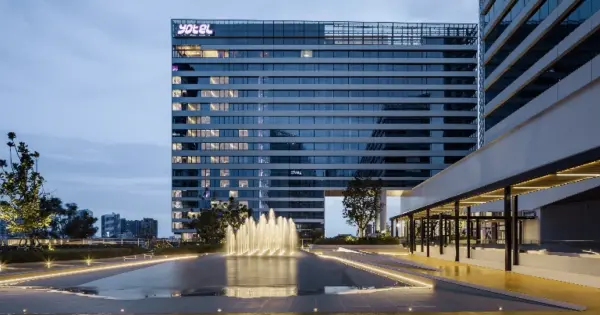
YOTEL Announces Major Push into Asia‑Pacific Markets
YOTEL’s Blueprint for „Micro‑Luxury” in the East
YOTEL, the design‑focused, technology‑driven hotel chain, unveiled plans this week to roll out a series of new properties across Asia‑Pacific. The expansion targets bustling gateway cities such as Singapore, Bangkok, Sydney and Tokyo, aiming to capture a growing segment of mobile international travelers who prioritize convenience, connectivity and affordable, stylish accommodation.
Latest news
 Cuthbert Ncube, Tourism Visionary, Passes Away; Africa Loses Key Leader
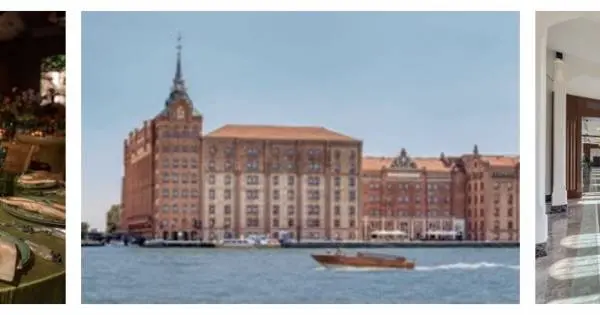 Hilton Molino Stucky Venice Unveils Newly Re-designed Venetian Ballroom and Conference Centre
 The top things to know about MICHEL REYBIER Hospitality
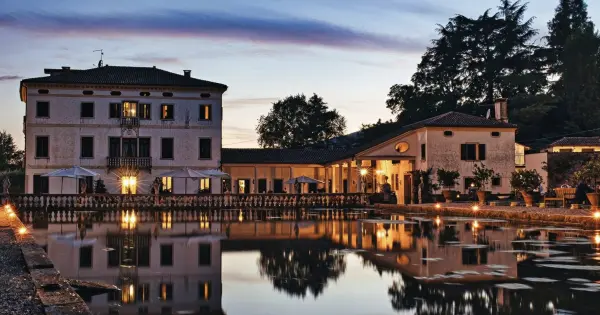 France's independent hotels earn the most per room in southern Europe
The brand’s leadership says the move responds to a surge in demand from younger, tech‑savvy guests who seek „smart” rooms equipped with high‑speed Wi‑Fi, self‑check‑in kiosks and modular furniture that can be reconfigured for work or leisure. YOTEL’s expansion strategy builds on its recent successes in Europe and North America, where the chain has differentiated itself through compact, efficiently designed spaces and a focus on digital services. Analysts note that the Asia‑Pacific region, with its rising middle class and increasing outbound tourism, offers fertile ground for YOTEL’s value‑led model.
YOTEL plans to open at least ten new hotels in the region over the next five years, each featuring the brand’s signature „cabins” – compact rooms that maximize space through built‑in storage and multifunctional furniture. The chain will also introduce its „YOTEL Hub” concept, a communal area that blends co‑working desks, lounge zones and a 24‑hour food‑and‑drink counter. „Our guests want the freedom to work, relax and explore without the hassle of traditional hotel layouts,” said a YOTEL spokesperson. The company expects each new property to generate an average occupancy rate of 80 percent within the first year, driven by partnerships with airlines and travel platforms that target millennial and Gen‑Z travelers.
Will YOTEL Disrupt Traditional Hotel Models in Asia‑Pacific?
Local market research indicates that travelers in the region spend up to 30 percent less on accommodation when they can access digital check‑in and room‑control features via a mobile app. YOTEL’s technology stack, which includes keyless entry, automated climate control and AI‑powered concierge services, is designed to meet these expectations while keeping operational costs low. The brand also plans to source sustainable materials for its furniture and adopt energy‑saving systems to align with growing environmental concerns among Asian consumers.
Industry observers are watching to see if YOTEL can replicate its disruptive impact in a market dominated by established hotel chains and a burgeoning boutique sector. The chain’s emphasis on compact, tech‑centric rooms challenges the conventional notion that larger spaces equate to better value. Critics argue that the „micro‑luxury” model may not suit all traveler preferences, especially families or business groups needing more space. However, YOTEL counters that its modular design can be customized, and its pricing strategy aims to undercut premium hotels while offering comparable amenities.
Early pilot projects in Hong Kong and Kuala Lumpur have shown promising results, with guest satisfaction scores exceeding 4.5 out of 5. The brand’s ability to scale these concepts across diverse regulatory environments will be a key test. If successful, YOTEL could force traditional operators to accelerate their own digital transformations and rethink room layouts to stay competitive.
The expansion signals a broader shift in hospitality toward technology‑enabled, space‑efficient designs that cater to a generation accustomed to on‑demand services. YOTEL’s aggressive rollout may reshape guest expectations in Asia‑Pacific, prompting other brands to adopt similar models or risk losing market share. As the chain opens its doors across the region, travelers can anticipate more streamlined check‑ins, smarter rooms and a fresh take on affordable urban lodging.
Frequently Asked Questions
What distinguishes YOTEL’s rooms from typical hotel rooms? YOTEL’s „cabins” are compact, modular spaces equipped with built‑in storage, smart controls and a focus on digital self‑service, delivering a high‑tech experience in a smaller footprint.
Which cities will host the first YOTEL openings in Asia‑Pacific? The initial properties are slated for Singapore, Bangkok, Sydney and Tokyo, with additional locations planned in Hong Kong, Kuala Lumpur and Manila over the next few years.
How does YOTEL address sustainability in its new hotels? The brand commits to using recycled materials for furniture, installing energy‑efficient lighting and climate systems, and reducing water usage through smart fixtures across all new properties.