Why Late Fall Is Quickly Becoming The Best Time To Visit Maui For Americans On A Budget
The Cost‑Cutting Edge: How Travelers Are Saving
Maui, Hawaii’s second‑largest island, is attracting budget‑savvy travelers this late fall. The island’s peak summer season has ended, leaving quieter streets, lower prices, and a more relaxed atmosphere for visitors. Many Americans are choosing to fly in during September and October, when airfare and accommodation rates drop significantly.
Latest news
 Expedia Group Acquires Kiwi.com to Expand European Flight Sales
 Atlas Ocean Voyages Lets Guests Choose Hull Color for New Sailing Yacht
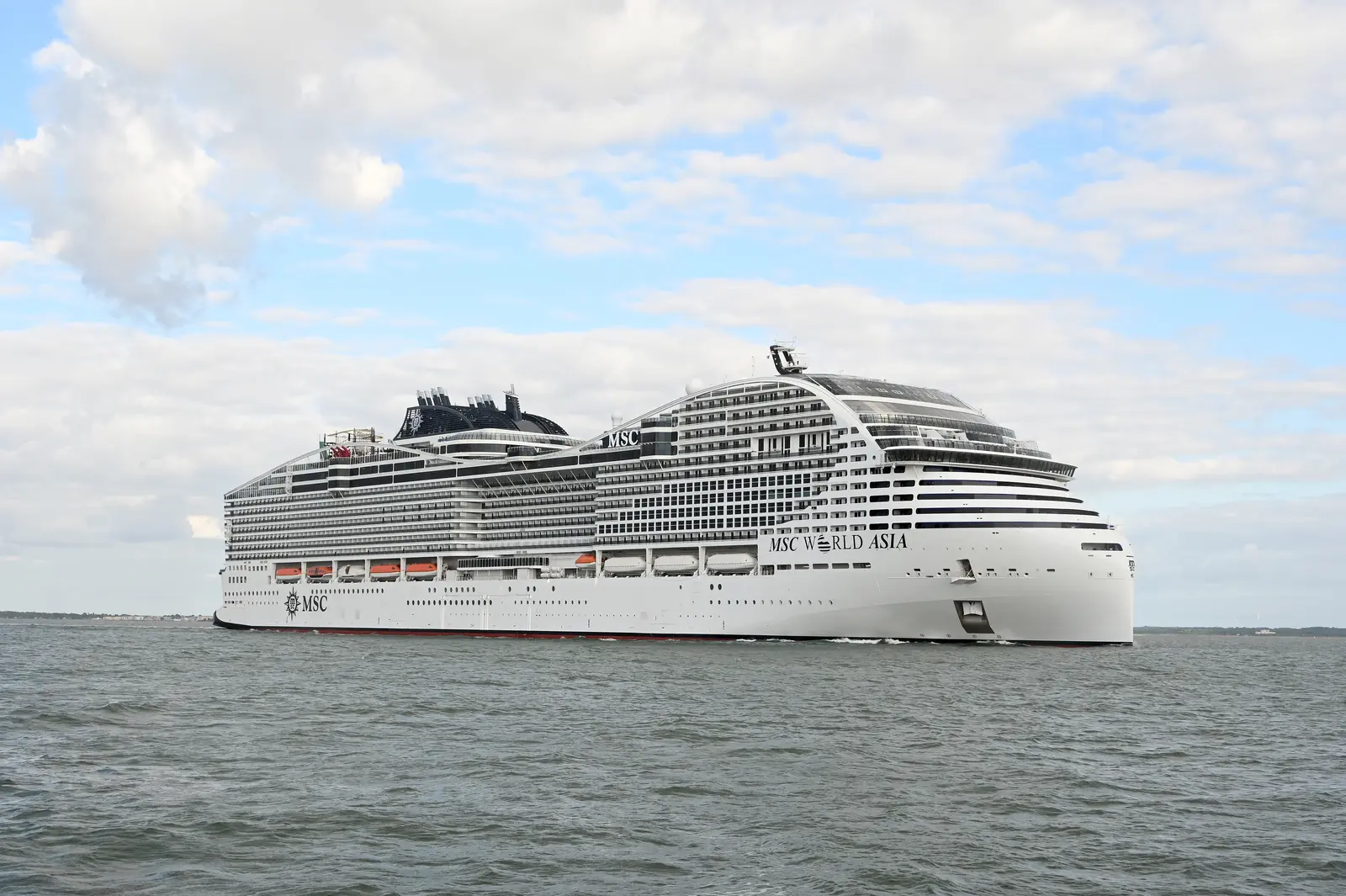 MSC World Asia Sets Sail as One of the World's Largest Cruise Ships
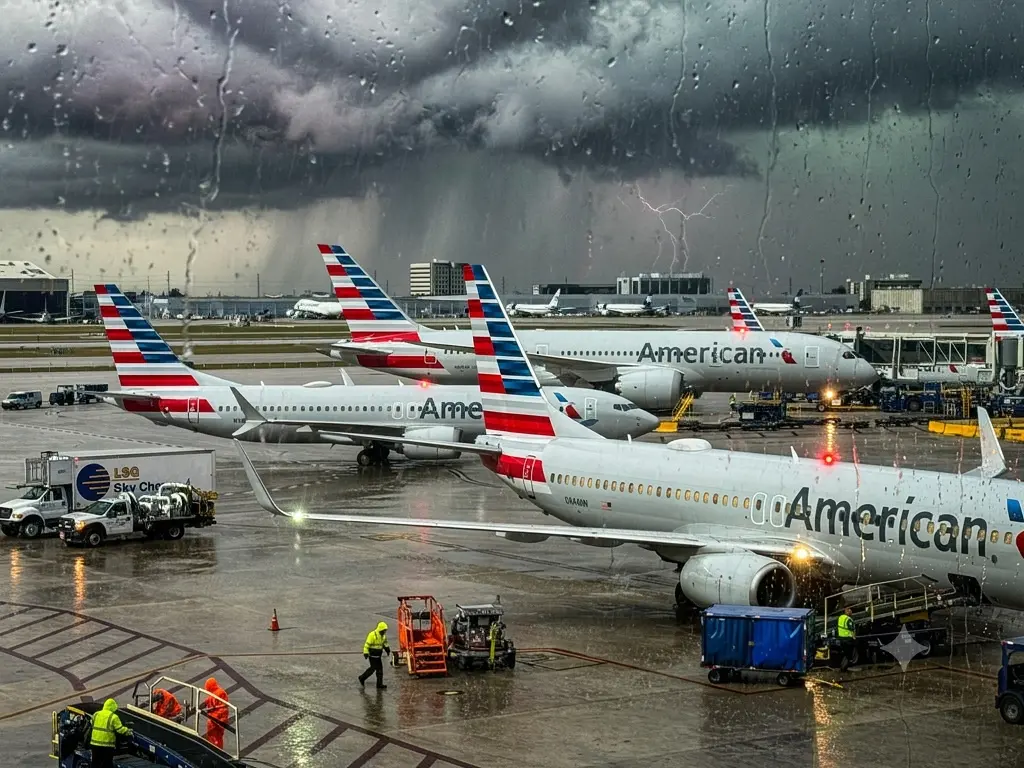 American Airlines Issues Travel Alert For Miami Airport Amid FAA Ground Stop Advisory
The shift to late‑fall travel is driven by several factors. First, the summer rush has pushed hotel rooms and rental cars to their limits, making it hard for families to find affordable options. Second, the island’s weather remains pleasant, with warm temperatures and gentle breezes that are ideal for beach activities. Finally, local businesses are eager to fill the off‑season, offering discounts on tours, dining, and rentals.
Is Late Fall the Ideal Time for Families?
Travelers report saving up to 30 percent on lodging by booking mid‑week stays in popular areas like Kihei and Lahaina. Vacation rentals that were once priced at $400 per night now average $250. Flights from the mainland also see a 20 percent reduction, with many carriers offering special promotions for late‑fall dates. These savings allow families to allocate more of their budget to experiences, such as snorkeling trips or sunset cruises, rather than just staying.
Local guides note that the quieter crowds mean shorter wait times at popular attractions. For example, the Road to Hana drive, which can take over six hours during peak season, now takes around four hours in the fall, as fewer cars line the winding roads. This extra time lets visitors enjoy scenic stops without the usual rush.
What Does This Mean for Maui’s Future Tourism?
Families with young children find late fall especially appealing. The cooler temperatures are comfortable for toddlers and teens alike, and the reduced humidity makes beach days more enjoyable. Parents can also take advantage of family‑friendly packages that bundle lodging, meals, and activities at a lower cost. While the island’s iconic beaches remain crowded, the overall atmosphere feels more relaxed and welcoming.
The trend is also supported by the island’s tourism board, which has launched a „Fall on Maui” campaign encouraging visitors to explore lesser‑known spots like Makena State Park and the Upcountry region. These areas offer lush landscapes and cultural sites that are often overlooked during the busy summer months.
As more travelers flock to Maui in late fall, the island’s economy may see a more balanced distribution of visitors throughout the year. This could lead to sustained job growth in hospitality and tourism sectors, while also reducing the environmental pressure that peaks in summer. However, the influx of budget travelers may also prompt local businesses to adjust pricing strategies, potentially raising costs for those who prefer the traditional high‑season experience.
Frequently Asked Questions
Overall, the late‑fall surge presents a win‑win for both visitors and Maui’s economy, offering affordable adventures without sacrificing the island’s natural beauty.
Q: When is the best time to book a flight to Maui for the lowest price? A: Booking in September or early October typically yields the lowest fares, as airlines offer promotions to fill seats after the summer rush.