Crowds Gather at Ancient Egyptian Temple for Rare Solar Alignment
Architectural Precision Behind the Light Show
International tourists and local residents flocked to a historic temple in southern Egypt on Thursday morning. Many had camped outside overnight to witness a rare celestial event. The sun aligns with the structure only twice a year. This specific occurrence happened at dawn on October 22. The gathering marked a significant moment for both history enthusiasts and astronomy lovers.
Latest news
 Aranui’s New Ship Arrives in the South Pacific
 Tunisia Prepares for Rare Solar Eclipse and Cultural Highlights
 Guam Visitors Bureau relaunches Håfa Adai Pledge with Ken Micronesia
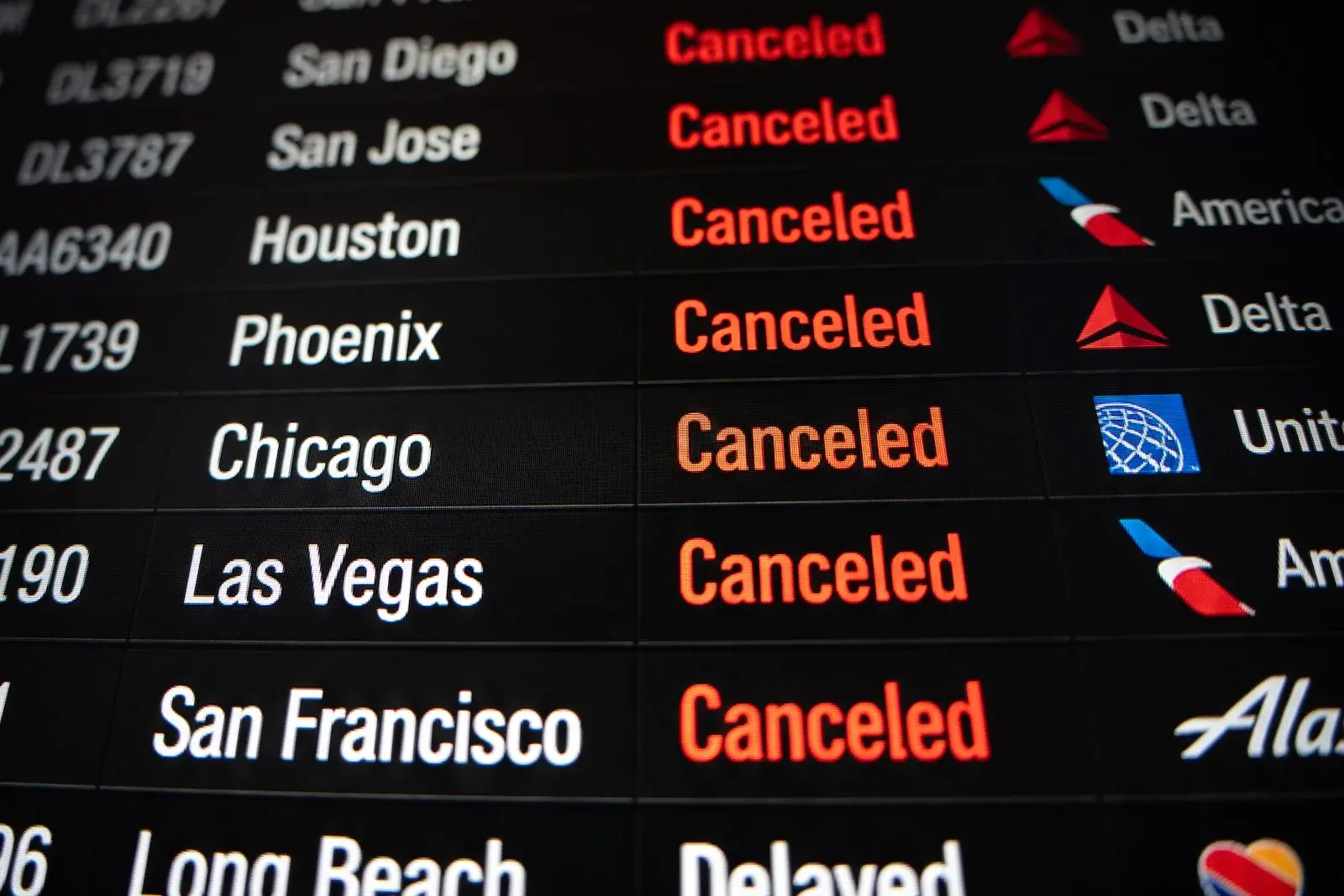 Air Travel Chaos: How TPG’s Experts Steer Travelers Through Flight Disruptions
The phenomenon involves sunlight penetrating deep into the temple’s sanctuary. This happens because of the precise architectural alignment of the building. The temple was constructed to track the movement of the sun throughout the year. For approximately twenty minutes, the interior space is illuminated by golden light. This brief window of visibility draws thousands of visitors annually. The event highlights the advanced engineering skills of ancient builders.
The temple in question is dedicated to Ramesses II, one of Egypt’s most powerful pharaohs. The dates of these solar alignments are not random. They correspond to specific historical moments in the ruler's life. Experts believe the October date marks the anniversary of his coronation. The February date likely commemorates his birthday. By orienting the temple correctly, ancient architects ensured the sun would hit the statue of the deity inside. This required complex calculations of solar paths without modern tools.
Why Do People Camp Overnight for This Event?
Visitors reported waiting in the cold pre-dawn hours to secure a good viewing spot. Some slept in tents or under blankets near the entrance. The atmosphere was electric as the first rays touched the stone walls. The light slowly crept inward, creating a dramatic visual effect. Witnesses described the experience as humbling and awe-inspiring. The contrast between the dark exterior and the glowing interior created a striking scene.
The popularity of this event has grown significantly over recent years. Social media posts often feature videos of the light entering the chamber. This digital exposure has turned the temple into a global landmark. However, the tradition predates social media by thousands of years. Locals have watched this event for generations. It serves as a living connection to their heritage. The annual ritual reinforces the community's bond with its past.
The limited duration of the event adds to its exclusivity. Once the sun moves past the alignment point, the light vanishes. This creates a sense of urgency among attendees. Many plan their trips months in advance. Hotels in the nearby town often fill up quickly during these weeks. The influx of visitors boosts the local economy considerably.
Balancing Preservation and Public Access
As tourism increases, authorities face challenges in managing the site. Large crowds can cause wear on the ancient stone floors. Noise levels can also disturb the solemn atmosphere of the monument. Officials now monitor visitor numbers closely on alignment days. Some areas may be restricted to protect delicate surfaces. The goal is to preserve the temple for future generations while sharing its wonder.
The successful observation of the event on Thursday demonstrated the enduring power of ancient design. The temple continues to function as intended after three millennia. This resilience speaks to the quality of its construction. As climate patterns shift, astronomers will continue to track these dates. The next major alignment will occur in February. Until then, the temple remains a beacon of historical accuracy and artistic achievement. Frequently Asked Questions When does the second solar alignment occur? The next alignment takes place on February 22 each year. This date is believed to coincide with the birthday of Pharaoh Ramesses II. Visitors should check local weather conditions before planning a trip.
How long does the illumination last? The light penetrates the inner chambers for roughly twenty minutes. After this brief period, the sun shifts away from the precise angle. The exact timing varies slightly depending on the year.