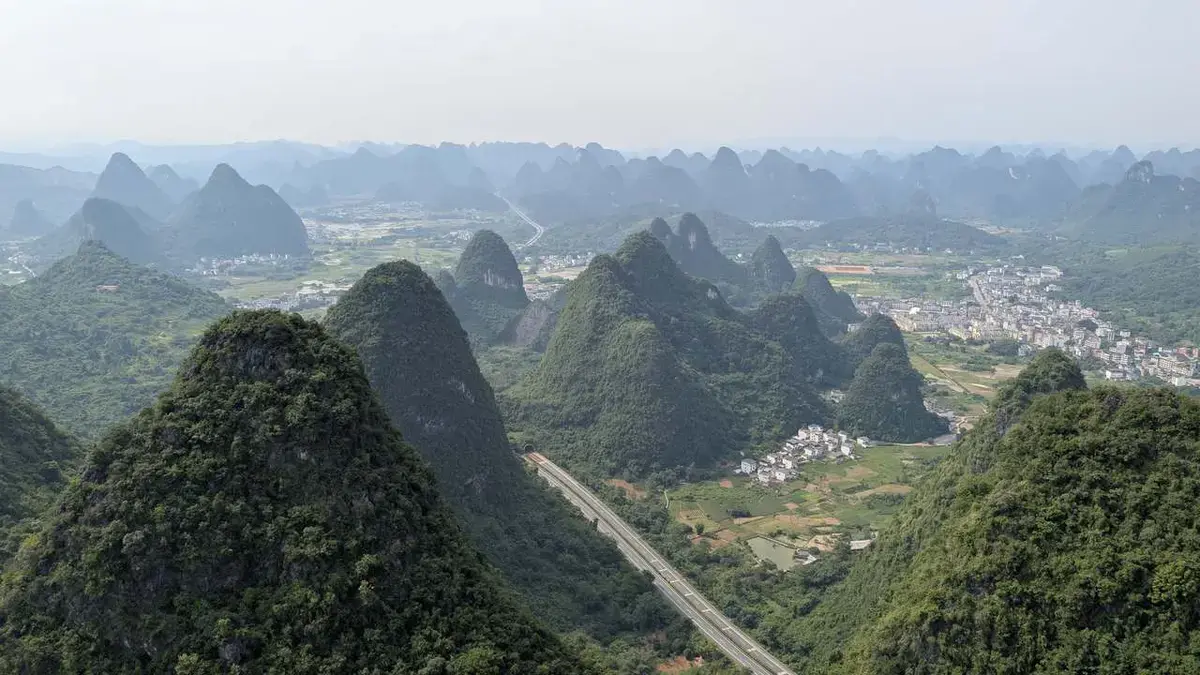
Guilin’s Misty Karst Landscape: A Tourist Treasure Still Overlooked
Why Guilin Remains Hidden From the Mainstream Tourist Map
Guilin, a city in southern China, is famed for its dramatic limestone peaks and winding river that have inspired centuries of Chinese poetry and art. Visitors often picture the iconic scenery in postcards, yet many travelers bypass the city, missing the full range of natural and cultural experiences it offers.
Latest news
 Delta Flight 2531 Forced to Declare Emergency After Passenger Disturbance
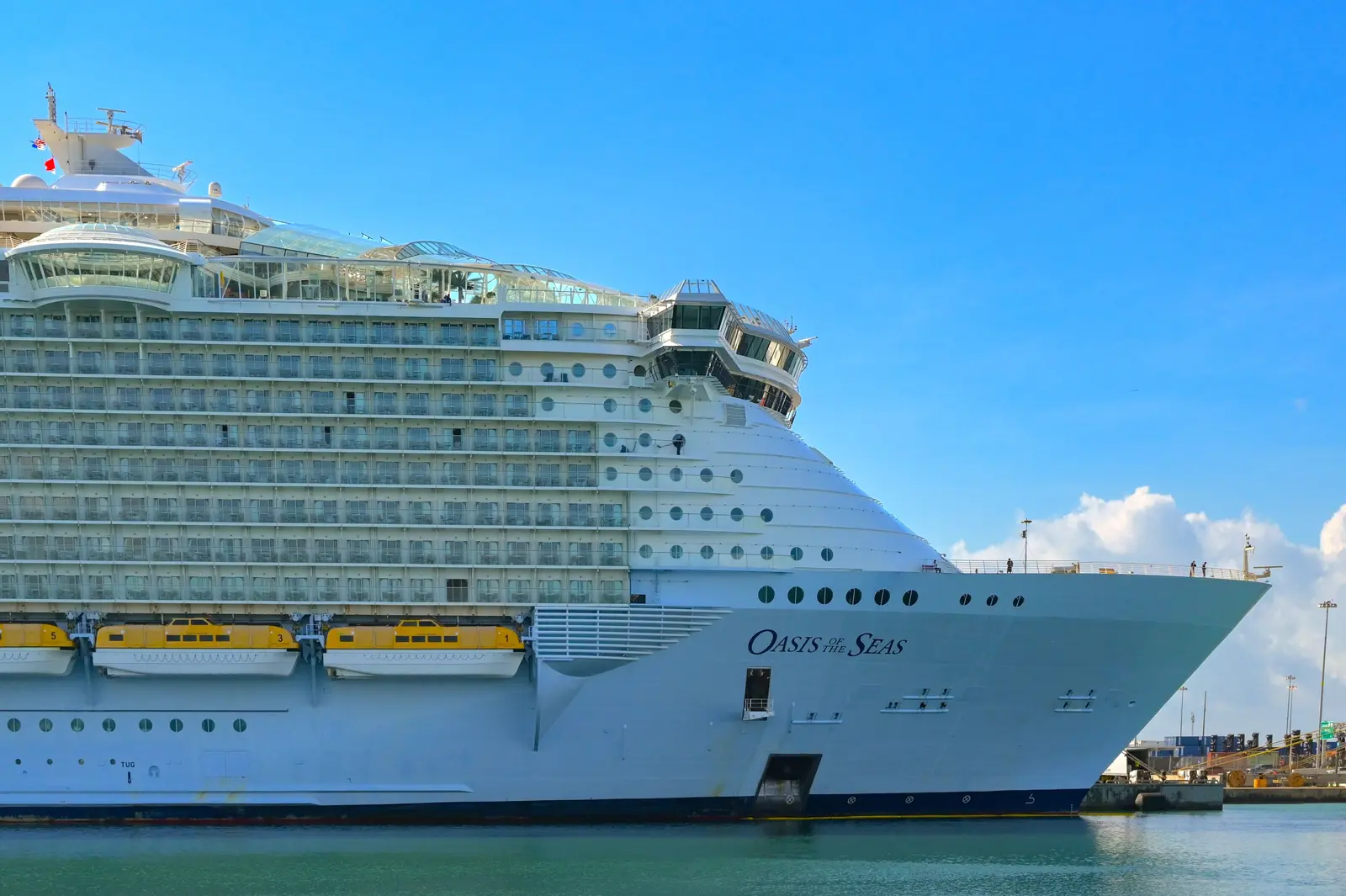 Royal Caribbean Cruise Diverts From Bahamas To Canada Amid Weather Concerns
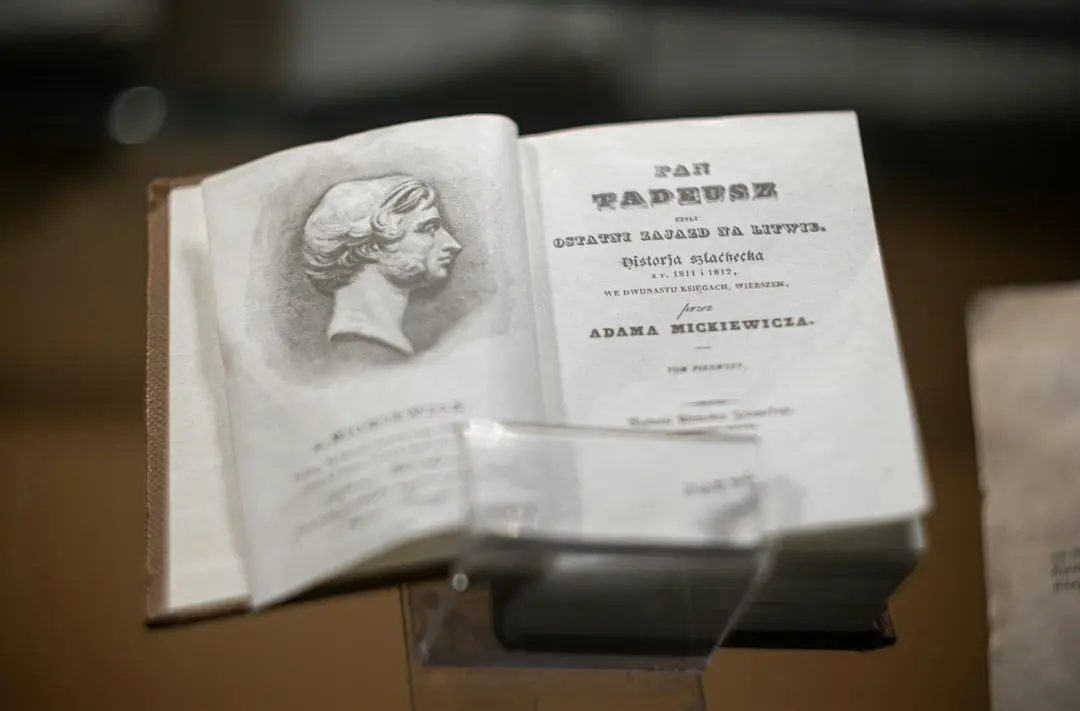 Chapel of Expiation: A Silent Witness to France’s Revolution
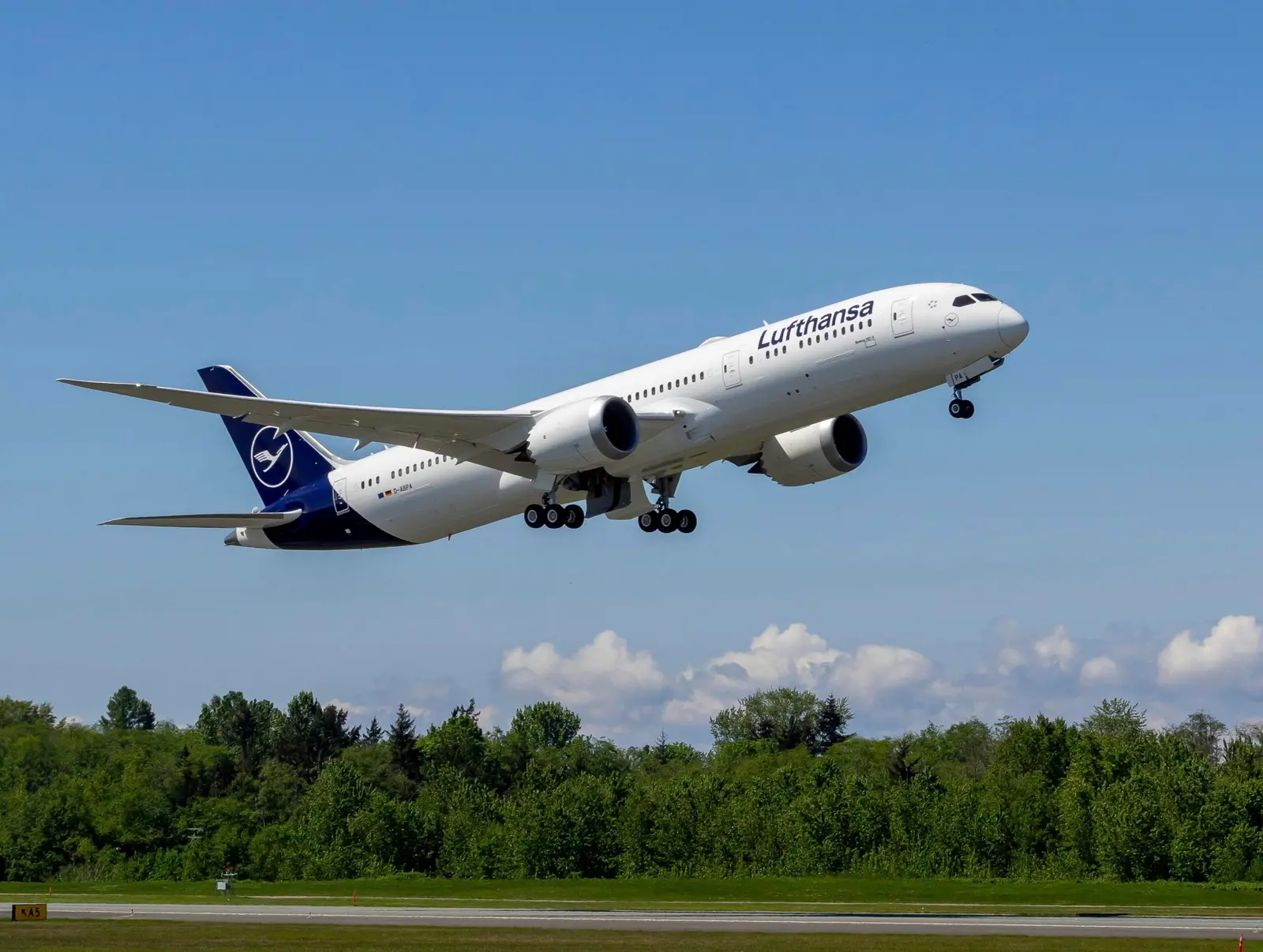 Lufthansa to Launch Columbus‑Frankfurt Direct Flights in 2027
The region’s fame stems from its striking karst formations, which rise like stone towers from the mist‑filled Li River. Despite its visual appeal, limited promotion and competition from nearby megacities keep Guilin off many itineraries. Local officials have begun to highlight lesser‑known villages, river cruises, and hiking routes to draw a more diverse crowd. Recent surveys show a 12 % rise in off‑season bookings after new marketing campaigns launched last year.
Travel agencies often prioritize megacities such as Beijing and Shanghai, assuming tourists prefer urban experiences. Guilin’s remote location, accessed mainly by a single airport and a few train lines, adds logistical hurdles. Moreover, many guidebooks still allocate only a single paragraph to the area, reinforcing the perception that a brief stop suffices.
Can Guilin’s Hidden Gems Become Mainstream Attractions?
Local guide Li Wei notes, „Most visitors think a quick river cruise covers Guilin, but the surrounding countryside holds villages where traditional customs thrive.” Data from the Guilin Tourism Board indicates that only 35 % of foreign visitors venture beyond the city center, leaving vast natural reserves under‑explored. Efforts to develop eco‑friendly tours and community‑based homestays aim to spread economic benefits while preserving the fragile environment.
The answer hinges on balancing exposure with sustainability. Increased visitor numbers could boost local incomes, but unchecked growth threatens the delicate karst ecosystem. Authorities have introduced visitor caps on popular sites like the Reed Flute Cave and mandated waste‑reduction measures for river cruises.
Experts suggest that targeted marketing—highlighting activities such as bamboo rafting, night photography workshops, and tea‑plantation tours—can attract niche travelers without overwhelming the region. „We want the right kind of tourists,” says tourism director Wang Min. „Those who respect the landscape and engage with local culture are our priority.” Early pilot programs show higher satisfaction scores among tourists who participate in immersive experiences rather than standard sightseeing.
As Guilin continues to refine its tourism strategy, the city stands at a crossroads. Successful promotion could transform it into a model for responsible travel, showcasing how natural beauty and cultural heritage coexist. Conversely, failure to manage growth may erode the very qualities that make Guilin unique. The coming years will reveal whether the mist‑shrouded peaks become a celebrated destination or remain a hidden gem for the few who seek them out.
Frequently Asked Questions
What is the best time of year to visit Guilin’s karst scenery? Late autumn, from October to November, offers clear skies and cooler temperatures, allowing the mist to linger over the limestone peaks for optimal photography.
How can travelers experience authentic local culture in Guilin? Staying in rural homestays, joining guided walks through minority villages, and sampling regional dishes such as river fish and rice noodles provide deeper cultural immersion.
Are there any restrictions for tourists visiting popular sites? Yes, the local government limits daily visitor numbers at major attractions like Reed Flute Cave and Yangshuo’s Moon Hill to protect the environment and ensure a quality experience.
Content written by Sophie Chen for travel-good.com editorial team, AI-assisted.