
Flying Into Russia: 30 Airlines Still Operating Over Russian Airspace
However, the absence of Western carriers has led to a noticeable shift in
In the wake of the 2022 invasion of Ukraine, most Western airlines have halted flights to Russia. Yet, as of early September 2026, 30 carriers—including Chinese, Turkish, and Gulf state airlines—continue to fly over Russian airspace, serving destinations across the country. The persistence of these routes reflects a mix of commercial interests, diplomatic ties, and differing national policies. While Western carriers face sanctions and political pressure, airlines from China, Turkey, and the Gulf region have maintained operations, citing economic benefits and strategic partnerships with Russian aviation authorities. Why Do Some Airlines Keep Flying Over Russian Airspace? Chinese carriers such as Air China and China Southern have long-standing agreements with Russian airlines, allowing them to operate flights that connect major Chinese hubs with Russian cities. These agreements provide mutual market access and revenue sharing, making the routes profitable despite geopolitical tensions.
Latest news
 Delta Flight 2531 Forced to Declare Emergency After Passenger Disturbance
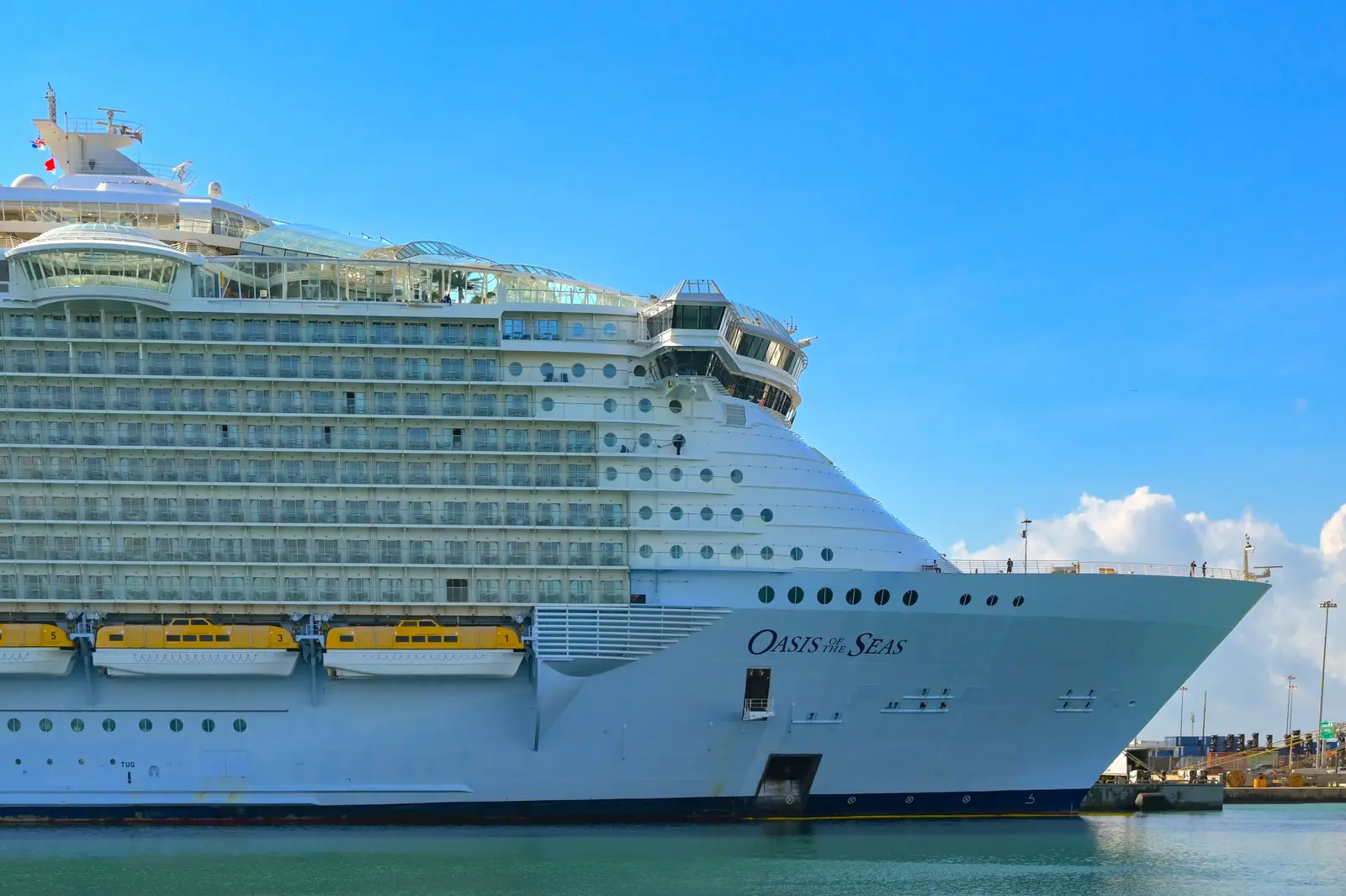 Royal Caribbean Cruise Diverts From Bahamas To Canada Amid Weather Concerns
 Chapel of Expiation: A Silent Witness to France’s Revolution
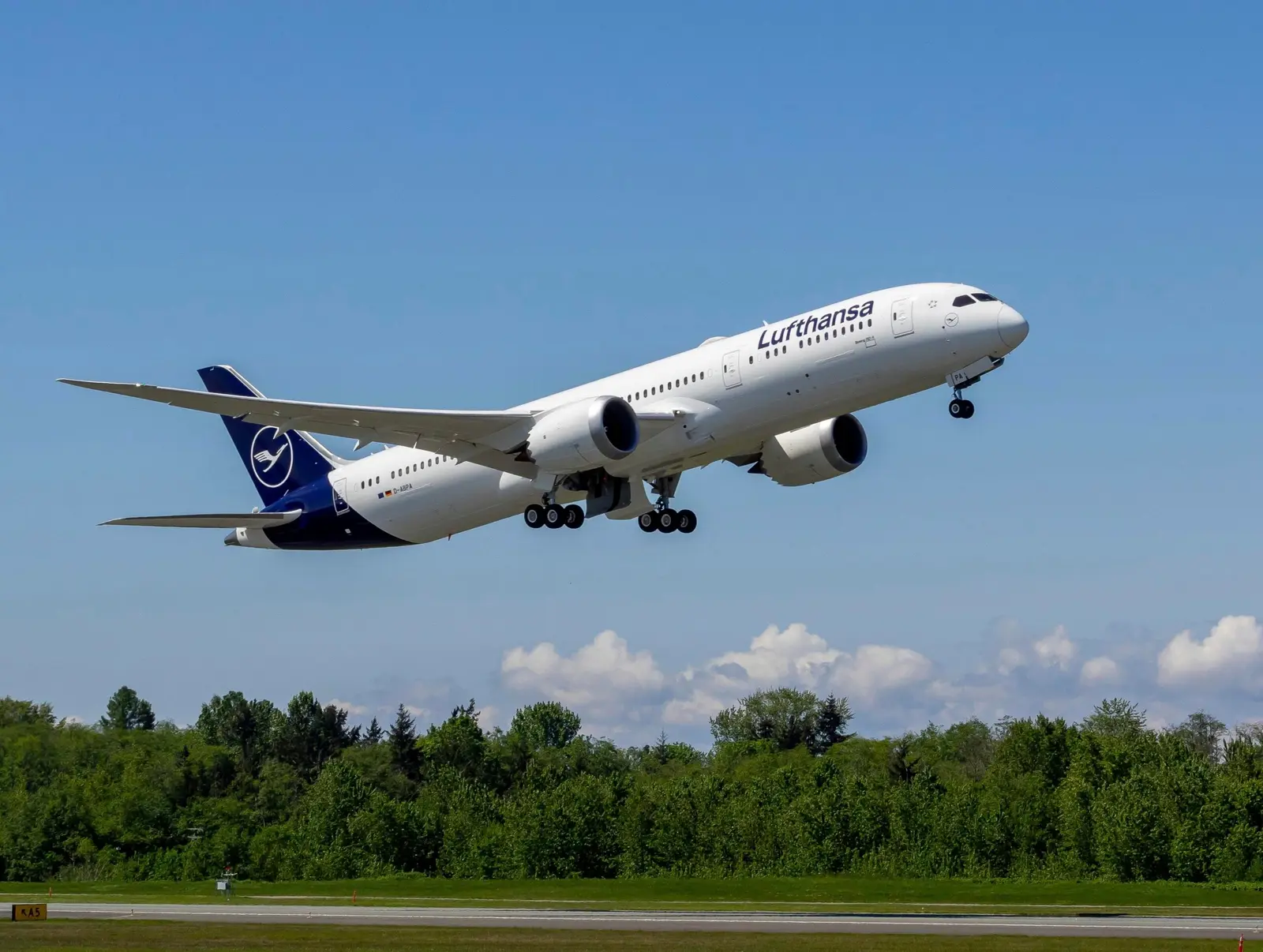 Lufthansa to Launch Columbus‑Frankfurt Direct Flights in 2027
Turkish Airlines, the flag carrier of Turkey, continues to serve Russian destinations, leveraging Turkey’s neutral stance and strong diplomatic relations with Moscow. The airline argues that maintaining service supports tourism and business travel between the two nations. Gulf carriers—including Emirates, Qatar Airways, and Etihad—have also kept their Russian routes active. They cite the strategic importance of Russia as a transit point between the Middle East and Europe, as well as the high demand from Russian passengers traveling to the Gulf for business and leisure. Are Western Airlines Completely Out of the Picture? Not entirely. While major Western carriers such as British Airways, Lufthansa, and Air France have suspended flights to Russia, some smaller European airlines still operate limited services. These airlines often rely on Russian airspace to connect to other European destinations, using Russia as a transit corridor.
Q: Which airlines are still operating in Russian airspace?
However, the absence of Western carriers has led to a noticeable shift in passenger traffic. Russian travelers now prefer airlines from China, Turkey, and the Gulf, which offer competitive fares and direct routes to popular destinations in Asia and the Middle East. The continued operation of these airlines also raises safety and regulatory concerns. Russian aviation authorities have reportedly tightened oversight, requiring foreign carriers to meet stricter safety standards and to provide detailed flight plans. What Does This Mean for Russian Aviation and Global Travel? The persistence of 30 foreign airlines in Russian airspace indicates that commercial aviation remains a complex, politically charged arena. For Russia, the continued presence of these carriers supports its aviation sector, ensuring that international flights remain available for Russian passengers and cargo. On the global stage, the situation underscores the fragmentation of the airline industry.
While Western airlines retreat from Russian routes, carriers from Asia and the Middle East step in, reshaping the network of international air travel. This shift may lead to new alliances and route structures that could persist even after geopolitical tensions ease. Frequently Asked Questions Q: Why have Western airlines stopped flying over Russia? A: Western carriers halted operations due to sanctions, political pressure, and safety concerns following Russia’s invasion of Ukraine.
Q: Which airlines are still operating in Russian airspace? A: Mainly Chinese, Turkish, and Gulf carriers such as Air China, Turkish Airlines, Emirates, Qatar Airways, and Etihad.
Content written by Amelia Stone for travel-good.com editorial team, AI-assisted.