
Historic Cape Bear Lighthouse Marks 145 Years Guiding Maritime Traffic
Engineering Heritage Meets Modern Preservation
Cape Bear Lighthouse on Prince Edward Island's eastern shore has stood sentinel since 1881, its beacon sweeping across the Gulf of St. Lawrence for up to 22 kilometers. The lighthouse, now a National Historic Site of Canada, continues its original mission of warning ships away from the island's treacherous coastline.
Latest news
 Delta Flight 2531 Forced to Declare Emergency After Passenger Disturbance
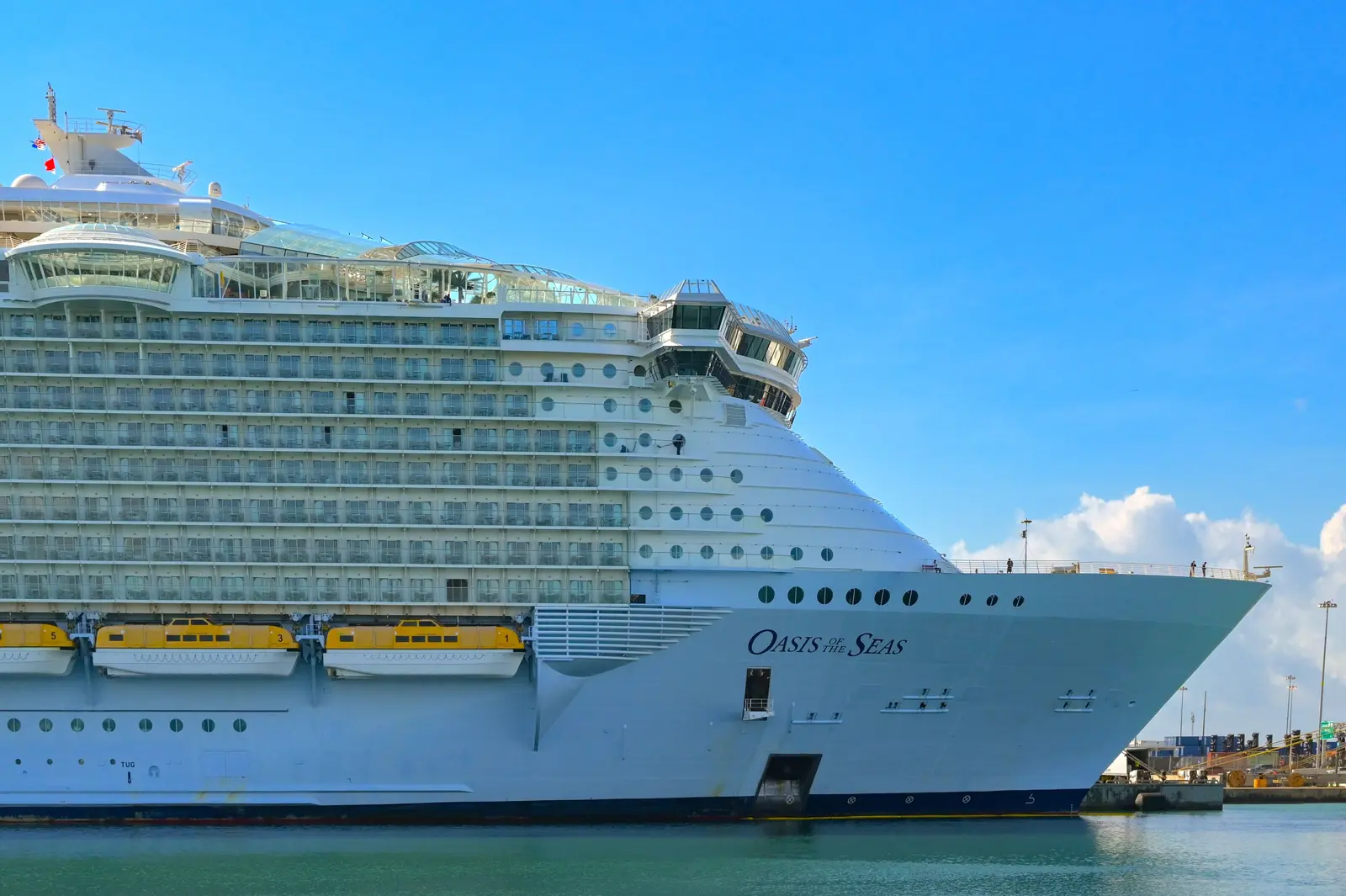 Royal Caribbean Cruise Diverts From Bahamas To Canada Amid Weather Concerns
 Chapel of Expiation: A Silent Witness to France’s Revolution
 Lufthansa to Launch Columbus‑Frankfurt Direct Flights in 2027
The structure represents one of Canada's earliest federal construction projects authorized under constitutional provisions for maritime safety. Built during the late 19th century, Cape Bear Lighthouse was constructed to address frequent shipwrecks along this stretch of coastline where hidden reefs and strong currents posed deadly threats to navigation.
The lighthouse's distinctive white tower rises 21 meters above sea level, featuring a fourth-order Fresnel lens installed in 1881 that remains operational today. Visitors can climb the 96-step spiral staircase to reach the lantern room, where the original cast-iron staircase and brass fixtures showcase Victorian-era craftsmanship rarely seen in modern construction.
What Makes This Coastal Path Special?
Adjacent to the lighthouse, the Marconi wireless station buildings tell another chapter of communication history. These structures housed early 20th-century radio equipment that enabled transatlantic messaging, connecting remote coastal communities to the wider world through cutting-edge technology of the era.
Beyond the lighthouse grounds, a hidden coastal trail leads hikers past the island's famous stone arch formation. This rugged path follows ancient Acadian shoreline cliffs that drop dramatically toward the water, offering views of wave-sculpted rock formations and diverse marine ecosystems.
The trail's most striking feature emerges near the cliff's edge, where wind-carved limestone creates natural arches and tunnels. Hikers often spot seals basking on offshore rocks and seabirds diving for fish in the nutrient-rich waters below.
Looking Toward the Future
Today, Cape Bear Lighthouse operates seasonally from May through October, welcoming thousands of visitors annually. Parks Canada maintains both the lighthouse and surrounding trails, ensuring this important piece of maritime heritage remains accessible while protecting the sensitive coastal environment.
Climate change poses new challenges as rising sea levels and intensified storm surges threaten the historic structures. Conservation efforts now focus on reinforcing foundations while preserving the authentic character that makes this site so compelling.
Frequently Asked Questions
When can visitors tour Cape Bear Lighthouse? The lighthouse opens daily from May 15 to October 31, with guided tours available throughout the summer months.
How long does the coastal hike take? The full loop trail around the lighthouse property takes approximately 45 minutes, while the extended coastal path to the stone arch requires 2-3 hours round trip.
Are there facilities at the site? Yes, the lighthouse grounds include parking, restrooms, and a small gift shop selling local crafts and historical information.
Content written by Amelia Stone for travel-good.com editorial team, AI-assisted.