Qatar Airways Reaches Venezuela, Qantas Bets on Cape Town, and Emirates Faces a Profit Squeeze: Aviation s Week of Big Moves and Bigger Questions
One of the most notable developments
In the week from 1 to 7 November 2026, the aviation industry made a number of major strategic moves and fundamental questions despite persistent geopolitical difficulties, rising fuel costs and operational uncertainties. This period highlighted unshakable ambition in the aviation sector, although a report by the dubious Dubai airline Emirates reported a sharp decline in profits, stressing that increased flight volumes do not automatically guarantee an improvement in the financial situation. Globally, there have been significant developments for tourist destinations, although turning these new air links into sustainable business is a constant challenge.
Latest news
 Every Nonstop From Philadelphia Airports to Florida This Winter, From Trenton to Wilmington
 Royal Caribbean's Legend of the Seas arrives in the U.S. for the first time
 Six hours of sleep on an eight-hour flight: SAS Business Class Delivered
 American Airlines Introduces Michelin‑Starred Dining Experiences for AAdvantage Members Starting 2027
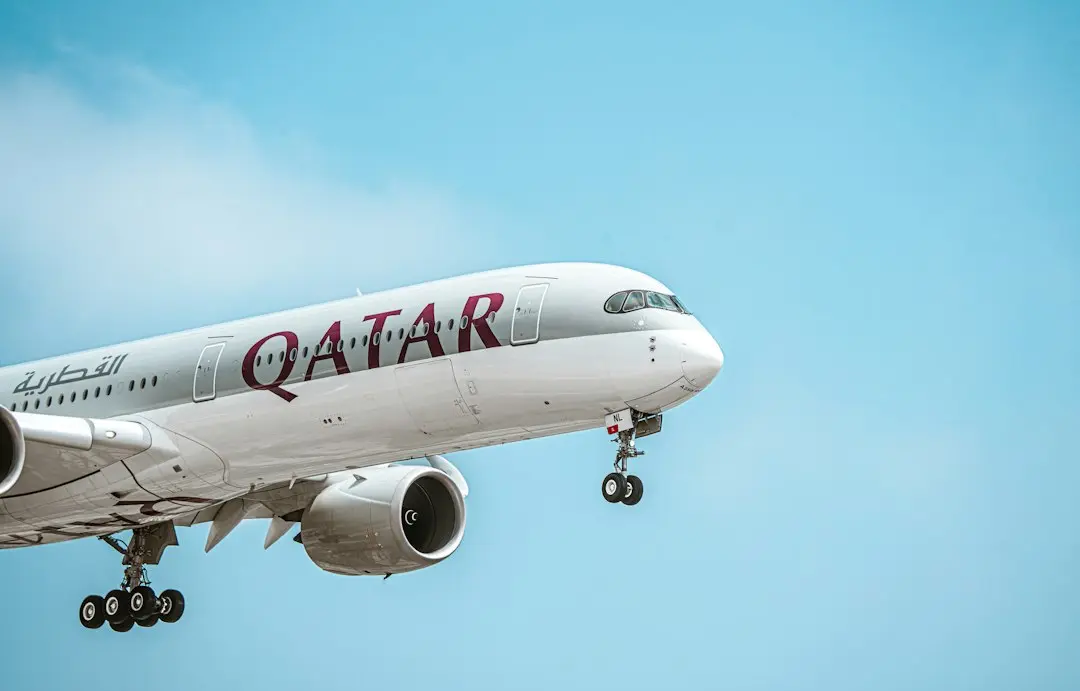
One of the most notable developments in international routes was the announcement by Qatar Airways, which scheduled the introduction, from 4 November, of a service to operate twice a week on the Doha-Bogotá-Caracas-Doha route. This service uses Boeing 777-200LR aircraft and establishes a new connection between Hamad International Airport, El Dorado International Airport in Colombia and Simón Bolívar International Airport in Venezuela. According to an analysis by Aviation Week , this operation represents Qatar Airways' entry into the Venezuelan market and creates an unprecedented direct link between the Middle East region and both Bogotá and Caracas. For Colombia, this expansion could optimise access to markets in Asia, the Persian Gulf and the entire Qatar Airways network. The potential for Venezuela is much more substantial given that international air connectivity has been slowed by political, economic and operational obstacles.
However, the presence of an international airline does not eliminate these fundamental challenges.
The long-term success of this route depends essentially on passenger demand, connection traffic, freight transport opportunities and operational viability. This move demonstrates that Gulf carriers continue to identify opportunities outside their dedicated markets in Europe, Asia and North America, focusing on Latin America.
As Qatar Airways expands its presence in Latin America, Qantas has confirmed its intention to include Cape Town in its future direct route plan. Australian customers planning their holidays in South Africa received encouraging news on 6 November. Qantas has announced a direct seasonal connection between Sydney Kingsford Smith International Airport and Cape Town International Airport, scheduled to start on 19 October 2027. The company plans three weekly flights with Boeing 787-9 Dreamliner aircraft until 24 March 2028. In view of Cape Town, the potential benefits go beyond mere airport accessibility; hotels, safari operators, restaurants, wineries and regional tourism businesses could benefit from additional visitors from Australia. For Australian citizens with businesses or family affiliations in South Africa, this line would eliminate the need to make connections through Johannesburg or other international centres.
On the other hand, American Airlines has
However, it is crucial to note that this is an announced route for the future, not an ongoing operation. The actual commercial test will occur when Qantas will have to constantly fill its aircraft over an extended intercontinental sector. While the attractiveness of Cape Town is obvious, the question remains whether the seasonal demand of passengers can economically support the benefits of direct flights.
On the other hand, American Airlines has resumed daily direct services between Miami International Airport and Cap-Haïtien International Airport as of 1 November. This flight, carried out with Boeing 737 aircraft, marks the American return to Haiti and is the company's 100th destination in the Caribbean and Latin America regions, according to the company's statements. For business and family travellers, the re-establishment of a direct link to northern Haiti is of great importance. For Cap-Haïtien, this can also support tourism and local trade. It is essential to state that American Airlines serves Cap-Haïtien, not Port-au-Prince. In addition, the Commission considers that the airport's capacity to provide services to other airlines is not sufficient to ensure that the airport's capacity to provide services to other airlines is adequate. However, reconnecting communities through selected air services can bring practical benefits even in a difficult macroeconomic context.
In Europe, the German airline Condor made a noteworthy announcement on November 4. The leisure company has launched a daily Frankfurt-Abu Dhabi route with connecting options to Bangkok, adding an alternative to the existing Frankfurt-Bangkok direct flights. That one.